Hazel McCallion LRT struggled with liquidity, design and ‘quality of work performed’
Briefings obtained by Global News show that, throughout 2025, Metrolinx and the Ford government were worried the light rail build was 'experiencing a number of issues.'
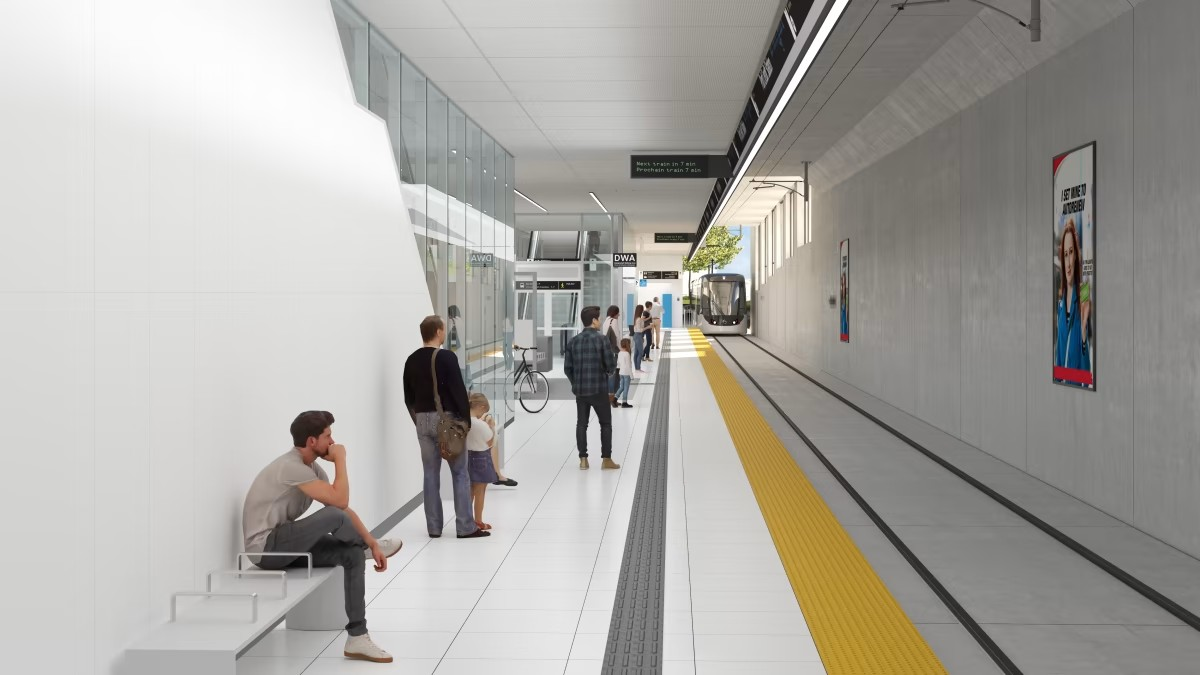
Ontario’s transit agency, Metrolinx, has been grappling with a host of challenges while trying to complete the Hazel McCallion LRT, an 18-kilometre, 19-stop light rail route between Port Credit and Steeles Avenue. Internal documents obtained by Global News reveal that the project, which began in 2020 and was initially slated for completion in 2024, has fallen four years behind schedule and is now expected to finish in 2028.
The issues plaguing the construction of the Hazel McCallion LRT are manifold, encompassing liquidity concerns, design problems, and difficulties in obtaining work permits. These challenges were detailed in a briefing to government officials, which cited "issues related to performance with its Project Co, Mobilinx, that have led to significant delays to the project schedule."
The March 2025 briefing further elaborated on the hurdles, noting "issues related to quality of work performed, lost productivity due to liquidity challenges, lack of progress on design, and resulting inability to obtain necessary work permits."
Metrolinx and the Ford government grew increasingly concerned about the project’s trajectory, with officials warning that the Hazel McCallion LRT might necessitate a shift in strategy or the adoption of alternative commercial and delivery approaches. Metrolinx spokesperson stated that construction progress was ongoing, with track work already completed at 46 out of 55 intersections.
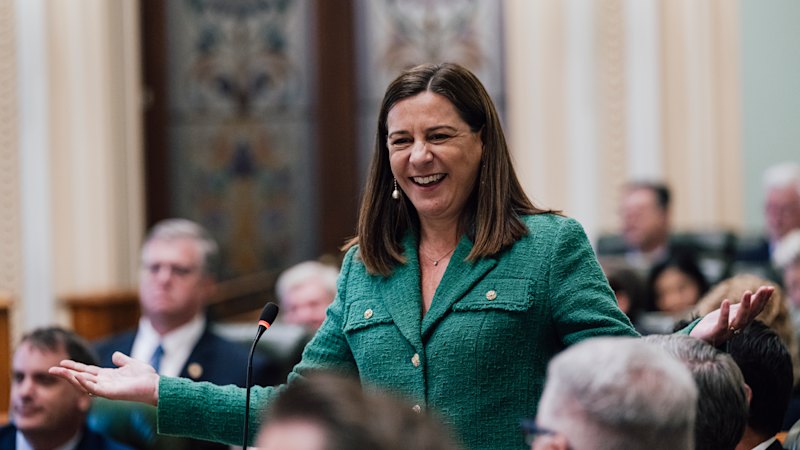
The management of the Hazel McCallion LRT project has drawn criticism, with NDP MPP Tom Rakocevic labeling it as "mismanaged." Rakocevic highlighted the design issues and permitting difficulties, questioning the project’s delays when it was expected to be finished two years ago. Ontario’s Premier’s government has acknowledged the need for a restructuring of the $4.6-billion contract signed with the consortium Mobilinx in 2019, which was initially a single P3 contract covering design, construction, operation, and maintenance of the light rail line.
In a routine update in July, Metrolinx disclosed that the contract with Mobilinx had been rewritten and divided into two agreements: one for building the route and the other for maintaining and operating the line, both with the same consortium. Alliance contracts, which allow for greater flexibility in payment releases to private-sector companies, were deemed a more suitable option compared to the traditional P3 contracts.
While Metrolinx has not directly confirmed that the restructuring was prompted by the consortium's ongoing issues, they emphasized that the Alliance model enhances accountability, risk-sharing, and decision-making speeds. Rakocevic urged for greater transparency from Metrolinx regarding the reconstruction of the contract and the project's challenges, stating that taxpayers should have more insight into the decision-making process behind such delays and oversights.
Written by urgent.news from Global News's reporting — not their text. Machine-written — may contain errors; check the original before relying on it.