FTC, 22 states sue Amazon over e-commerce advertising practices
The U.S. Federal Trade Commission and 22 state attorneys general today sued Amazon.com Inc. over its practices in the online advertising market. The e-commerce giant pushed back against the complaint in a lengthy statement. Amazon entered the online advertising market in 2008 with a service called Product Ads. It enabled merchants to promote their products […] The post FTC, 22 states sue Amazon…
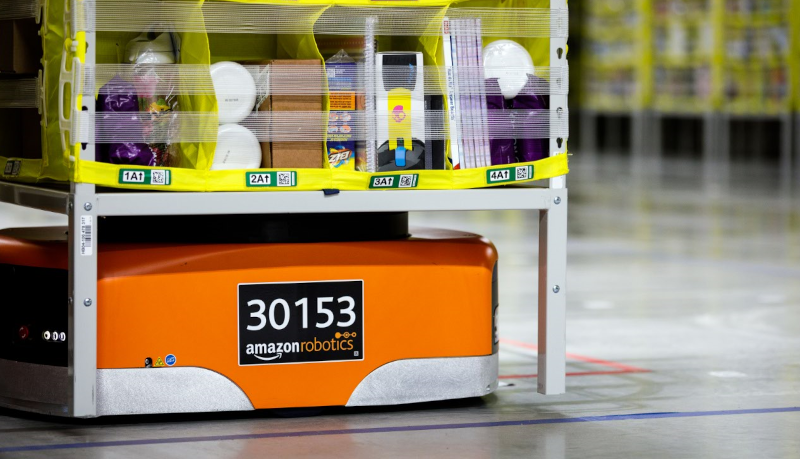
The U.S. Federal Trade Commission and 22 state attorneys general have filed a lawsuit against Amazon.com Inc. alleging the company's practices in the online advertising market. Amazon entered the advertising market in 2008 with Product Ads, a service that enabled merchants to promote their products in Amazon's search engine. Today, Amazon is the world's third-largest online advertising provider, behind Google and Meta Platforms.
The FTC's lawsuit targets three of Amazon's advertising offerings: Sponsored Products, Sponsored Brands, and Sponsored Display. The complaint focuses on the latter, which distributes ads across Amazon properties and external websites. Merchants compete for ad space through an auction, which can take various forms. According to the FTC, Amazon changed the auction structure for Sponsored Display without notifying merchants, leading to increased ad costs for about 1.2 million U.S. advertisers over the past seven years.
The Federal Trade Commission alleges that Amazon initially sold ad space using a second-price auction model, where the highest bidder wins but pays only slightly more than the second-highest bidder. In 2019, the agency claims Amazon quietly changed the auction to a first-price model, where the highest bidder pays the full amount. This change, the FTC argues, made it more challenging for bidders to avoid excessive ad spending, as tactics that worked under the second-price model did not carry over to the first-price auction.
The complaint also alleges that Amazon used a "soft reserve" system to place fake bids in ad auctions, artificially inflating prices. FTC Chair Andrew Ferguson stated that these higher costs were largely passed on to American consumers. Amazon responded by disputing the claims, stating that the average cost-per-click for its Sponsored Products ads remained flat between 2019 and 2024 when adjusted for inflation.
The company also objected to the allegations regarding the soft reserve system, asserting that it had provided advertisers with guidance about its auctions and pricing. Amazon looks forward to presenting its case in court.
Written by urgent.news from SiliconANGLE's reporting — not their text. Machine-written — may contain errors; check the original before relying on it.