Fox-faced and fruit-loving: What makes this Indian bat so unique
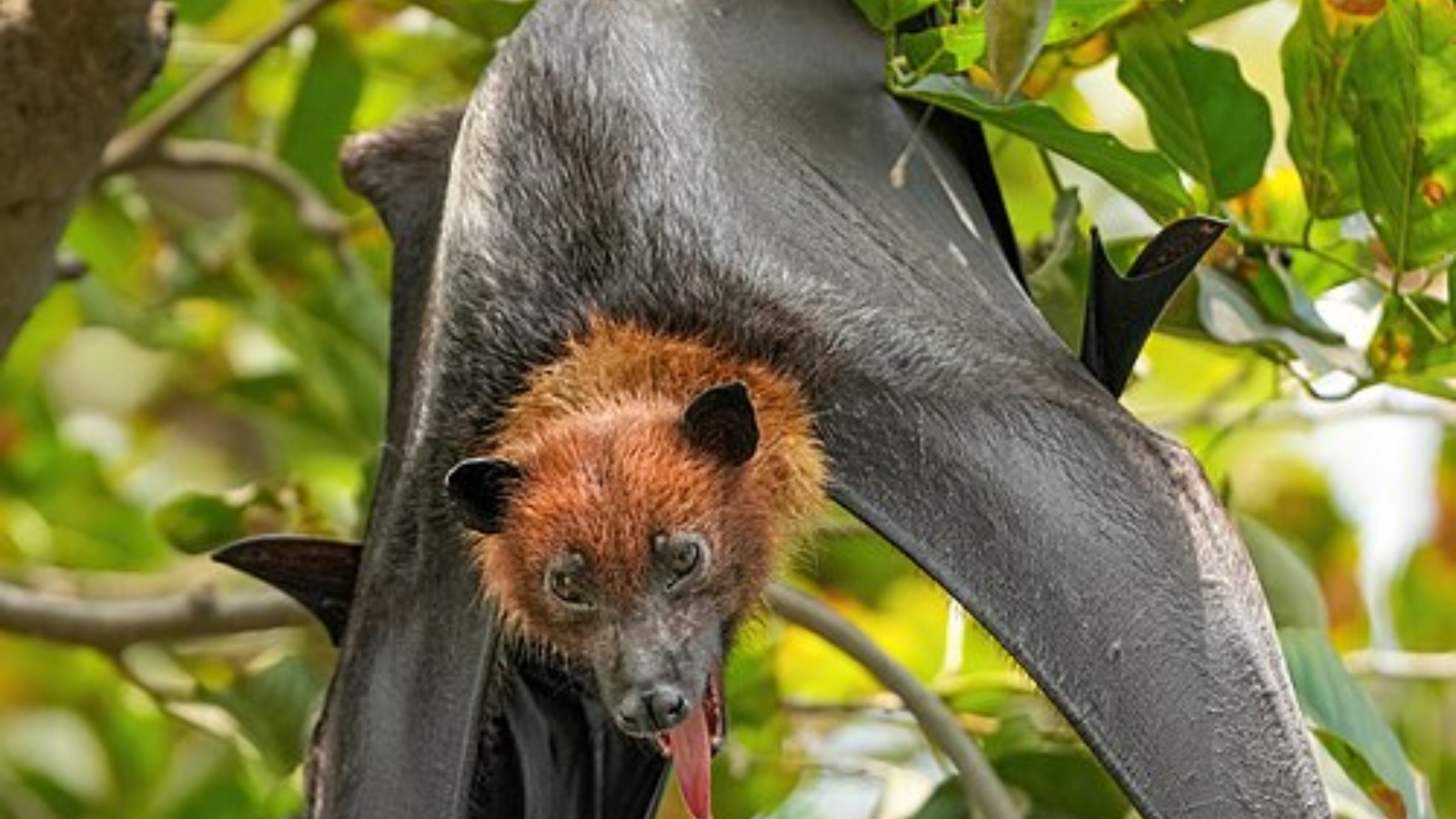
The Indian flying fox is a large bat species found in India, easily recognized by its fox-like face, large eyes, and pointed ears. Unlike most bats that feed on insects, this species is primarily a fruit eater, playing a crucial role in seed propagation by carrying seeds over long distances as it consumes fruits. Wildlife expert Indrajit Ghorpade highlights the bat's significance in vegetation regeneration and spread.
Ghorpade explains that the Indian flying fox's name stems from its appearance, with ears resembling those of a fox. Its distinct look sets it apart from smaller insect-eating bats commonly found. However, one notable difference between this fruit-eating bat and others is its diet. Ghorpade points out that the Indian flying fox feeds solely on horticultural crops and fruits, sometimes causing issues with farmers and orchard owners.
Nocturnal by nature, the Indian flying fox is active at night, resting during the day and hanging upside down in large colonies on suitable trees. Despite their large roosts, these nocturnal habits often prevent visible crop damage during feeding. Nevertheless, the species faces declines due to the loss of large trees for roosting, habitat disturbance, hunting for supposed medicinal properties, and use as an aphrodisiac.
Their presence near urban areas also brings conflicts, as they can be noisy and messy, while their daytime roosting makes them vulnerable to disturbance.
Written by urgent.news from The Indian Express - Lifestyle's reporting — not their text. Machine-written — may contain errors; check the original before relying on it.
This story
This is one outlet's version. Read the fullest account.
- Fox-faced and fruit-loving: What makes this Indian bat so unique indianexpress.com