The truth about masala dosa: When it is healthy and when it turns into junk food
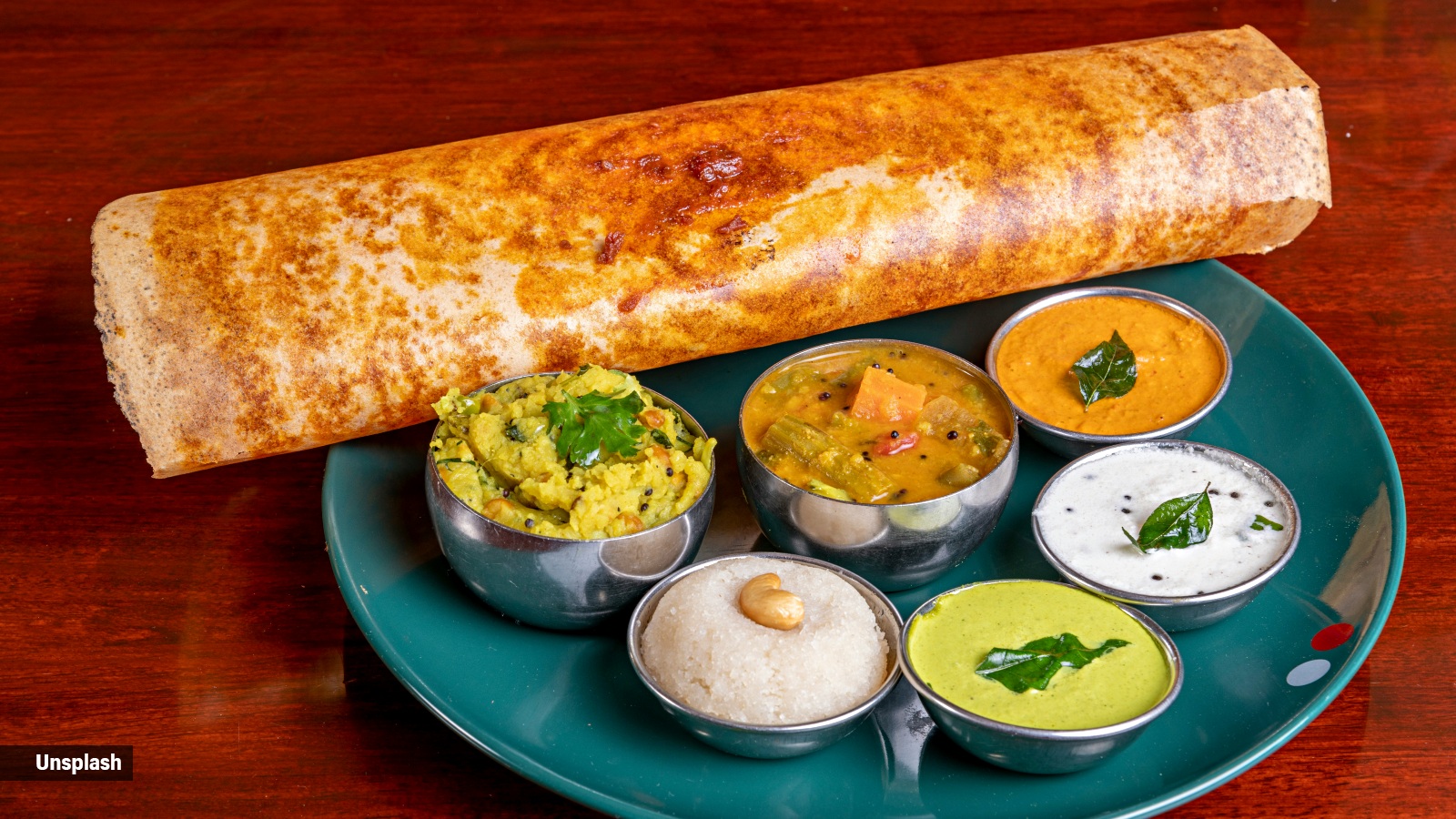
Masala dosa is a beloved Indian breakfast dish enjoyed by many across the country. However, the question of whether it can be considered healthy or fall into the category of junk food is a common one in today's health-conscious world. According to dietician Drishya Ale from Paras Health in Gurgaon, the healthiness of masala dosa hinges more on preparation methods than the dish itself.
"Masala dosa is not inherently junk food. It is a traditional Indian dish made from fermented rice and lentil batter, providing carbohydrates, protein, and probiotics from fermentation," Dr. Ale explains. The fermentation not only enhances digestibility but also retains nutrients. The potato filling adds energy and certain vitamins.
When enjoyed in moderation alongside balanced accompaniments like sambar and coconut chutney, masala dosa can be part of a healthy diet rather than junk food. However, the health impact depends on several factors. Excessive oil, butter, or ghee in the preparation process can significantly raise the calorie and fat content. Similarly, larger portion sizes or consuming multiple servings can lead to a substantial increase in calorie intake.
Conversely, healthier side dishes such as sambar offer added protein and fiber, while using healthier cooking fats can mitigate negative effects. The cooking method also plays a crucial role. Dosa prepared with minimal oil and filled with lightly sautéed vegetables offers a healthier option compared to ones cooked with large amounts of butter or oil.
Adding vegetables like peas, carrots, or onions to the filling further enhances its nutritional profile. Hygiene and ingredient quality are also important considerations, especially when purchasing dosas from roadside stalls or restaurants. These establishments may use higher amounts of oil or less fresh ingredients, potentially increasing calorie and fat content.
While an occasional indulgence in a greasy dosa from outside is generally acceptable, frequent consumption of heavily fried versions could contribute to excessive calorie intake. For most healthy individuals, enjoying masala dosa as part of a balanced diet—once or twice a week—can still be a healthy choice. To maximize its benefits, pairing it with a protein-rich side like sambar, keeping portion sizes moderate, and limiting added fats are recommended. Remember, always consult a healthcare professional before making any dietary changes.
Written by urgent.news from The Indian Express's reporting — not their text. Machine-written — may contain errors; check the original before relying on it.
This story
This is one outlet's version. Read the fullest account.