Superconductors finally prove quantum imaging effect predicted two decades ago
The University of Illinois Chicago’s Dirk Morr proposed a way to create high-resolution quantum images using superconductors two decades ago. A new experiment by researchers in Germany, supported by Morr’s theoretical model, has now produced quantum imaging similar to what he predicted, providing experimental confirmation of his earlier work.
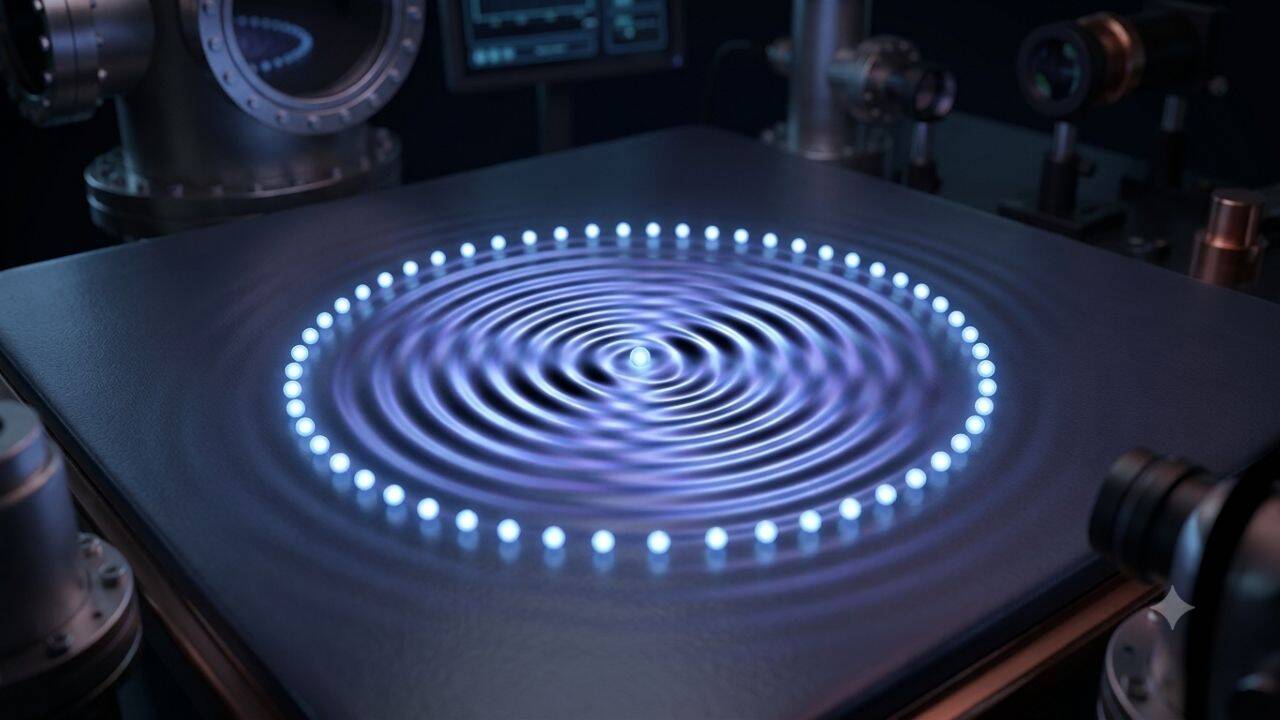
A quantum imaging strategy utilizing superconductors has provided experimental validation for a two-decade-old theoretical concept proposed by Dirk Morr, a physics professor at the University of Illinois Chicago (UIC). Morr's innovative approach involves using superconductors as minuscule projectors to create high-resolution images of atoms without directly disturbing them, a process often hindered in the quantum world where observation can alter properties.
The groundbreaking findings, published in Nature Physics, showcase the potential for studying atoms without interference, a challenge in quantum mechanics where observation inherently changes the observed object. Morr's theoretical work, which first surfaced two decades ago, has finally been substantiated by recent experiments conducted by his colleagues at the University of Hamburg.
The study marks a significant milestone in physics, exemplifying the fruitful collaboration between theoretical and experimental research across international borders.
Written by urgent.news from Times of India's reporting — not their text. Machine-written — may contain errors; check the original before relying on it.