Reviving Kuala Lumpur: can Malaysia modernise without pricing out its past?
A yellowing receipt, framed behind glass near the entrance of Abdul Razak Gold House, records an address that no longer officially exists: “63 Ampang Street, Kuala Lumpur (Malaya)”. The shop’s modern glass frontage, polished counters and gleaming bullion cases give little away about its history. But step inside and that simple receipt serves as a small window onto pre-independence Malaysia. For…
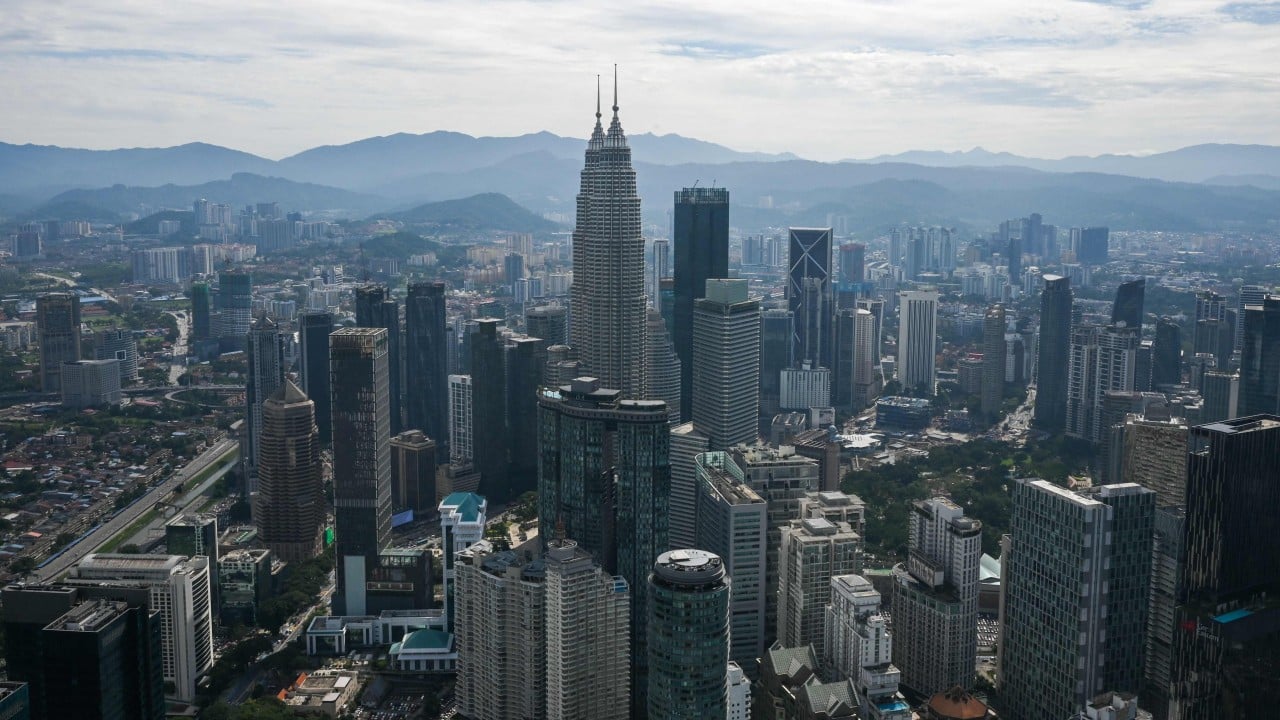
Kuala Lumpur, once a humble trading post at the confluence of the Klang and Gombak rivers, now boasts a soaring skyline of glass and steel. Yet beneath its modern façade lies the city’s historic heart, where old shophouses, temples and markets still thrum with life. The challenge facing the metropolis is how to preserve its past while embracing progress.
Abdul Razak Gold House, a family-run business, exemplifies this balancing act. Founded six decades ago as a modest goldsmith’s counter, it has evolved into a bright jewellery store and bullion trader. Today, it stands amidst skyscrapers and overhead train tracks, as many of the businesses it once served have vanished. The proprietor, 37-year-old Mohd Razalie Abdul Rasul, acknowledges the need for modernization but is wary of losing the authenticity that drew customers in the first place.
His approach mirrors that of Warisan KL, a heritage-led regeneration programme aimed at restoring landmarks and upgrading public spaces. Its goal is to turn heritage into an economic asset without alienating the traders that give the district its character. However, not everyone shares this optimism. Azry Bruce Aziz, a local history researcher, warns against "heritage for show," arguing that true authenticity stems from the function of a place, not its appearance.
He fears that top-down planning prioritizing aesthetics over community needs will only drive out small businesses with rising property values, transforming heritage into a mere "pretty backdrop for weekend photos." Despite the concerns, early signs of success are encouraging. Pride, a government entity tasked with revitalizing urban transport, reports that its pilot projects in transport hubs have generated over 624,000 social media impressions, while its digital heritage trails have drawn over 22,600 engagements.
The key lies in ensuring that improvements enhance the community's everyday environment without displacing the businesses that breathe life into the district.
Written by urgent.news from South China Morning Post's reporting — not their text. Machine-written — may contain errors; check the original before relying on it.
This story
This is one outlet's version. Read the fullest account.