Poll win on sprawling social base, BJP walks tightrope on caste
In a recent political development, the Bharatiya Janata Party (BJP) finds itself navigating a delicate balance between addressing its core "upper caste" voter base and maintaining the support of multiple Other Backward Class (OBC) and Dalit and tribal groups, where reservation plays a crucial role. This challenge comes at a time when the party's leaders are engaging with anti-reservation protesters, including Harsh Dubey, Ran Bahadur Singh Chauhan, and Mrityunjay Pathak, while simultaneously reinforcing their commitment to reservation as per the Constitution.
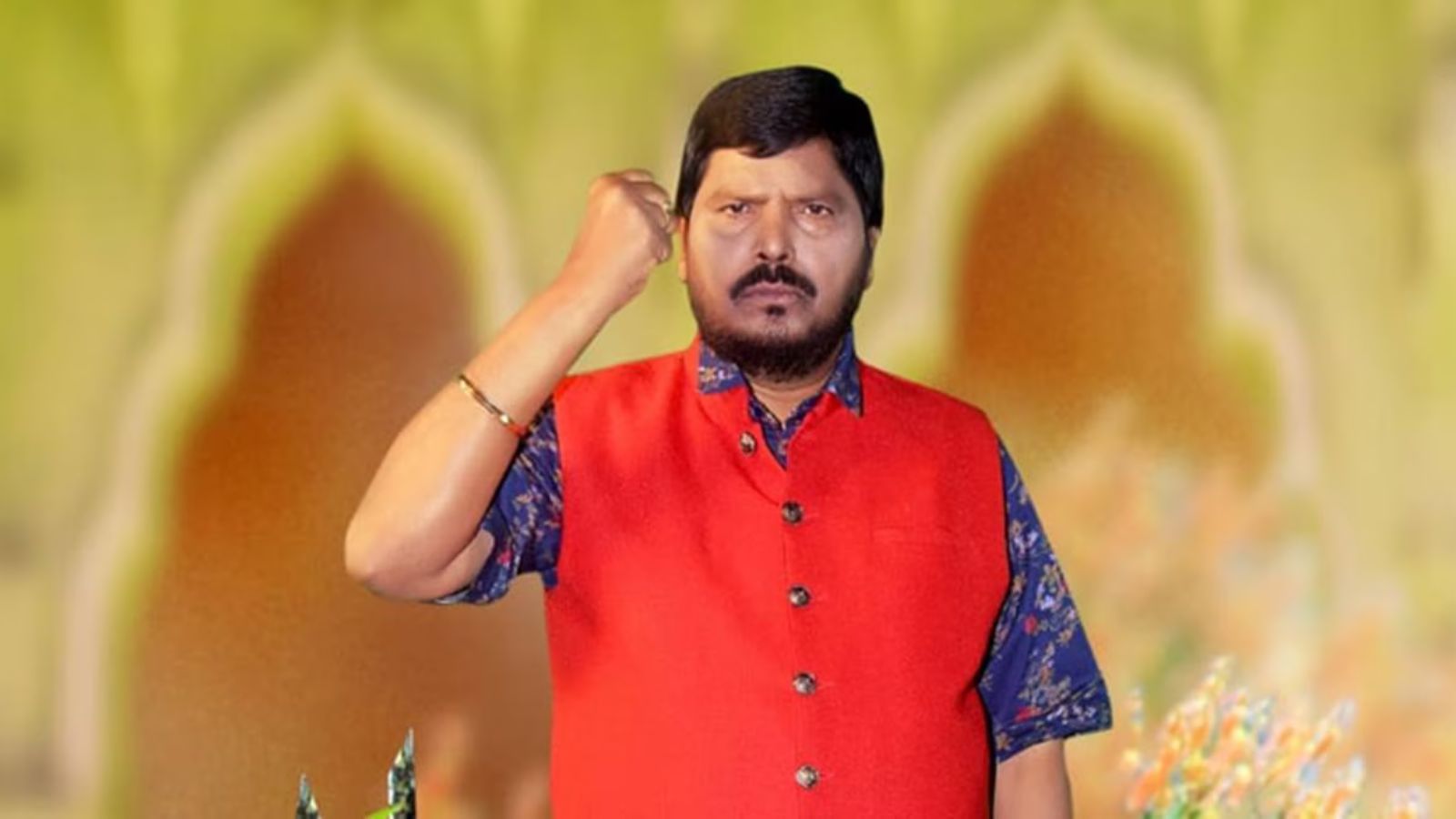
Union Minister JP Nadda and UP Deputy Chief Minister Brajesh Pathak have held cordial talks with the protesters, while senior BJP and NDA leaders from reserved categories have explicitly stated that reservation is inviolate. Union Minister of State for Social Justice and Empowerment, Ramdas Athawale, reiterated that demands to remove reservation are divisive, advocating for each caste to receive its rightful share based on population data from the ongoing Census.
Athawale emphasized that the focus should be on ending the caste system instead of ending reservation.
From the ranks of the reserved categories, there is a clear consensus among BJP leaders that reservation should continue. UP OBC Welfare Minister Narendra Kashyap, who was also the BJP’s state OBC Morcha president, defended reservation, stating that it was granted after a 40-year delay and two commissions of enquiry, and that it is not merely a poverty alleviation measure. Kashyap also noted the exclusion of the cream layer within OBCs from reservation benefits.
Former BJP OBC Morcha president K Laxman highlighted that reservation is necessary as long as social and financial disparities persist. The BJP's evolving stance on caste within its social base is reflective of the party's broader strategy to connect with a more diverse electorate. This shift began in the 1990s as the BJP expanded its outreach beyond Yadav groups to include non-Yadav castes like the Lodhs and Kurmis.
However, the party's ascent was truly marked with Narendra Modi's rise, who himself is an OBC, and its concerted efforts to woo OBCs, SCs, and STs.
The BJP's leadership, including former OBC Morcha president K Laxman, has interpreted the party's electoral setbacks in Maharashtra and UP as consequences of its anti-reservation stance during the 2024 Lok Sabha elections. In response, the Modi government announced that caste would be enumerated in the next Census, a move backed by the Congress and UGC equity regulations.
However, the UGC equity regulation sparked controversy and a Supreme Court stay, prompting the government to tread cautiously to avoid alienating its core voter base. The loss of the Bankipur assembly seat, which has a significant upper caste population, has further intensified the BJP's cautious approach moving forward.
Written by urgent.news from The Indian Express's reporting — not their text. Machine-written — may contain errors; check the original before relying on it.