Nepal disaster highlights climate, geopolitical plight
Countries like Nepal are not large emitters but are disproportionately affected by climate change.

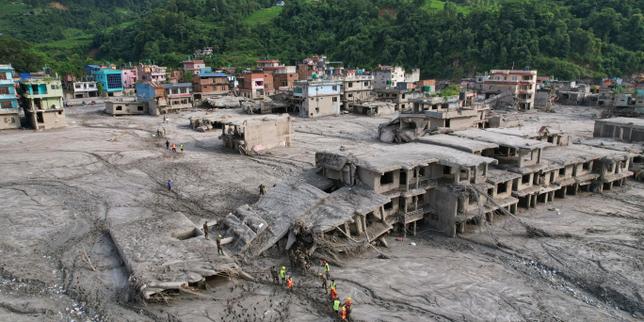
Nepal has experienced devastating landslides that have claimed hundreds of lives, with thousands more still missing. The disaster has highlighted the disproportionate impact of climate change on developing nations, as these countries, despite contributing little to global emissions, are the most vulnerable to its effects. The catastrophic event was likely triggered by accelerating snow and glacier melt, causing a glacier to break off and trigger a landslide that registered as a 5.2 magnitude earthquake.
The complexity of managing the Himalayan region, which involves coordination between China, India, and Nepal, is further exacerbated by China's strategic use of control over Asian waterways as "strategic leverage." This situation underscores the urgent need for international cooperation to address the climate and geopolitical challenges faced by developing nations.
Brief written by urgent.news from Semafor's own syndicated text. Machine-written — may contain errors; check the original before relying on it.