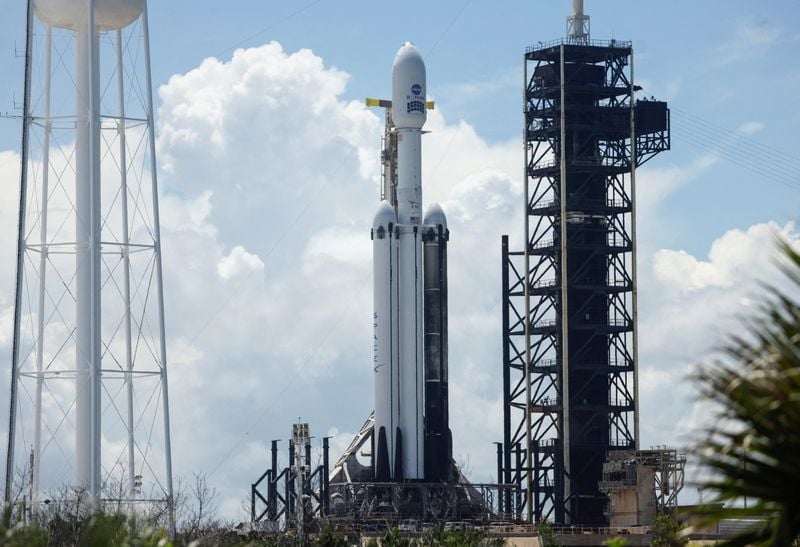
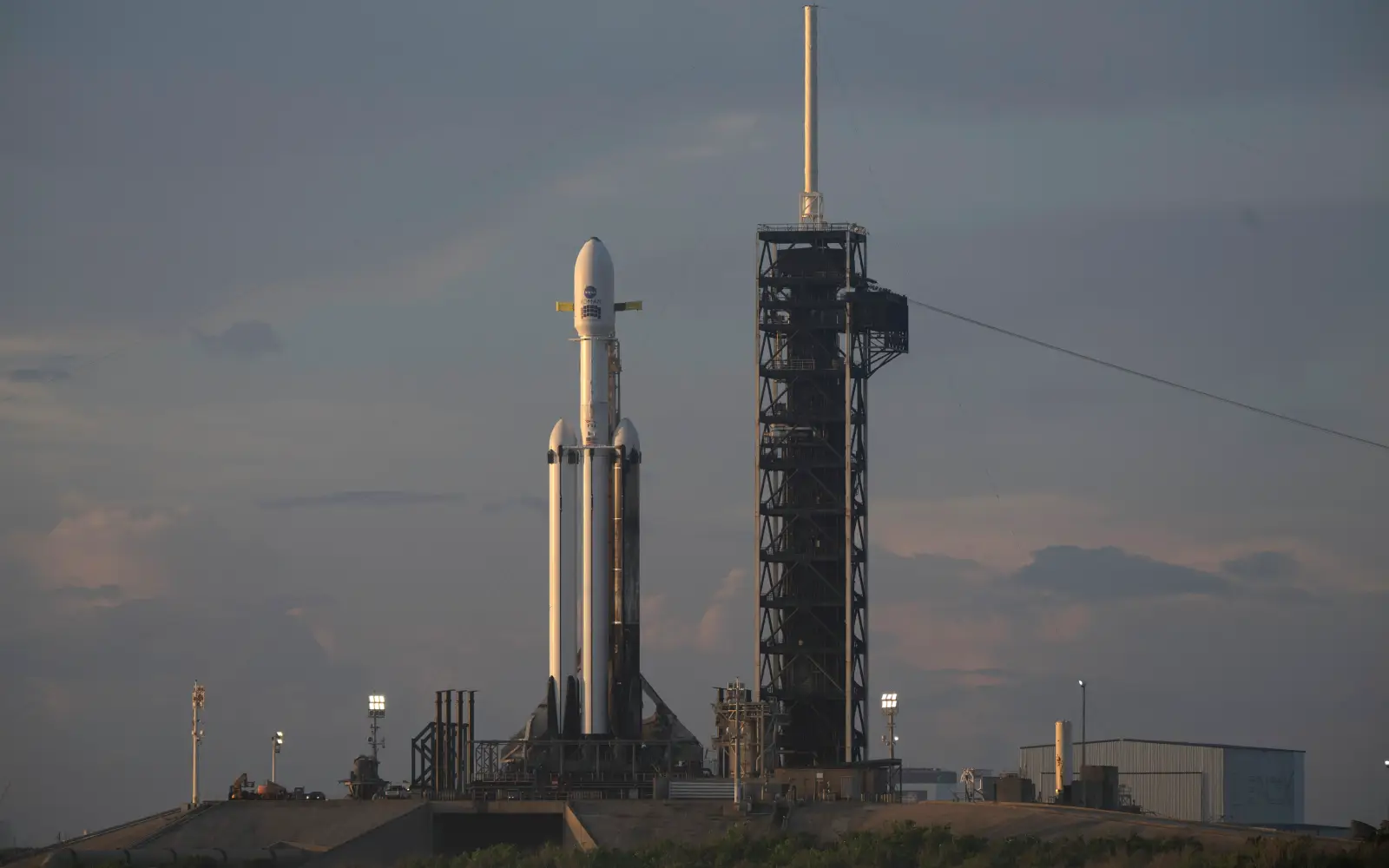
NASA’s Roman Space Telescope Flying on Its Own
NASA's Nancy Grace Roman Space Telescope separated from the SpaceX Falcon Heavy's second stage. The post NASA’s Roman Space Telescope Flying on Its Own appeared first on NASA Science .
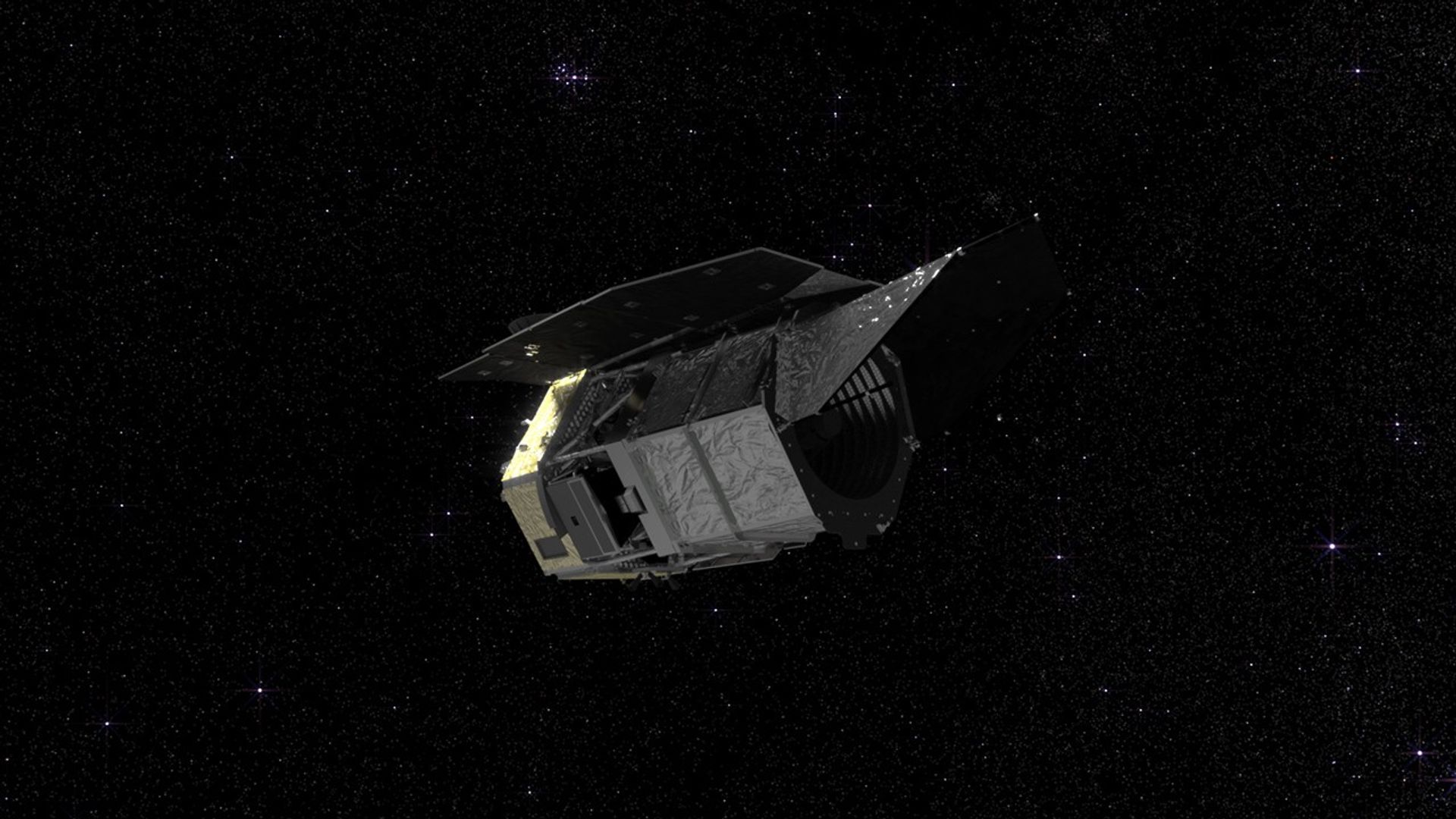
Nancy Grace Roman Space Telescope successfully launched from Earth, detaching from SpaceX's Falcon Heavy rocket at 7:58 EDT. Shortly after, it established communication with a NASA Tracking and Data Relay Satellite. Mission controllers will keep a close eye on the observatory as it travels towards an orbit around the second Sun-Earth Lagrange point, or L2, situated approximately 1 million miles away from our planet.
Once Roman commences its scientific operations, the Near Space Network will handle the transmission of high-speed scientific data, while the Deep Space Network will continue to provide crucial tracking information, including precise measurements of distance and angle, which are vital for ground teams to monitor Roman's position in space.
For downlinking Roman's data, assistance will be provided by the European Space Agency via their New Norcia ground station, and Japan Aerospace Exploration Agency through their Misasa ground station. Shortly after separating from the rocket, Roman will unfurl its Solar Array Sun Shield, which serves dual purposes: generating power and shielding the observatory from extreme temperatures. Post-launch updates can be found at https://science.nasa.gov/blogs/roman/.
Written by urgent.news from NASA Science's reporting — not their text. Machine-written — may contain errors; check the original before relying on it.
This story
This is one outlet's version. Read the fullest account.
- NASA’s Roman Space Telescope: Final Upper-Stage Burn Complete science.nasa.gov
- NASA set to launch Roman telescope to map the universe france24.com
- NASA's Roman Space Telescope is ready for launch aboard SpaceX Falcon Heavy rocket space.com
- Nasa to launch $4.3bn space telescope to scan universe ft.com
- Watch SpaceX Launch NASA’s Roman Telescope to Chart the Stars nytimes.com