Seychelles island restoration grew sooty tern colony from 20,000 to 700,000
Once threatened by severe ecological decline, Bird Island has transformed into a remarkable conservation achievement. Over decades of exploitation and farming, the island's environment was heavily damaged. However, when Guy Savy and partners took over in 1967, they began restoration and promoted eco-tourism. This initiative has led to a major recovery in seabird numbers, proving that long-term…
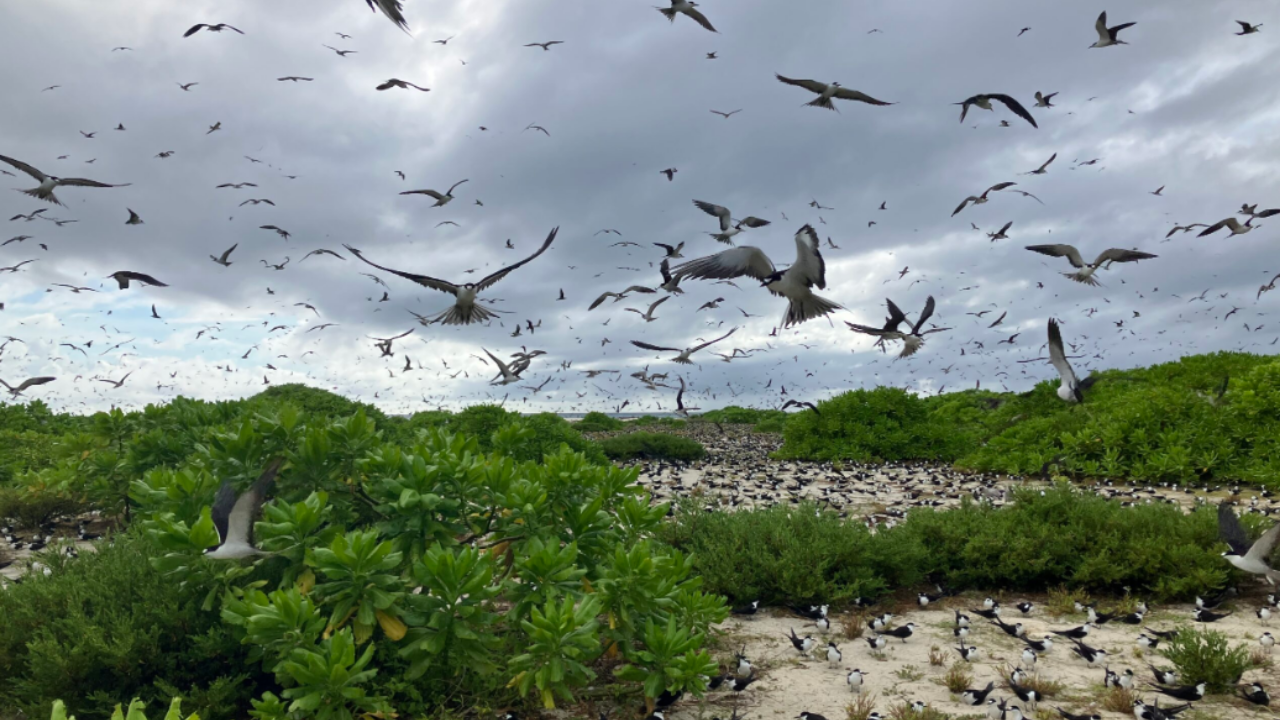
On a tiny coral island on the northern edge of the Seychelles Bank, a remarkable conservation success story has unfolded. Once on the brink of ecological collapse due to commercial farming, habitat destruction and wildlife exploitation, Bird Island has transformed into a haven for hundreds of thousands of seabirds. The turning point came in 1967 when Seychellois accountant Guy Savy and his partners purchased the island, halting destructive commercial activities.
Over the following decades, they developed a low-impact eco-tourism business to fund conservation efforts. By removing dense coconut palms, reopening sandy spaces for ground-nesting birds, and eliminating invasive pests such as rats and rabbits, the island's native plants began to return, creating suitable conditions for breeding and survival.
The recovery journey took several decades to complete. In 1973, Bird Island opened its first 10 eco-chalets, generating income for conservation work. Beginning in the 1990s, conservationists initiated formal sea turtle monitoring programs and continued pest control efforts. In 1998, broadcaster Sir David Attenborough and a BBC camera team documented the island's recovering sooty tern colony for The Life of Birds.
Today, the sooty tern population has soared from just over 20,000 breeding pairs in the mid-1960s to an estimated 700,000 pairs in recent counts, making it one of the largest and most important seabird colonies in the Western Indian Ocean. These migratory birds return annually around late March, laying eggs in May and remaining on the island until around October before heading back to the open ocean.
Tracking studies reveal their extensive travels during the non-breeding season, covering thousands of miles across the Indian Ocean to areas as far away as the Bay of Bengal and Sri Lanka.
The recovery of Bird Island's seabirds has extended benefits to other wildlife. Conservation programs led by marine biologist Dr. Jeanne Mortimer have protected nesting beaches for hawksbill and green turtles. The island now also provides a safe habitat for giant tortoises, notably Esmeralda, a record-holding giant tortoise. However, despite this remarkable success on land, conservationists caution that the seabirds still face threats in the surrounding ocean, including microplastic pollution, over-fishing of tuna affecting prey movements, and changing sea temperatures.
Thus, maintaining the island's protected breeding grounds is crucial for the birds' survival as they navigate wider environmental changes. Bird Island's transformation illustrates the potential for restored island habitats when managed for conservation over the long term, showcasing how private ownership and eco-tourism can collaborate to safeguard fragile island ecosystems.
Written by urgent.news from Times of India's reporting — not their text. Machine-written — may contain errors; check the original before relying on it.