Merdeka: Why must we manufacture ‘mereka’ for ‘kita’ to exist? — Khoo Ying Hooi
AUGUST 30 — Every Merdeka, we become very good at displaying Malaysia. We bring out the batik, songket, saree and...
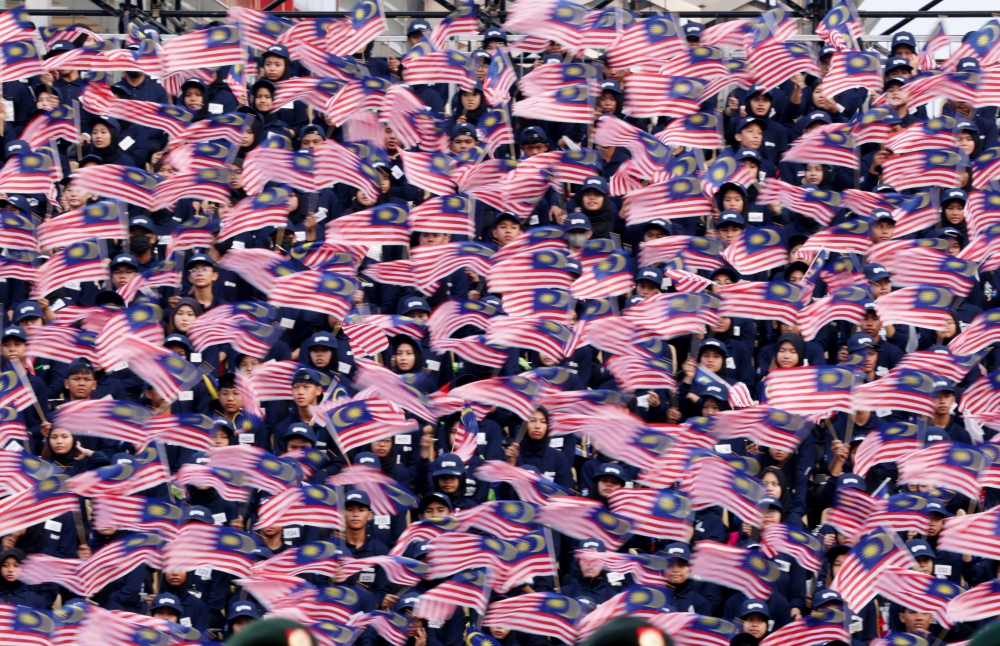
Every Merdeka, Malaysia excels in showcasing its diverse cultures, food, and languages. Politicians remind citizens that diversity is their strength, and it is beautiful to witness the country represented in all its complexity. However, the author wonders if we have become better at displaying diversity than discussing the underlying dynamics.
People easily celebrate "kita," but little is said about the frequent need for "mereka" in Malaysian politics. The author argues that Malaysia must move beyond performative diversity and confront the politics of exclusion that strengthen belonging by casting others as outsiders. The term "pendatang" (immigrant) still holds significant political power in 2026, nearly seven decades after Merdeka.
This word places someone outside the emotional center of the nation, implying that one may possess citizenship but still be rhetorically returned to another country. The article highlights how Malaysia's long history of classification based on race, religion, and citizenship has become woven into various aspects of society, including colonial administration, constitutional arrangements, and everyday understanding of one another.
While acknowledging that difference itself is not the problem, the author emphasizes that when difference becomes hierarchy, and hierarchy becomes permission, it becomes easier to believe that some people deserve less sympathy, security, or dignity. This hierarchy can lead to a community being frightened and brought together quickly when given an enemy, as Carl Schmitt's concept of friend and enemy illustrates.
The author wonders how much of this logic remains in Malaysian political discourse, where Malays are warned about losing political power, non-Malays are told they can never fully belong, and Muslims are concerned about their faith being threatened. The author argues that removing offensive content alone cannot be the main response to hate; instead, discussing and addressing the underlying issues that produce it is crucial.
Written by urgent.news from Malay Mail's reporting — not their text. Machine-written — may contain errors; check the original before relying on it.