It’s not just math and reading. Classroom devices deprive kids of skills needed in the AI future and how to be ‘fully human,’ education experts say
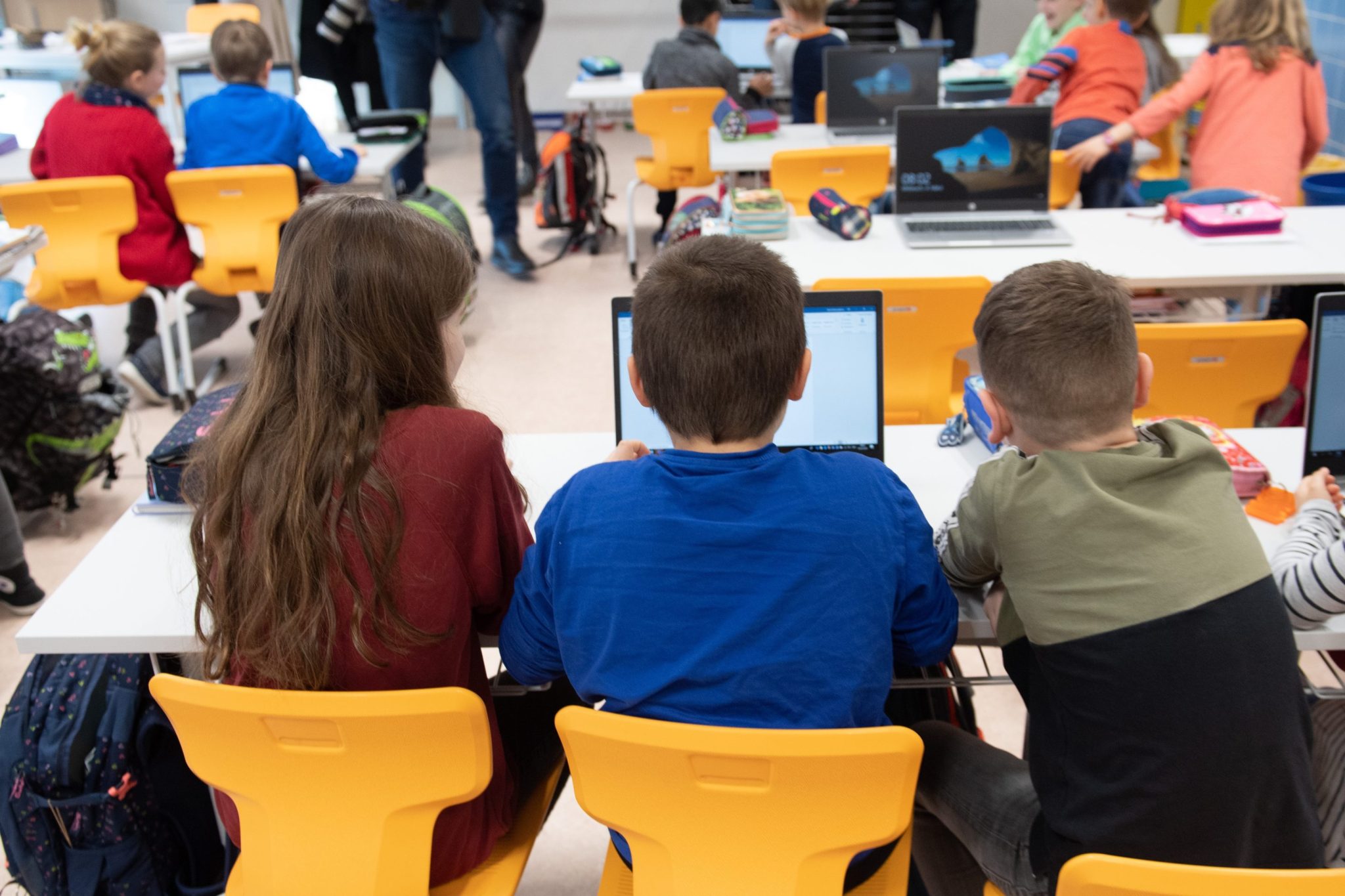
As schools across the nation prepare for the new academic year, an ongoing debate continues surrounding the balance between digital and analog learning methods. However, recent test score declines in subjects like math and reading, despite a shift from textbooks to screens, have sparked new concerns. Professor Sarah Schneider Kavanagh from the University of Pennsylvania and Professor Katie A. Danielson from the University of Portland have shed light on the impact of classroom devices on children's development.
While computer-based learning provides individualized instruction, it also impedes certain essential skills needed in an AI-driven future. According to the professors, collective learning experiences, such as negotiating disagreements and sharing ideas, are crucial for cognitive growth. These skills, they argue, are typically acquired through person-to-person interactions rather than passive screen consumption.
In an age where AI is becoming increasingly prevalent, children must be equipped with human-centric abilities like empathy, attention span, and collaboration, rather than merely being immersed in a digital world. The reliance on devices in classrooms, both before and during the COVID-19 pandemic, has only grown stronger. This trend has not gone unnoticed, with lawmakers in 17 states considering legislation related to devices and screens in the classroom.
In response to these concerns, districts like Los Angeles Unified have taken action, banning screen use for younger students and limiting screen time for older ones. Neuroscientist Jared Cooney Horvath, testifying before the U.S. Senate Committee on Commerce, Science, and Transportation, warned that Gen Z is scoring lower on standardized tests compared to previous generations, attributing this decline to increased screen time in schools.
He emphasized the urgent need to nurture a generation capable of handling complex challenges, highlighting the importance of nurturing essential, human skills in the face of technological advancements.
Written by urgent.news from Fortune's reporting — not their text. Machine-written — may contain errors; check the original before relying on it.