Why Nepal's rare, deadly flood struck without warning
Thousands of people are missing and hundreds are dead after a flash flood in Nepal that struck with little warning earlier this week. Why it matters: The flood is exposing the gaps in warning systems that are designed to watch out for extreme rain and rivers — not for sudden collapses high in the mountains during good weather. Glacier-driven floods under clear skies — sometimes called "blue-sky…
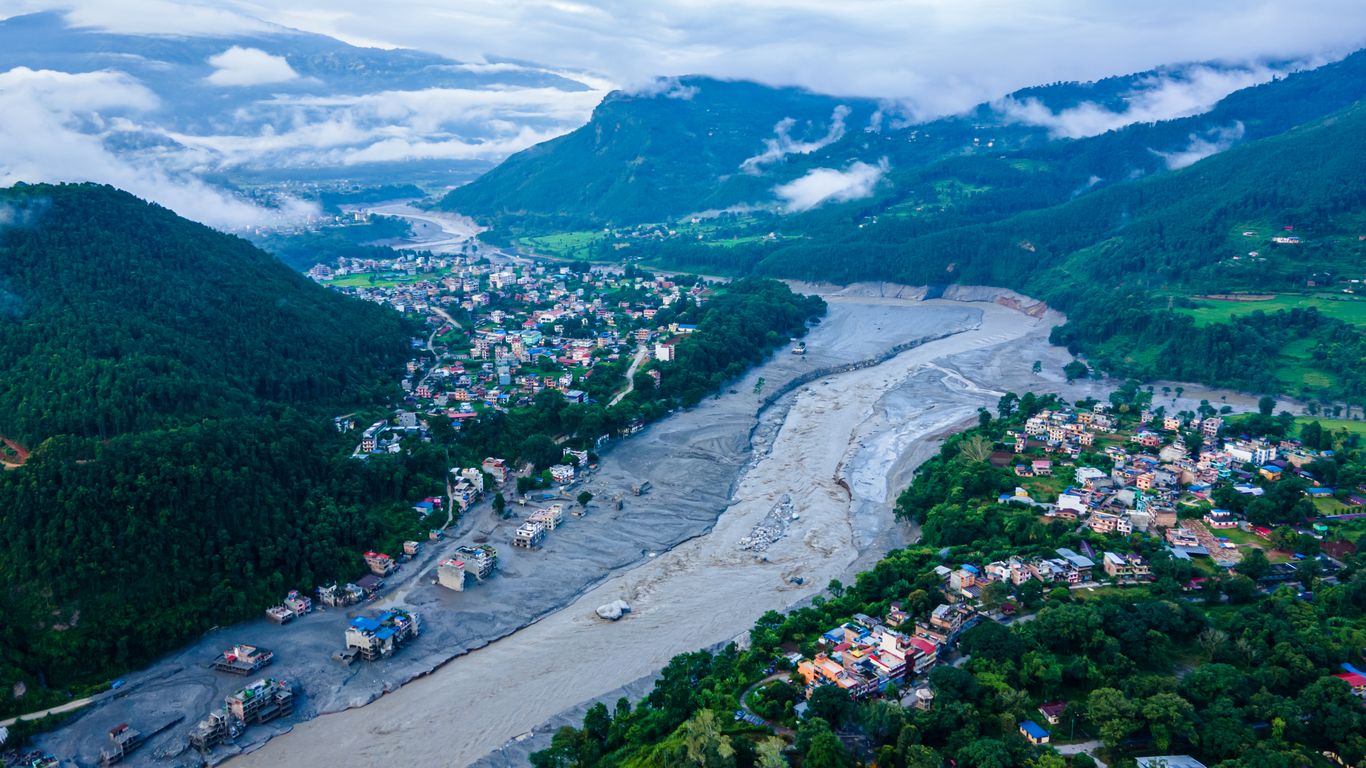
A recent flash flood in Nepal left thousands missing and hundreds dead, highlighting gaps in warning systems that are designed for extreme rain and rivers, not sudden mountain collapses during clear weather. These "blue-sky floods" can occur in the U.S., particularly in Alaska and the Pacific Northwest. In Nepal, a glacier and mountain debris collapse on the Lāngtāng Lirung side created energy comparable to a magnitude-5.2 earthquake, potentially forming a dammed lake that burst, rapidly amplifying into a stronger mass that caused widespread flooding.
The Trishuli River rose nine meters in 30 minutes, adding to the disaster. Despite no typical warning signs like thunderstorms or rainfall, this rare flood demonstrates that the absence of rain does not mean the absence of flood risk. Nepal's flood-warning system typically focuses on rainfall, river levels, and larger river systems, missing smaller waterways that can lead to sudden floods.
Experts suggest investing in early-detection systems for areas vulnerable to flash flooding, as global warming may destabilize glaciers, permafrost, and surrounding slopes, increasing the threat of sudden collapses and floods.
Written by urgent.news from Axios's reporting — not their text. Machine-written — may contain errors; check the original before relying on it.
This story
This is one outlet's version. Read the fullest account.
- Faf shares heartfelt Nepal flood message: ‘Devastating to see what has happened’ timesofindia.indiatimes.com
- Devastating Nepal flood damage may cost up to a tenth of economy to rebuild jpost.com
- Infosys says public services CEO unreachable after deadly Nepal flood business-standard.com
- Singapore’s Mercy Relief to deliver emergency aid to flood victims in Nepal and Philippines straitstimes.com
- Amitabh Bachchan says Nepal flood visuals ‘unbearable to watch’: ‘Fury of nature’ indianexpress.com
- Fresh rain threatens Nepal’s flood rescue economictimes.indiatimes.com
- Nepal seeks technical help and billions of dollars for flood as bad weather hampers rescue cnbc.com