When the mantra of Vande Mataram lit the fire of freedom in Nizam’s territory
Scores of students sang Vande Mataram, terming it as a mantra, however, the Nizam’s Government saw it as a song fueling patriotism rather than its religious message
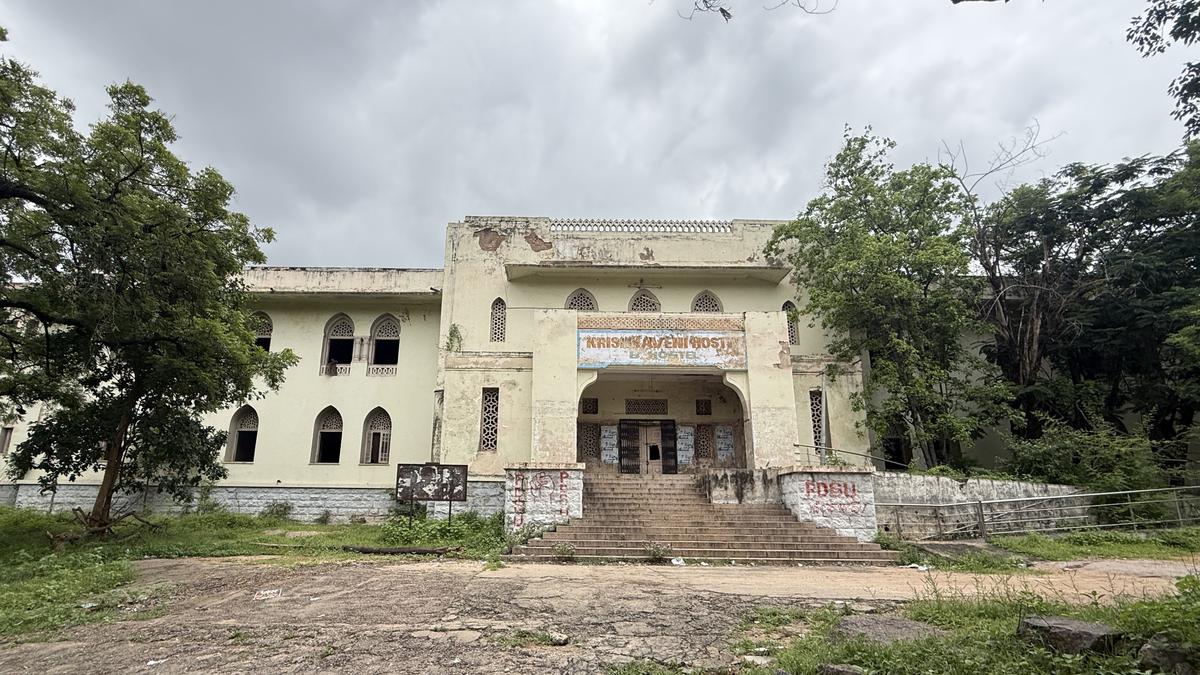
In December 1938, the chant of Vande Mataram ignited the spirit of freedom in the Nizam's territory, echoing through the hostels and prayer halls of Osmania University. The Nizam's government, however, frowned upon the singing of this mantra, considering it a symbol of patriotism rather than its religious message. The push for a representative government under the Nizam began in the schools of the Dominion, with students like P.V.
Narasimha Rao and Laddipalli Anjayya facing expulsion and punishment for their defiance. The movement gained momentum with the formation of the provisional committee for the Hyderabad State Congress and a subsequent satyagraha, resulting in arrests and beatings. The turning point came in November 1938 when students of Aurangabad Government Intermediate College sang Vande Mataram on the college campus, prompting the Nizam's Government to ban the song on November 28.
Despite the ban, students continued to sing the mantra, leading to a mass rustication of 350 students from Osmania University College by December 12. The debate raged on regarding the song's nature, with students claiming it was religious while the Nizam's government disagreed. The anthem "Do Al Men Riya Sabe" was replaced by slogans like Vande Mataram, Matrubhasha ki Jai, Shah-e-Osman Zindabad, and Osmania University Zindabad, symbolizing unity and resistance.
The spirit of Vande Mataram transcended beyond the university campuses, becoming a rallying cry for the broader Union movement.
Written by urgent.news from The Hindu's reporting — not their text. Machine-written — may contain errors; check the original before relying on it.
This story
This is one outlet's version. Read the fullest account.
- Don’t make Vande Mataram a religious quarrel indianexpress.com