Therapy Has a Relationship Problem
When therapy mistakes relational distress for dysfunction, it leaves people with fewer meaningful connections and worse mental health, writes David H. Rosmarin.
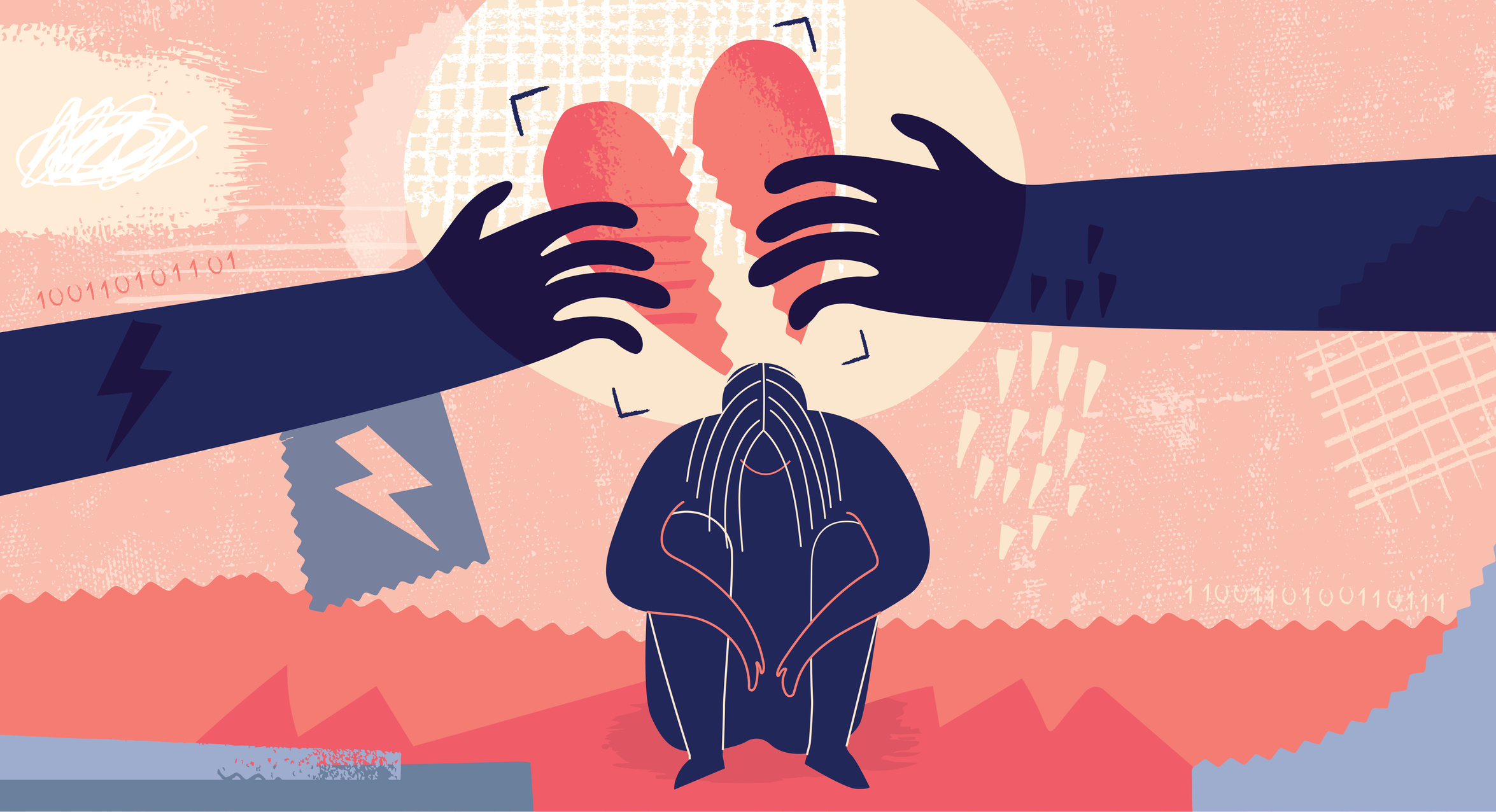
Relationships require effort to maintain, yet mental health professionals often encourage individuals to sever ties prematurely. Even in extreme cases, such as a husband attempting to drive his wife to suicide, couples ultimately choose to divorce. However, most troubled relationships stem from disappointment, resentment, misunderstanding, and unresolved conflicts.
Despite therapists being skilled at identifying unhealthy connections, they may undervalue relationships outside the therapy room. Relationships teach fundamental psychological skills like regulating emotions and navigating differences. Yet, therapists frequently overlook the importance of repairing difficult ties. Ending a relationship may resolve one issue but often creates new ones, leading to increased loneliness and difficulty coping with adversity.
Mental health is inherently relational, yet the medical system often treats it as individualistic, focusing solely on the patient's diagnosis. Furthermore, mental healthcare frequently pathologizes normal negative emotions, exacerbating distress and reducing one's ability to tolerate discomfort. Effective therapy should instead focus on building skills to maintain connection and repair ruptures.
It is crucial to learn how to navigate disappointment, take responsibility for one's contribution to tensions, set boundaries, and accept when another person cannot fulfill our needs. By developing these capacities, individuals can enhance their relationships and overall well-being.
Written by urgent.news from Time's reporting — not their text. Machine-written — may contain errors; check the original before relying on it.