Spaceflight Leaves Heart Muscle Cell Strength Intact
Since the dawn of human space exploration, astronauts, scientists, and engineers have examined the short- and long-term effects of microgravity (often mistakenly called zero-gravity) on the human body. This includes the distribution of fluids to the upper body (called “puffy face”), an increase in height from the spine slightly extending, how solar and cosmic radiation impacts humans at the…
A recent study conducted by researchers at the University of Chicago has found that spaceflight leaves heart muscle cell strength largely intact. The study, published in the journal npj Microgravity, involved sending five mice to the International Space Station (ISS) and keeping five as a control group on Earth. The mice were exposed to microgravity for a period of approximately 38.5 days.
While the total study period was relatively short, the researchers chose mice for the study due to their significantly faster heart rates compared to humans. A mouse's heart can beat up to 600 times per minute, while a human's heart typically beats between 60 and 100 times per minute.
The researchers found that microgravity had little to no impact on the heart muscle cells of the mice. Dr. Jonathan Kirk, an Associate Professor of Medicine at UChicago and co-author on the study, expressed surprise at the results, stating, "There are a lot of things in common between cardiac and skeletal muscle, so we thought that we would see some decrease in heart function from space travel."
However, the findings suggest that the heart is capable of withstanding the effects of microgravity, which is a promising development for future space missions.
Interestingly, the study also revealed that microgravity induced inflammation in the heart muscle cells of the mice. The researchers plan to further investigate this inflammatory response in future studies. Additionally, the team intends to examine tissue samples collected directly on the ISS, rather than waiting for the tissues to return to Earth. This approach may yield more pristine samples, as the tissues would be subjected to less gravity during re-entry.
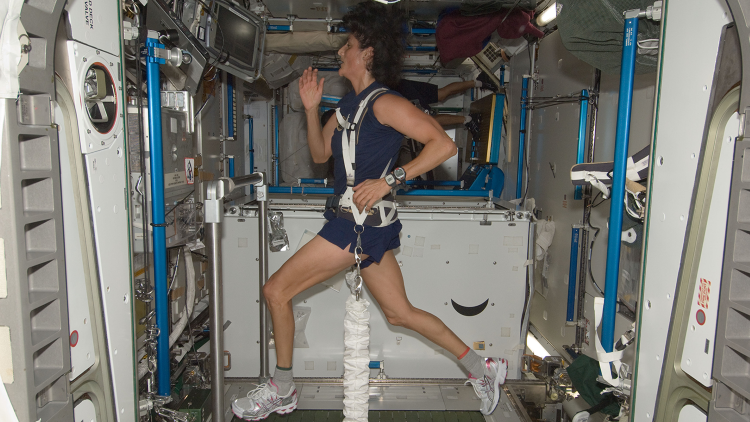
Spaceflight effects on the human body have been extensively studied since the beginning of human spaceflight. However, the upcoming Mars missions, which are estimated to last between two to three years, necessitate a better understanding of how microgravity impacts the human body, including the heart. Astronauts currently spend around 2.5 hours per day, six days a week, exercising to counteract the effects of microgravity.
While the current study provides hope for the heart's resilience, further research will be necessary to develop strategies for mitigating any potential long-term health consequences for astronauts on extended space missions.
Written by urgent.news from Universe Today's reporting — not their text. Machine-written — may contain errors; check the original before relying on it.