Climate change raises risk of 'catastrophic' events as Nepal-Tibet flood death toll mounts
Scientists have warned that landslides and glacial collapses like those behind this week’s devastating flooding in Nepal and Tibet are likely to become more common as a result of climate change. Huge waves of water and debris swept away people, roads and buildings, leaving more than 500 dead, most of them in Nepal but a small number in Tibet, and many more missing. Rescue efforts continue, though…
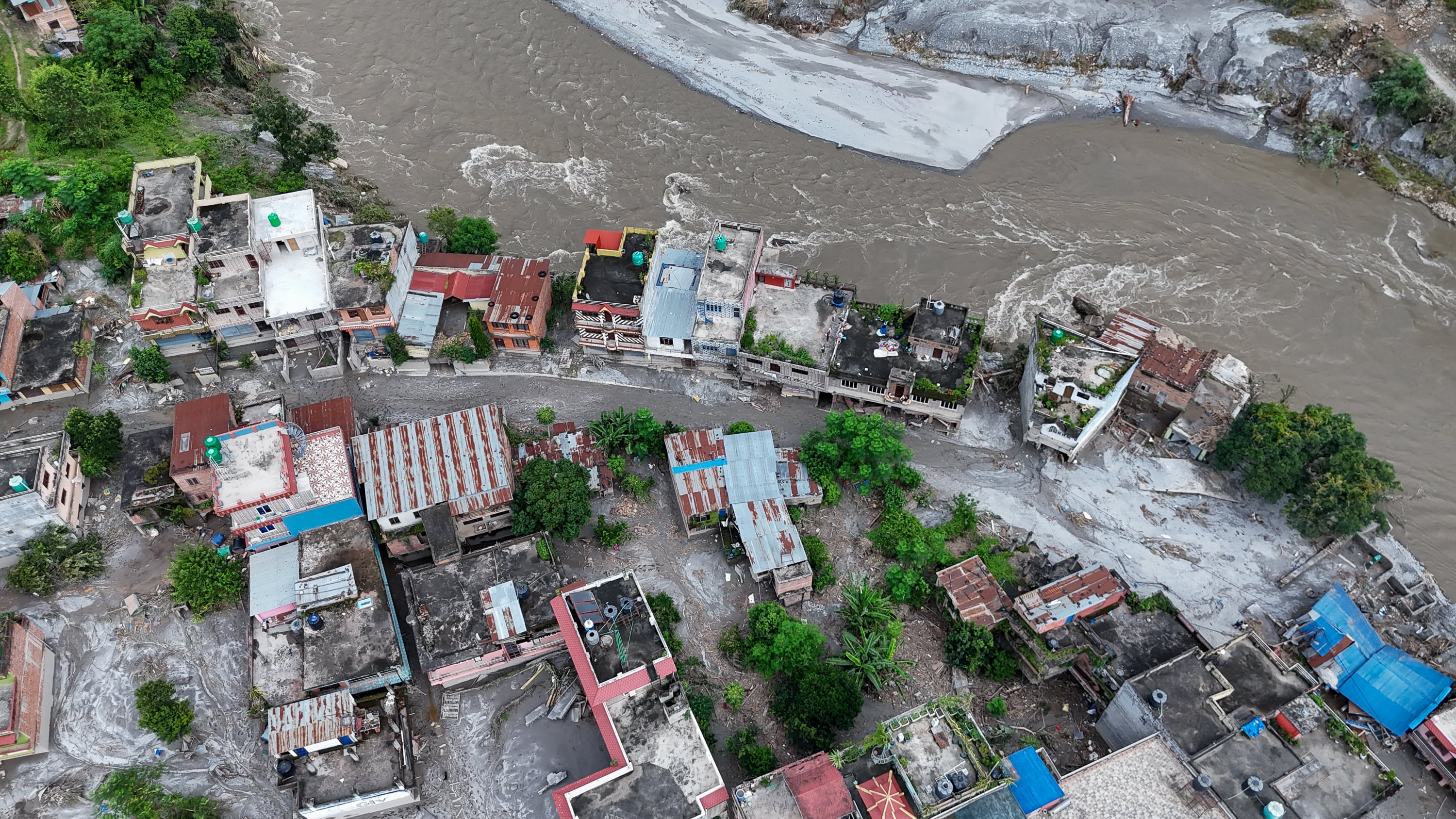
Scientists warn that landslides and glacial collapses, like those responsible for this week's devastating floods in Nepal and Tibet, are likely to become more frequent due to climate change. Over 500 people lost their lives, mostly in Nepal but also in Tibet, with many more still missing. Rescue operations persist, though they may be hindered by the risk of further flooding as lakes in the region could overflow.
The disaster is believed to have stemmed from the Langtang Lirung peak in Nepal, situated within the Himalayas approximately 15 kilometers from the flood-affected area near the Nepal-China border. As the climate warms, Himalayan glaciers are retreating rapidly, and mountain permafrost is thawing, weakening the rocks and potentially triggering landslides and glacier collapses.
Professor Mike Searle from the University of Oxford notes that a combination of factors, such as the melting permafrost and the continued growth of mountains due to tectonic activity, contribute to the steepness of glaciers, increasing their risk of collapsing.
Dr. Richard Waller, a senior lecturer in physical geography at Keele University, explains that a sudden warming event may have allowed water to seep into the glacier through crevasses, making it slide more easily along the rock. Another contributing factor is the growth of mountain ranges, which steepens glaciers and makes them more prone to collapse.
The massive waves of water responsible for the destruction likely did not directly result from the glacier's collapse; instead, debris may have formed a dam, creating a lake that eventually breached its barrier, leading to catastrophic flooding.
Dr. Waller hopes that the aftermath of this disaster will spur "detailed hazard mapping" to better identify areas at risk of similar events, potentially enabling early warnings to save lives. He contrasts this situation with the evacuation of Blatten, a Swiss village, a week before it was destroyed by a glacial collapse and landslide in May of the previous year, highlighting the importance of active monitoring and preparedness.
Currently, only the Khumbu glacier on Mount Everest's slopes is being monitored closely. The affected regions, being located in river valleys, are particularly vulnerable, and building infrastructure higher up could mitigate risks. Aid, especially for organizations like UN agencies, is urgently needed, with the recent reduction in USAID funding exacerbating the situation in Nepal.
While this week's events cannot be directly attributed to climate change, Dr. Ethan Lee from the University of Sheffield emphasizes that warming does destabilize glaciers, leading to cascading effects that increase the likelihood of landslides and debris flows. Previous incidents, such as the 2021 Uttarakhand flood in India and the 2022 glacial collapse on Marmolada in Italy, illustrate the ongoing risks associated with climate change.
Dr. Diana Francis, an associate professor at Khalifa University, adds that glaciers in mountainous regions are particularly sensitive to climate change due to their surrounding landmasses and lack of protective sea ice margins. She recommends mapping populated areas in regions prone to glacial collapses to implement risk reduction measures.
Written by urgent.news from The National UAE's reporting — not their text. Machine-written — may contain errors; check the original before relying on it.
This story
This is one outlet's version. Read the fullest account.