For vultures near Dehradun, 2.4 km separates survival from electrocution
A decade-old study, published in a journal recently, indicates that the relocation of a livestock carcass dump away from power lines at Sudhauwala has been effective in reducing vulture mortality
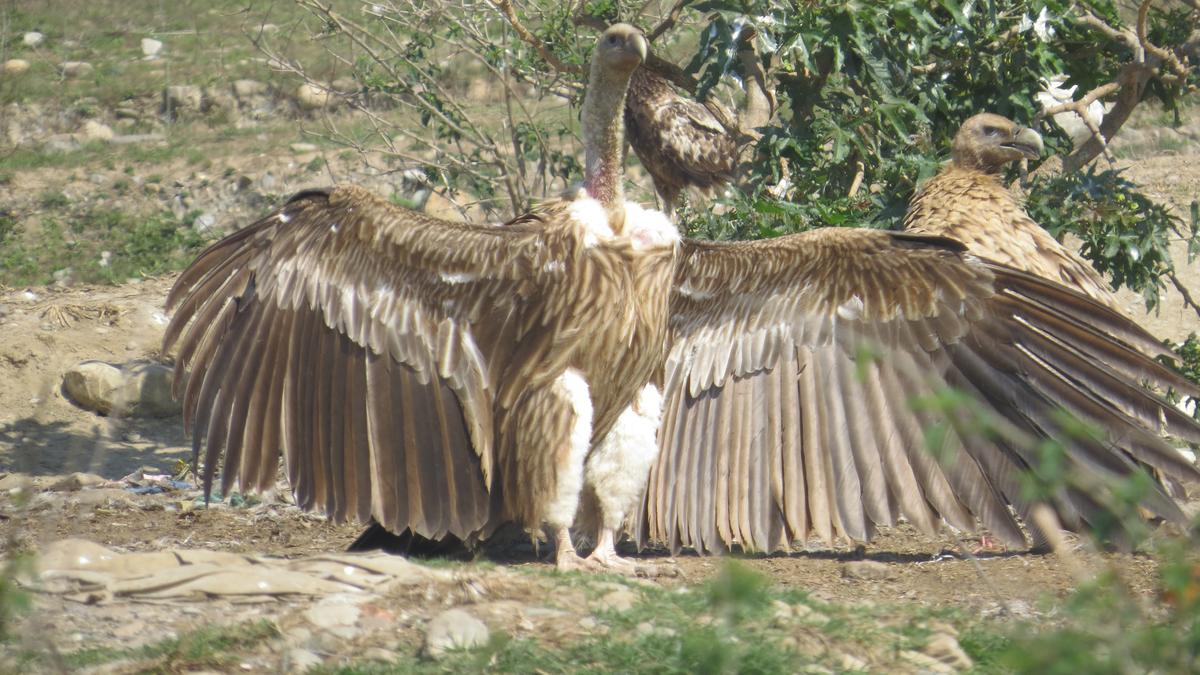
A study published in the Journal of Threatened Taxa suggests that moving a livestock carcass dump 2.4 kilometers away from high-tension power lines near Dehradun, Uttarakhand may have saved vultures from electrocution. The research, conducted by a team of scientists including Javed Anver and Yash Vardhan Singh Sengar, found that vultures were at risk of electrocution due to proximity to power infrastructure.
Over a decade, researchers documented 46 vulture deaths linked to electrocution in the Sudhauwala region. In April 2015, local authorities relocated the carcass dumping site 2.4 kilometers away from the high-risk electricity infrastructure. Post-relocation monitoring revealed that vultures continued to use the new site without any mortality events.
The study emphasizes that relocating carcass dumping sites away from hazardous power infrastructure can be an effective conservation measure to reduce electrocution risk for vultures.
Written by urgent.news from The Hindu - Sci-Tech's reporting — not their text. Machine-written — may contain errors; check the original before relying on it.
This story
This is one outlet's version. Read the fullest account.