Kenya, China conservationists explore tech use to protect biodiversity
Conservationists drawn from Kenya and China are exploring new ways to deploy new technology in a bid to protect biodiversity. During the just concluded China-Africa Biodiversity Conservation Exchange and Training Course & “Eagle City” Global Exhibition, experts said real-time tracking of animals has enabled protection of animals, migratory routes and reduced human wildlife conflict. According […]…
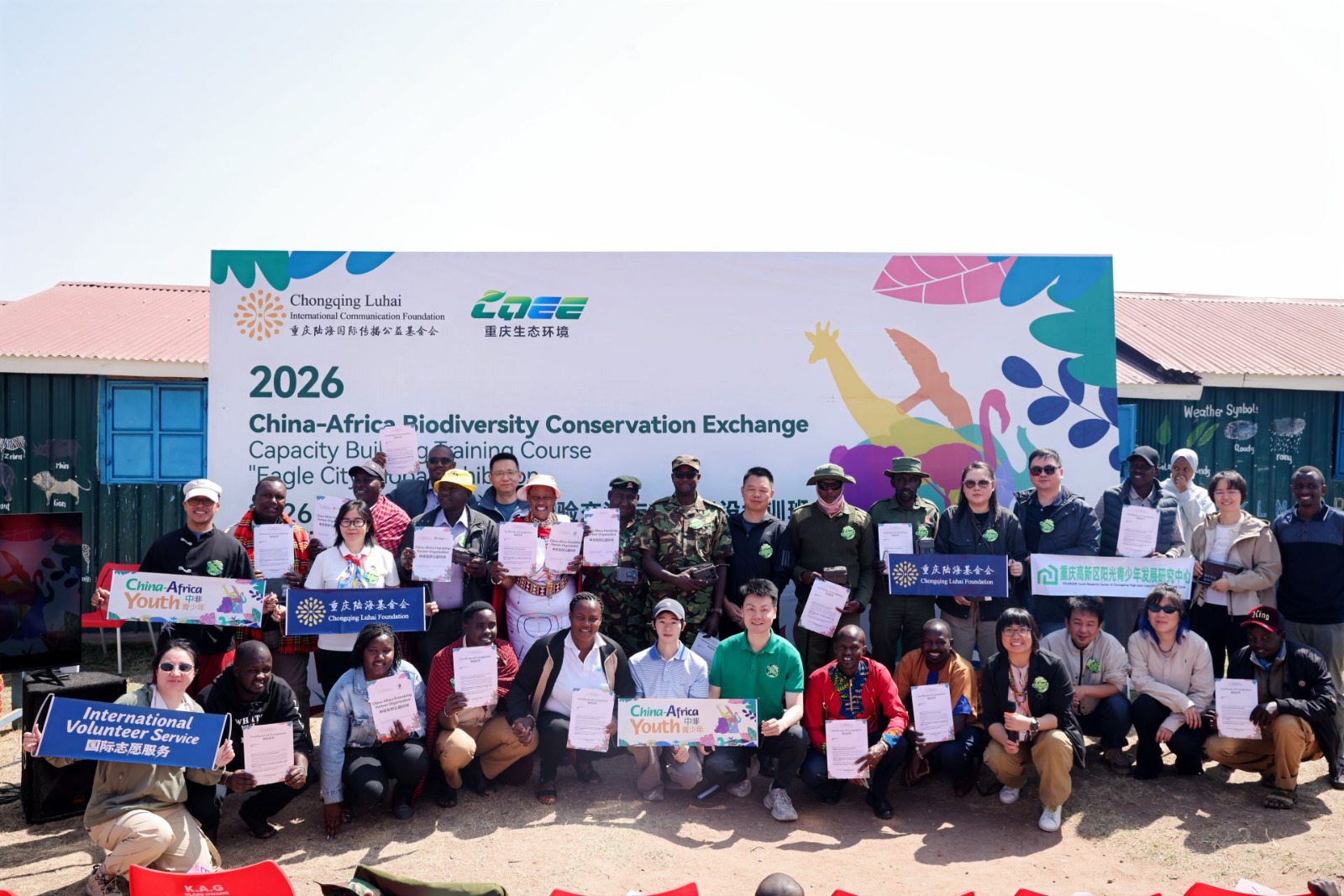
Conservationists from Kenya and China convened at a recent event to explore the role of technology in safeguarding biodiversity. During the China-Africa Biodiversity Conservation Exchange and Training Course, experts shared their experiences in utilizing real-time tracking and other innovations to protect wildlife and reduce human-wildlife conflict.
Lions in Kenya's Maasai Mara, for instance, are outfitted with GPS collars to monitor their movements and alert nearby communities when their paths cross with human settlements. This proactive approach helps mitigate livestock losses and prevents retaliatory lion killings, fostering a coexistence that benefits both people and animals.
In China, rhino conservation has benefited from a smart command centre and geo-tagged ear tags on rhinos, which trigger automatic alerts when the endangered creatures venture near protected areas. Meanwhile, Chongqing, China, has implemented a decade-long fishing ban along the Yangtze River and conducted extensive surveys of species, leading to an increase in the number of plant, vertebrate, and fish species within its borders.
Both nations recognize the importance of sharing conservation knowledge to tailor strategies to their unique contexts. The event also featured community-led conservation initiatives, such as those run by the Joy and Hope for Rural Community Foundation in Arusha, Tanzania, and the Adept Conservation Network led by Eston Murithim, both of which emphasize local engagement and the development of sustainable livelihoods.
To reach younger audiences, parallel courses focused on biodiversity conservation were launched, using engaging formats like videos and board games to teach conservation principles. These courses aim to build a foundation for future Chinese-African cooperation in environmental matters, with the event serving as a launchpad for deeper cultural and green exchange ties between the two regions.
Written by urgent.news from KBC's reporting — not their text. Machine-written — may contain errors; check the original before relying on it.