For vultures near Dehradun, 2.4 km separates survival from electrocution
A decade-old study, published in a journal recently, indicates that the relocation of a livestock carcass dump from near power lines at Sudhauwala has been effective
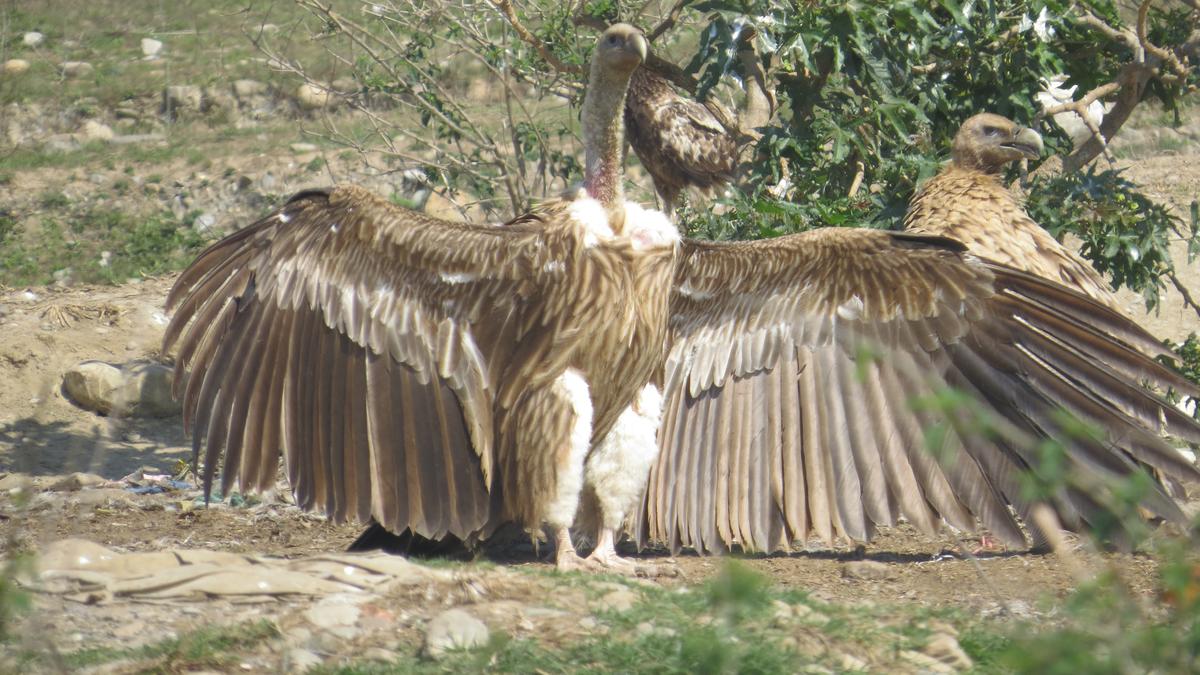
For vultures near Dehradun, a distance of 2.4 kilometers can mean the difference between life and death. A study published in the Journal of Threatened Taxa suggests that relocating a livestock carcass dump 2.4 kilometers away from high-tension power transmission structures near Uttarakhand’s Dehran may have saved these large scavengers from another threat—electrocution.
Led by Javed Anver and his colleagues, the research documented electrocution mortalities of vultures in the Sudhauwala region of Dehradun. Over 34 surveys conducted between 2011 and 2014, the study recorded 743 individual vultures, belonging to five species. The Himalayan griffon, Eurasian griffon, and cinereous vulture were found to be particularly affected by electrocution, with 46 vulture carcasses attributable to this cause in close proximity to power lines.
Despite the study being conducted on a non-systematic basis, the findings indicate that electrocution may pose a significant localized threat to vultures, especially long-lived scavengers like these birds. In response to the findings, local authorities relocated the carcass dumping site about 2.4 kilometers away from the high-risk electricity infrastructure in April 2015.
Subsequent observations showed that vultures continued to use the new site without any mortality events recorded during limited post-relocation monitoring. The relocation demonstrates the potential of this approach as a practical conservation measure to mitigate vulture mortality in other affected areas.
Written by urgent.news from The Hindu's reporting — not their text. Machine-written — may contain errors; check the original before relying on it.
This story
This is one outlet's version. Read the fullest account.