An olive branch to the import bill
EDITORIAL: Pakistan’s decision to launch a National Olive Value Chain Policy is exactly the kind of practical intervention the economy has needed for years. The country spends around $4 billion annually on edible oil imports, according to the prime minister, and even a 10 percent reduction in that bill would save roughly $400 million in foreign exchange. For an economy that routinely runs short…
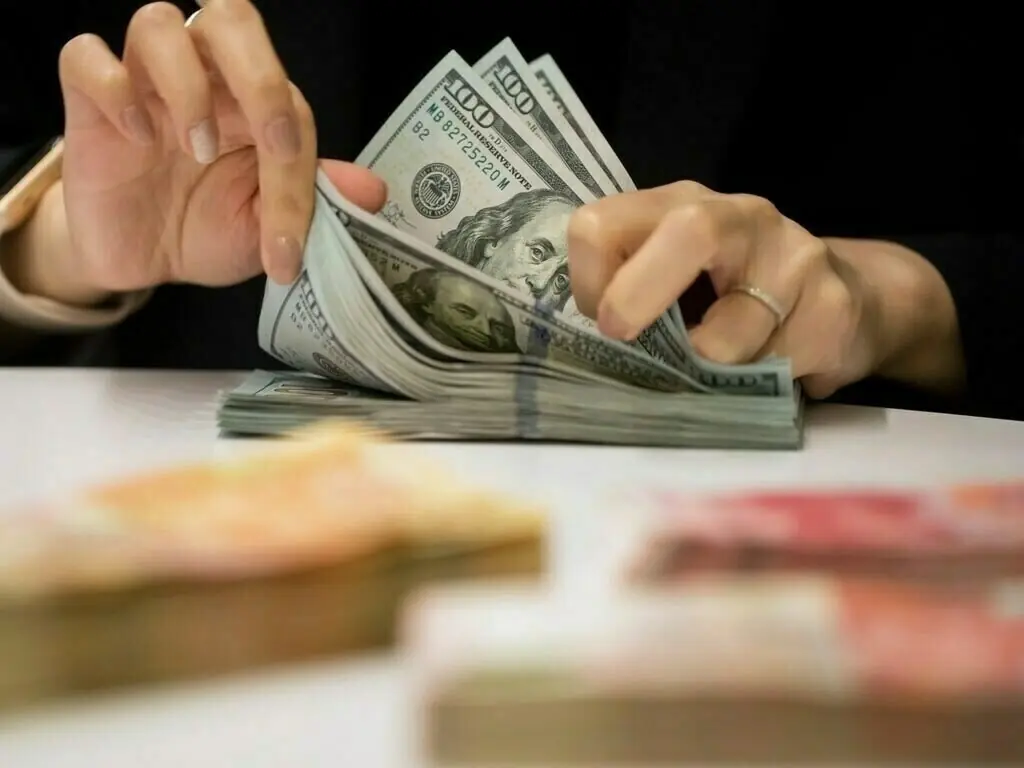
Pakistan’s new National Olive Value Chain Policy marks a significant step towards reducing the country's heavy reliance on oil imports, which currently amounts to around $4 billion annually. Implementing such a strategy could save approximately $400 million in foreign exchange, a considerable amount for a nation with a history of currency shortages and financial instability.
This development is particularly notable given that Pakistan has long treated import dependence as an unavoidable fact of life, rather than seeking practical solutions to lessen this burden.
The policy's emphasis on transforming the olive sector into a comprehensive agro-industrial complex is particularly commendable. This approach recognizes that olive production can only be economically viable if it is part of a broader value chain, encompassing processing, quality certification, branding, and export development. The decision to send agricultural graduates to Italy for advanced training and to leverage existing cooperation in nurseries, laboratories, and technical education further underscores the strategic vision behind this initiative.
However, the olive policy also exposes deeper shortcomings in Pakistan's agricultural and trade planning. The nation has neglected several areas of natural comparative advantage due to weak policies, poor execution, and distorted incentives. Cotton production, for instance, has declined significantly, forcing the textile sector to increasingly rely on imported raw materials.
Similarly, wheat production has fluctuated between abundance and shortage, undermining the country's flagship export earner. These issues are not mere anomalies but indicative of a broader failure to devise a coherent production and trade strategy.
Effective economic planning should identify products that can be efficiently produced domestically, sectors where the country can build export competitiveness, and the necessary infrastructure, technology, and incentives to achieve these goals. Import substitution and export promotion should complement each other in a comprehensive external-sector policy.
In this context, olives fit perfectly into the framework, offering immediate benefits through reduced edible oil imports without compromising on quality or imposing unnecessary protection on consumers.
Looking ahead, Pakistan's membership in the International Olive Council, coupled with growing local expertise and potential access to regional markets, presents an opportunity to develop olive oil as an export product. This ambitious goal requires consistent standards, traceability, branding, and private investment—areas where the government must facilitate rather than micromanage.
The ultimate challenge will be implementation, as previous agricultural policies have often faltered due to inadequate coordination between federal and provincial governments, insufficient farmer support, research, extension services, and market development.
The success of the olive policy will hinge on measurable outcomes, such as increased acreage under cultivation, oil production, imports displaced, processing capacity creation, and exports generated. Pakistan can no longer afford to rely on policies that fail to translate into tangible results. Every unnecessary dollar spent on avoidable imports strains the already fragile external account, while every missed export opportunity exacerbates this pressure.
Thus, the olive initiative is not just a welcome policy but a necessary step towards realizing Pakistan's economic potential by producing more of what it imports and exporting more of what the world demands. This shift from a policy of dependence to one of self-reliance and export-led growth was long overdue and is now a matter of economic necessity.
Written by urgent.news from Business Recorder's reporting — not their text. Machine-written — may contain errors; check the original before relying on it.