Women of Vision: How Emirati Nephrologist champions early kidney care
The kidneys perform their essential work almost invisibly, filtering waste, regulating blood pressure and maintaining the body’s delicate chemical balance. Their silence can also conceal disease for years, allowing damage to advance while a person continues to feel well. Dr Hassa Obaid Khalifa Al-Zaabi, nephrologist at OMICS Precision Health, Dubai, has built her career around detecting those…
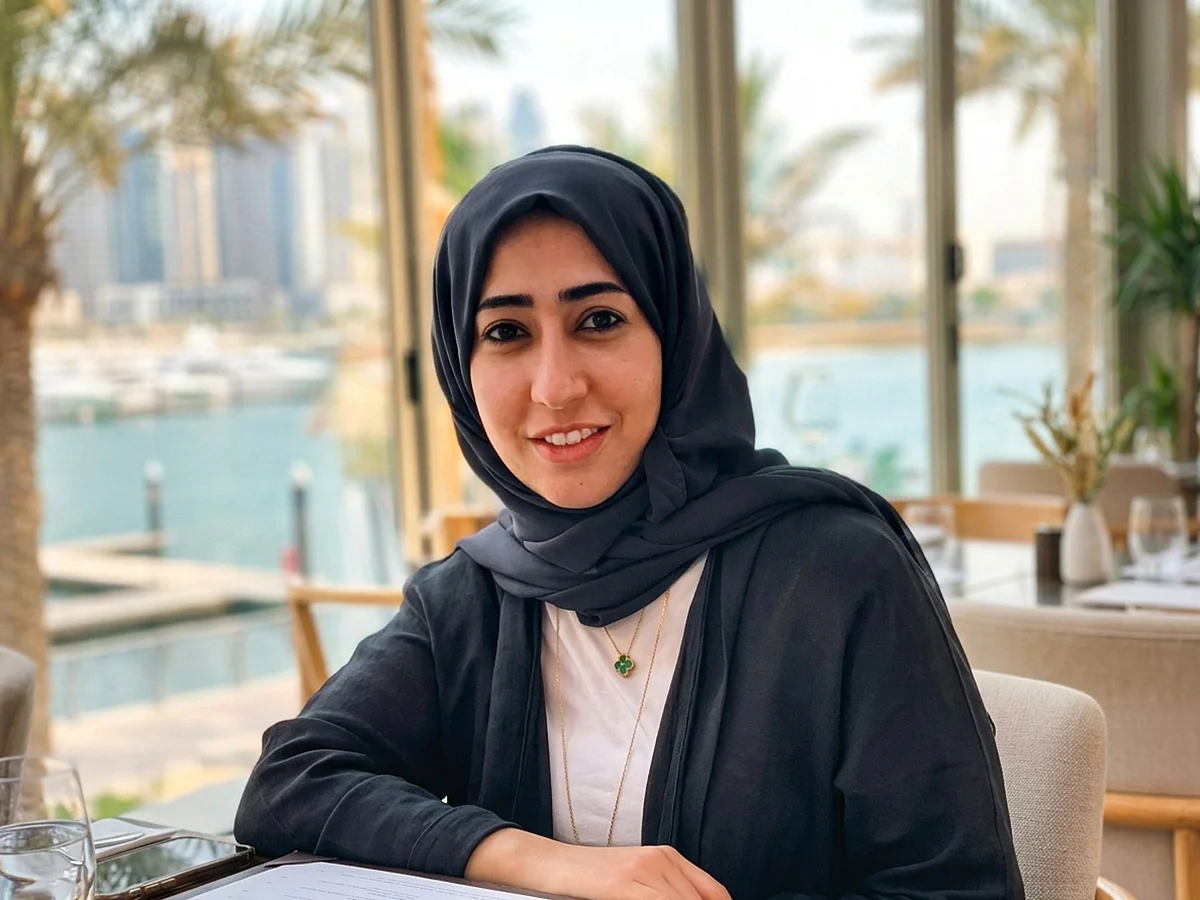
Kidneys silently filter waste, control blood pressure, and maintain the body's chemical balance. However, they can conceal disease for years, allowing damage to progress while a person remains symptom-free. Dr. Hassa Obaid Khalifa Al-Zaabi, a nephrologist at OMICS Precision Health in Dubai, focuses on identifying these hidden risks to protect kidney function and enhance healthcare systems for each patient.
Al-Zaabi chose nephrology after recognizing the need for more local expertise. At the time, few Emirati physicians specialized in kidney care, which fueled her determination to pursue the field. In 2005, she studied nephrology in Sheffield, UK, to gain the necessary expertise. Nephrology continues to captivate her because the kidneys reveal much about the entire body.
Their health is influenced by blood pressure, cardiovascular and metabolic conditions, diabetes, and autoimmune diseases. As a nephrologist, understanding the broader body's health is crucial. Prevention is central to her work since kidney disease often develops without warning signs. Women, especially those with diabetes, high blood pressure, obesity, cardiovascular disease, autoimmune conditions, or a family history of kidney disease, should understand their risk profile.
Screening is simple: a blood test estimates kidney filtering capacity, while a urine test can detect albumin, an early sign of damage. Al-Zaabi advises controlling blood pressure and glucose, staying active, avoiding smoking, and reducing excess salt and ultra-processed foods. She also warns against frequent or unsupervised use of anti-inflammatory medications like ibuprofen and diclofenac.
Diabetes and hypertension are leading causes of chronic kidney disease. In the UAE, where cardiometabolic conditions are a significant concern, regular monitoring helps detect changes early and maintain kidney function. Dr. Al-Zaabi's work extends beyond consultations through her Diploma in Government Excellence Model, focusing on healthcare quality and institutional leadership.
Clinical experience shows that outcomes depend on coordinated care, consistent standards, and a system ready to learn from its mistakes. Doctors, she says, can identify gaps and drive improvements that benefit more than just individual consultations. The UAE's support for women's education and professional growth has been a significant advantage in her career.
Her greatest challenges included pursuing training abroad, entering a field with few Emirati doctors, and staying current with evolving science and treatments. These experiences shaped her leadership philosophy centered on learning, contribution, and measurable improvements in patient care. On Emirati Women's Day, Dr. Al-Zaabi urges young Emirati women to pursue their ambitions and specialize in fields they are passionate about.
Healthcare is advancing through precision health, genomics, artificial intelligence, and sophisticated diagnostics—areas the UAE is heavily investing in. "We will always need Emirati women with the expertise to contribute to these fields and lead within them," she asserts. She encourages them to use their knowledge to serve their patients and country.
Written by urgent.news from Gulf News's reporting — not their text. Machine-written — may contain errors; check the original before relying on it.