US and China must team up to keep maritime trade routes free and safe
With the end of the 60-day US-Iran memorandum of understanding, tensions in the Strait of Hormuz have flared again. The crisis in the strait highlights how the security and stability of key international waterways are becoming an increasingly urgent global concern. Over the past decade, major maritime routes have been affected by regional armed conflicts, geopolitical tensions and growing…
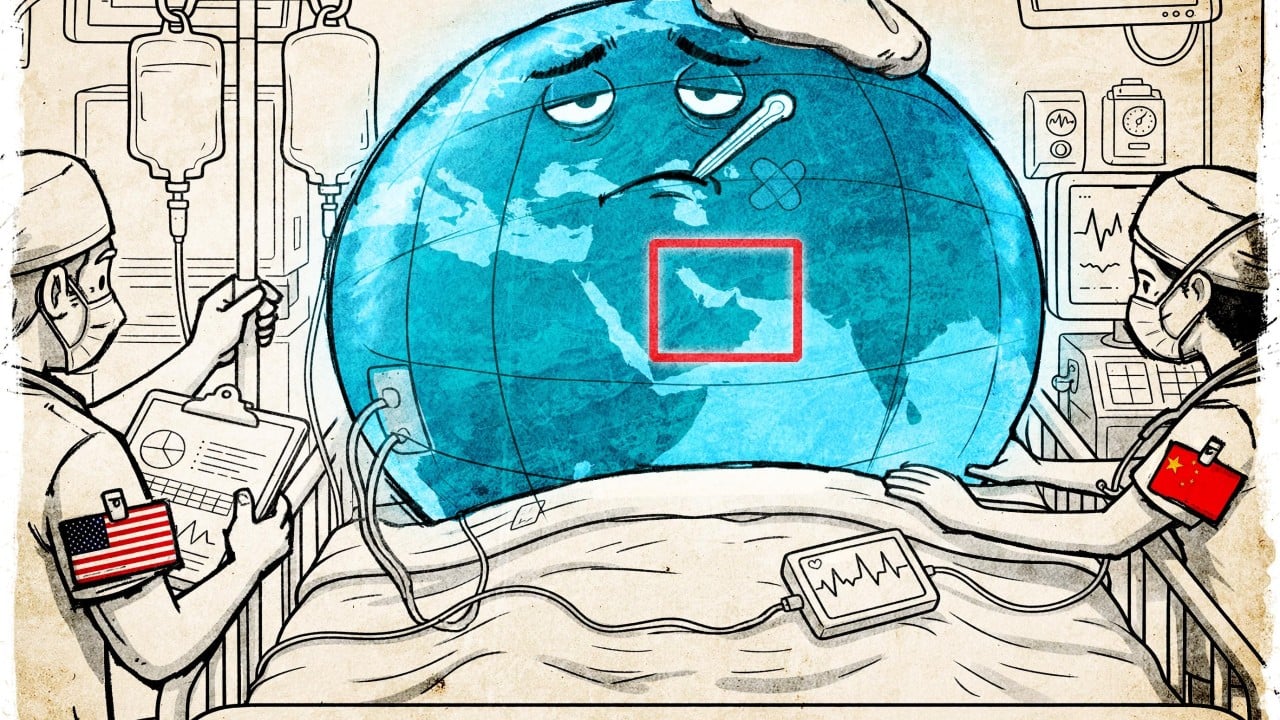
The recent tensions in the Strait of Hormuz remind us of how vital global maritime routes are for international commerce and stability. Over the past decade, armed conflicts, political tensions, and security risks have disrupted major shipping lanes, showing that a waterway doesn't have to be formally closed to cause problems. Ships can face military threats, attacks, higher insurance costs, sanctions risks, rerouting, or other conditions that make passage difficult or expensive.
Both China and the United States have a stake in maintaining free and safe passage through key waterways, which include the English Channel, Strait of Malacca, Strait of Hormuz, Panama Canal, and Suez Canal. Disruptions in these chokepoints can ripple through global markets, raising freight and insurance costs, delaying supply chains, and increasing energy prices.
China is especially reliant on the Strait of Malacca and Hormuz for its trade with regions like the Middle East, Africa, and Europe, while the US has its own interests in the global maritime system. Despite their disagreements on broader geopolitical issues, China and the US can still cooperate on practical matters like maritime safety, search and rescue, anti-piracy efforts, and preventing marine pollution.
Their shared goal should be to prevent key international waterways from becoming unsafe, overly expensive, or subject to arbitrary conditions imposed by coastal states or armed groups. Maintaining the free passage through these crucial routes is a shared interest, not a direct confrontation between the two global powers.
Written by urgent.news from Reuters Business via SCMP's reporting — not their text. Machine-written — may contain errors; check the original before relying on it.
This story
This is one outlet's version. Read the fullest account.