Hormuz Shipping Remains Subdued Despite Apparent Reopening
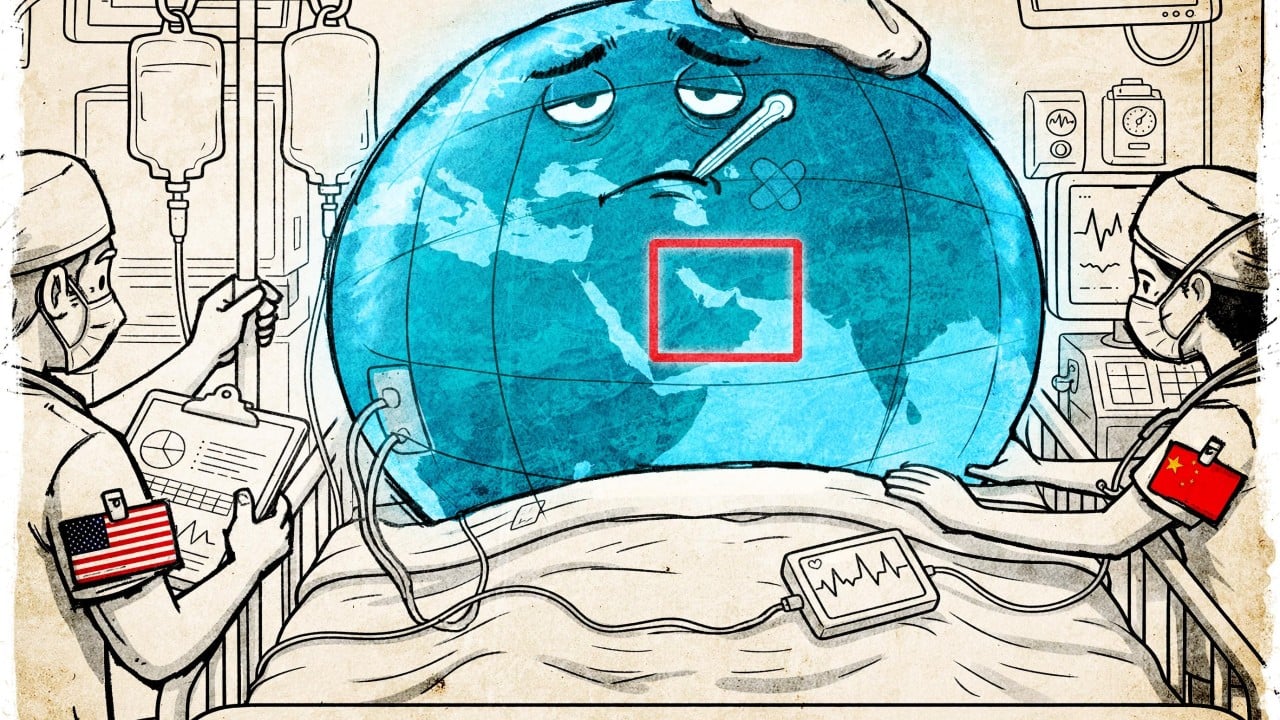
Politics, Geopolitics & Conflict Hormuz is “open”, but nowhere close to functioning normally. The U.S. has cleared mines from the internationally recognized shipping lanes and can technically get vessels through, but Iran’s military capability will still keep most commercial operators away. Only five commodity vessels crossed on Tuesday, compared to some 130 ships a day before the war. Iran is…
Hormuz remains largely inaccessible despite a superficial appearance of reopening. Though U.S. authorities have cleared mines from the crucial shipping lanes, Iran's military prowess still deters most commercial vessels from navigating the area. As a result, only five commodity ships traversed the channel on Tuesday, compared to the usual 130 per day prior to the conflict.
Iran is presently extending a temporary and limited corridor, contingent upon sanctions relief, the termination of U.S. blockades, and Israel's cessation of military operations in Gaza, Lebanon, and Syria. The latter demand is deemed insurmountable, given Washington's inability to guarantee Israel's cessation of military actions across three distinct fronts, and Israel's dubious commitment to comply at any point.
However, Trump has dismissed the idea of reverting to the June 2020 agreement, which granted Iran more concessions than the administration currently offers. The administration is banking on economic sanctions and the blockade to compel Tehran to adhere to more stringent terms. Iran, in turn, anticipates enduring the economic strain longer than the U.S. and Gulf nations can endure a crippled Hormuz.
Saudi Arabia reiterated its insistence on normalizing relations with Israel contingent upon the establishment of an independent Palestinian state, mirroring Trump's condition for the kingdom's nuclear deal with Washington. The U.S. has formally submitted the 30-year civilian nuclear agreement to Congress, initiating a 90-day legislative review period that could permit U.S. firms to export nuclear technology to Saudi Arabia.
The agreement also paves the way for domestic uranium enrichment under U.S. oversight after a two-year assessment, deviating from the UAE's model that prohibits enrichment altogether. Riyadh seeks nuclear power to reduce oil and gas consumption for electricity generation and preserve hydrocarbons for export, while Washington aims to channel U.S. companies in constructing Saudi Arabia's nuclear infrastructure rather than China or Russia.
Congress now awaits the resolution of the nuclear agreement. Trump requires a Saudi-Israeli normalization deal, which Riyadh insists necessitates a Palestinian state. Turkey is investing $2.4 million to bolster its lobbying efforts in Washington, as Ankara and Israel vie for U.S. regional policy influence. The Turkish Defence Ministry has engaged Ballard Partners, a prominent firm in Trump's political network, for $200,000 monthly to advocate for the administration and Congress.
Turkey's aspirations include reinstating its presence in the F-35 program and potentially disposing of its Russian S-400 system to eliminate the primary U.S. hurdle. However, Ankara's lobbying campaign unfolds amidst a more significant dispute with Israel over Syria. Israel seeks to prevent Turkey from establishing a more profound military footprint in Syria, whereas Washington supports Ahmed al-Sharaa and heavily relies on Turkey to assist in rebuilding and training the Syrian military.
Ankara has assembled a lobbying team with experience in addressing these issues, comprising former Democratic congressman Robert Wexler, a long-standing Turkey advocate with robust connections to pro-Israel circles, and former Trump National Security Council official Thomas Boodry. The Turkish team shares close ties with Trump White House Chief of Staff Susan Wiles and former Attorney General Pam Bondi, both of whom have previous affiliations with the firm.
Saudi Arabia has bypassed Crown Prince Mohammed bin Salman (MBS) and directly contacted Saudi King Salman, inviting him to a UN water conference in December. The letter also touched upon bilateral relations. Saudi and UAE diplomats perceive this move as an attempt to circumvent MBS, who governs the kingdom and handles major foreign relations.
Saudi Arabia has aligned itself with Turkey and Pakistan in the Mecca defence pact, while the UAE has cultivated a closer security partnership with Israel. Riyadh initially proposed resolving the Yemen dispute through Emirati national security adviser Tahnoon bin Zayed and Saudi Defence Minister Khalid bin Salman, yet this channel has yielded no tangible progress.
U.S. mediation has likewise fallen short, as planned visits to Abu Dhabi by senior American officials, including envoy Steve Witkoff, have been canceled. Meanwhile, King Mohammed bin Zayed is taking the dispute beyond MBS and engaging directly with his father. Canada announced retaliatory tariffs of up to 50% on nearly $20 billion of U.S. goods, effective from September 8, following the collapse of trade negotiations with Washington over the weekend.
Ottawa will match U.S. tariffs dollar for dollar, rate for rate, applying levies of 15%, 25%, or 50% to over 700 American products. This move follows Trump's imposition of 50% tariffs on approximately $20 billion of Canadian exports and his decision to escalate tariffs on Canadian vehicles, auto parts, and steel to 50% from January 2027.
Written by urgent.news from OilPrice's reporting — not their text. Machine-written — may contain errors; check the original before relying on it.