US and China must team up to keep maritime trade routes free and safe
With the end of the 60-day US-Iran memorandum of understanding, tensions in the Strait of Hormuz have flared again. The crisis in the strait highlights how the security and stability of key international waterways are becoming an increasingly urgent global concern. Over the past decade, major maritime routes have been affected by regional armed conflicts, geopolitical tensions and growing…
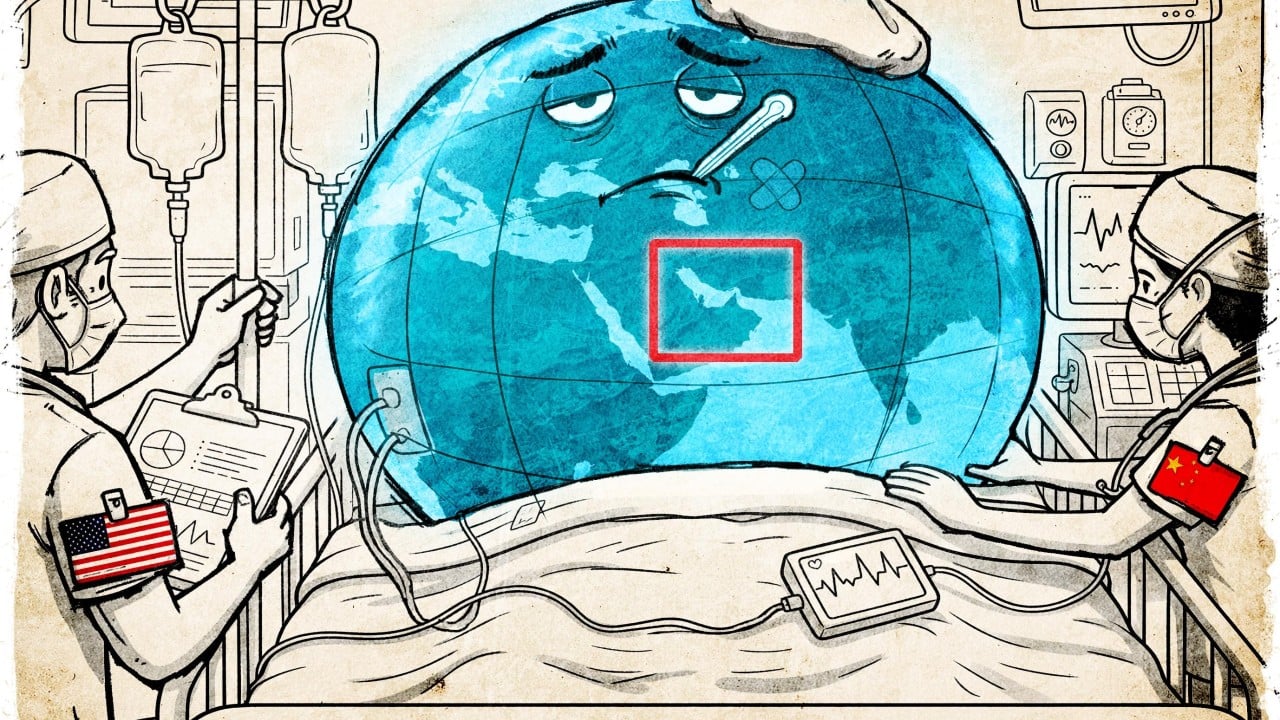
The recent tension in the Strait of Hormuz underscores the significant global concern over the security and stability of key international waterways. The past decade has seen numerous disruptions in maritime routes due to regional conflicts, geopolitical tensions, and rising security risks. While a waterway may remain legally open, ships can still face threats, attacks, higher insurance costs, sanctions risks, and forced re-routing.
This distinction is crucial for China and the United States, as global trade and energy transport heavily rely on a limited number of vital waterways such as the English Channel, Strait of Malacca, Strait of Hormuz, Panama Canal, and Suez Canal. Disruptions in these chokepoints can have far-reaching effects on global markets, raising freight and insurance costs, delaying supply chains, and increasing energy prices.
China, in particular, is heavily dependent on maritime transport for its trade and energy supplies, making the security of the Strait of Malacca and the Strait of Hormuz of utmost importance. The United States, while having a different energy structure and trade patterns, also faces economic costs and increased responsibilities in protecting global maritime security.
The crisis in the Strait of Hormuz highlights the need to move beyond the traditional "open" or "closed" waterway distinction, as military threats and political pressure can make certain passages economically unattractive. Both China and the United States have a stake in ensuring the safety, predictability, and accessibility of these critical maritime routes.
Their cooperation in this area does not necessarily require them to resolve broader security and geopolitical differences. Instead, focusing on practical issues such as maritime safety, search and rescue, protection of commercial shipping, maritime information sharing, anti-piracy efforts, and prevention of marine pollution can serve as areas for joint cooperation.
China's experience in the Gulf of Aden offers valuable insights, and the two nations should aim to prevent key international waterways from becoming unsafe, prohibitively expensive, or subject to arbitrary conditions set by coastal states or armed groups.
Written by urgent.news from South China Morning Post's reporting — not their text. Machine-written — may contain errors; check the original before relying on it.