'They are now athletes' - how do referees get ready for a season?
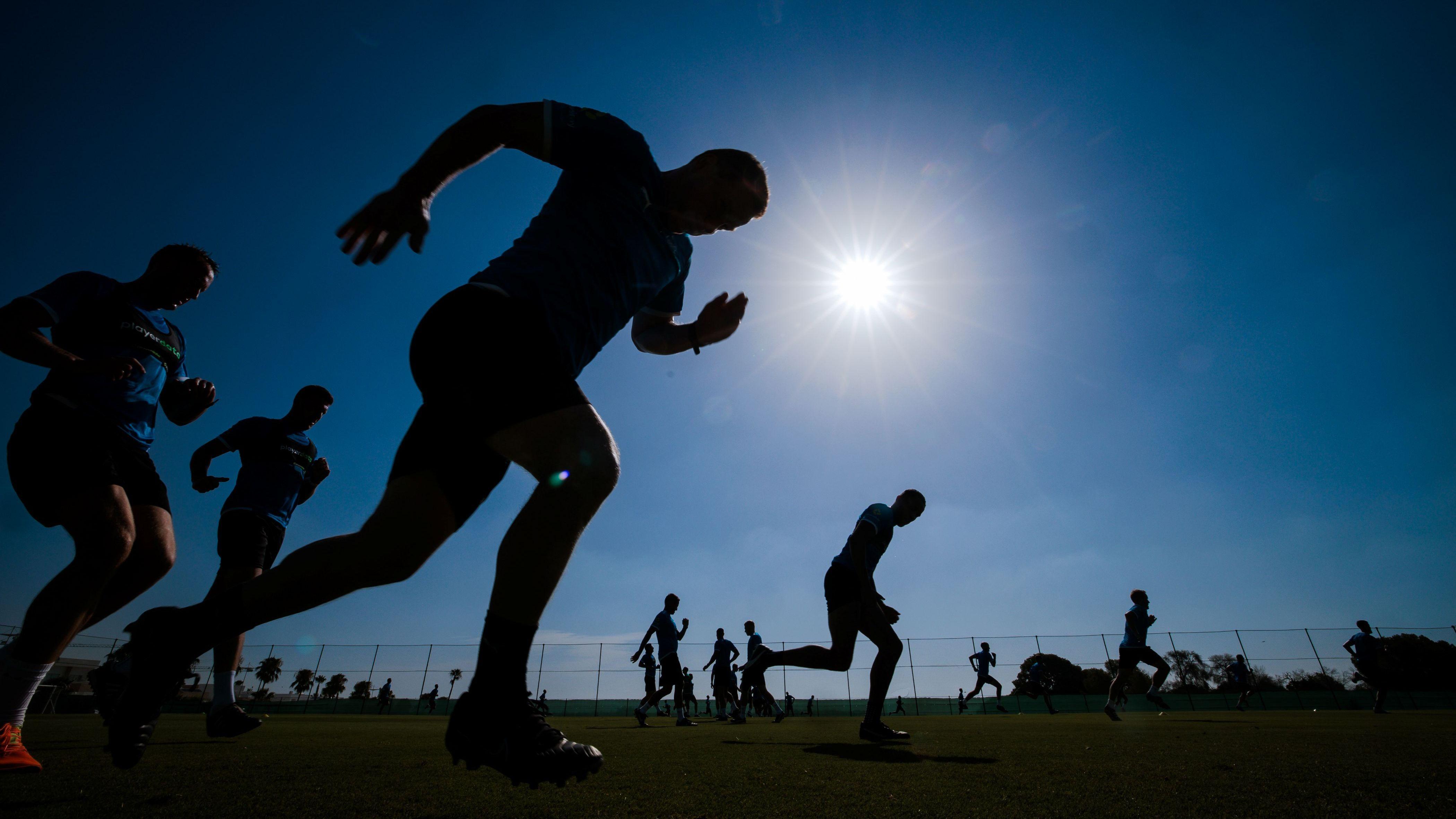
Pre-season camps in Spain and full-time training throughout the season - the rigorous regimes top-flight officials undergo to keep up with the pace of play in the Premier League

Referees understand that their decisions will be heavily scrutinised by fans, pundits and players alike, leading to endless debates throughout a season. To prepare, top officials belonging to the Professional Referee Group (PRG) gather regularly in Loughborough to train and work together. They maintain a healthy diet with options like chicken, teriyaki beef, tofu, vegetables, fruit and protein bars, reminding them of the demanding nature of their job. Since 2001, referrers have had to adapt to the increasing physical demands of the sport.
Sam Allison, a former player and current ref, highlights the full-time training that referees undertake, sometimes involving multiple sessions a day. He emphasizes that people often underestimate the workload and sacrifices required of referees. Allison, who also serves as the fourth official for Manchester City's match against Crystal Palace, explains that PRG officials prepare differently for each game, analyzing the opponents' tactics and adjusting their strategies accordingly.
Sam Barrott, another PRG official, is assigned to referee the early match between Liverpool and Nottingham Forest. He notes that different teams and tactics require distinct approaches to each game, with new substitutions and fresh legs potentially altering the flow of a match. Barrott highlights the importance of staying ahead of the demands, stating that the PRG continually strives to improve and match the demands of the Premier League.
Francis Bunce, the physical performance manager for PRG, stresses that referees are athletes, not just officials. He explains that referees possess high levels of physical qualities, comparable to those of professional players. Bunce asserts that the PRG officials are considered athletes and should be treated as such, even though they are generally older than the players on the pitch.
To monitor the physical demands placed on referees, they are equipped with heart rate and GPS technology, and work in groups to receive tailored strength and conditioning sessions. At the World Cup, officials such as Michael Oliver, Anthony Taylor, and others participated in special training, including running and cycling in hot chambers to prepare for the intense heat of the tournament.
In the 2024-25 season, referees collectively covered 3.6 million meters, with top performers covering more than 12,000 meters. The training pays off, as demonstrated by Barrott's experience of awarding a crucial late penalty, instilling confidence in the officials' ability to make decisive calls during high-pressure situations.
Written by urgent.news from BBC Sport Football's reporting — not their text. Machine-written — may contain errors; check the original before relying on it.
This story
This is one outlet's version. Read the fullest account.