'They are now athletes' - how do referees get ready for a season?
Pre-season camps in Spain and full-time training throughout the season - the rigorous regimes top-flight officials undergo to keep up with the pace of play in the Premier League

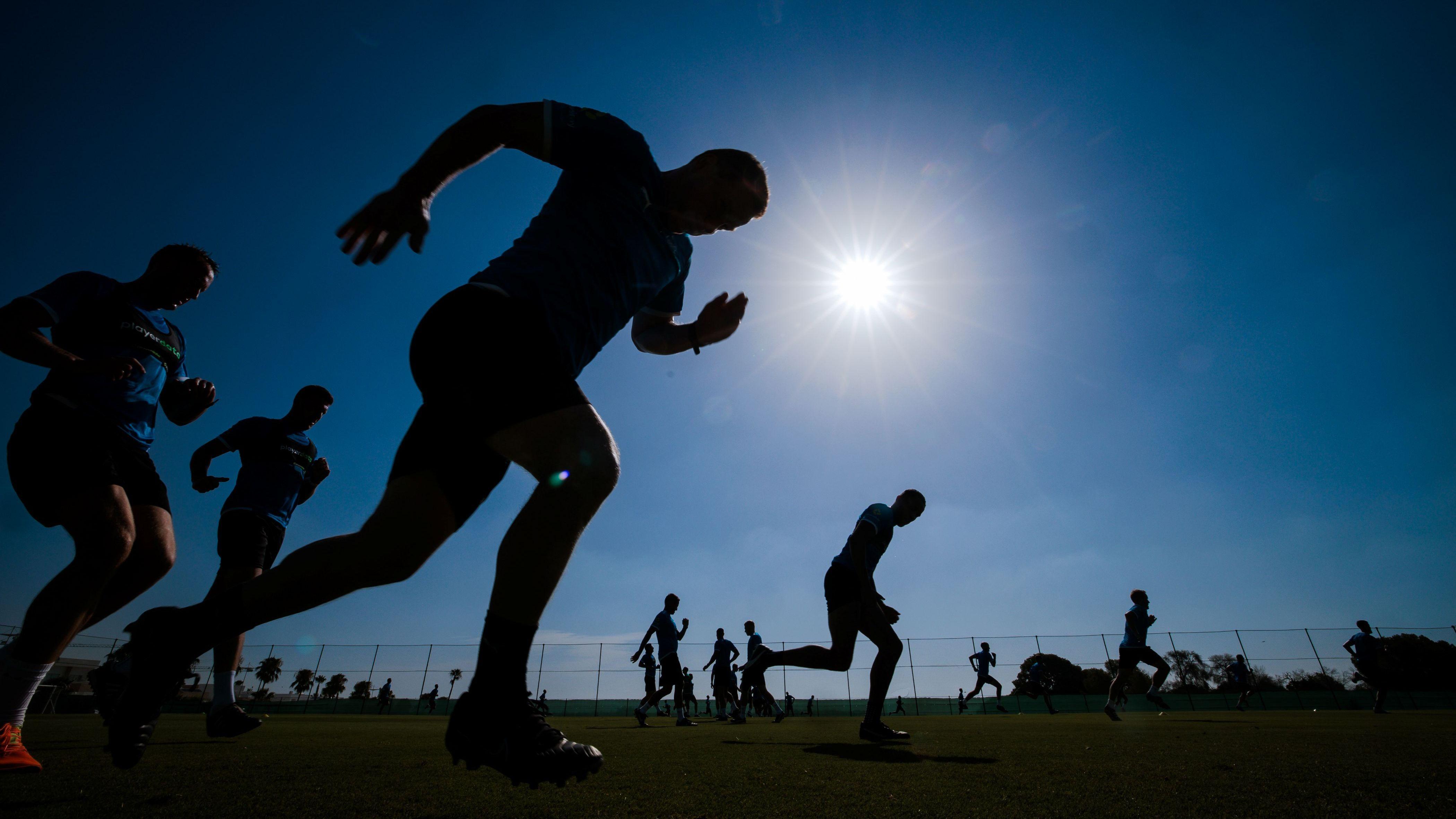
Referees are now considered athletes due to the intensive training and preparation required for their role. The Professional Referee Group, consisting of top officials in the country, meet regularly to train and work together. Lunch during meetings includes a variety of healthy options, reflecting the referees' commitment to maintaining their physical fitness.
Former firefighter Sam Allison, who played in the Premier League, emphasizes the significant amount of training referees undergo. He explains that referees now train full-time, often for two or three sessions a day, ensuring they are ready for the demands of a Saturday afternoon match. Allison points out that the public often misunderstands the referees' workload, believing they simply referee the game and then leave.
Sam Barrott, another professional referee, highlights the need for different approaches in each game due to varying teams and tactics. He works closely with Pro Ref's analysis team to understand the strategies of the teams involved, which helps them prepare for the upcoming match. Barrott also discusses the increased number of substitutions in modern football, which can change the momentum of the game.
Physical performance is a crucial aspect of a referee's preparation. Francis Bunce, the physical performance manager for Pro Ref, has been with the organization for 10 years and now focuses on the physical capabilities of referees. He notes that referees should be considered athletes due to their rigorous training and physical demands. Bunce mentions that referees undergo tests like the Maximal Aerobic Speed (MAS) test, which is considered the "infamous" test for referees.
To monitor the physical demands on referees, heart rate and GPS technology are used during training sessions. Referees collaborate in groups of around five, attending strength and conditioning sessions twice a week at local hubs. At the World Cup, referees like Michael Oliver and Anthony Taylor received special training to prepare for the intense heat in South Korea and Japan.
The hard work of referees pays off, as evidenced by an incident in a match between Brighton and Fulham in March 2025. Sam Barrott awarded a late penalty, leading to a 2-1 win for Brighton. He emphasizes the importance of building speed, high-speed running, and making accurate decisions while appearing calm and composed after an exhausting 90 minutes on the pitch.
Written by urgent.news from BBC Sport's reporting — not their text. Machine-written — may contain errors; check the original before relying on it.
This story
This is one outlet's version. Read the fullest account.