SpaceX Falcon Heavy rocket launching NASA's Roman Space Telescope on Aug. 30: How to watch it live
NASA's Nancy Grace Roman Space Telescope is scheduled to lift off atop a SpaceX Falcon Heavy rocket early Sunday morning (Aug. 30). Here's how to watch it live.
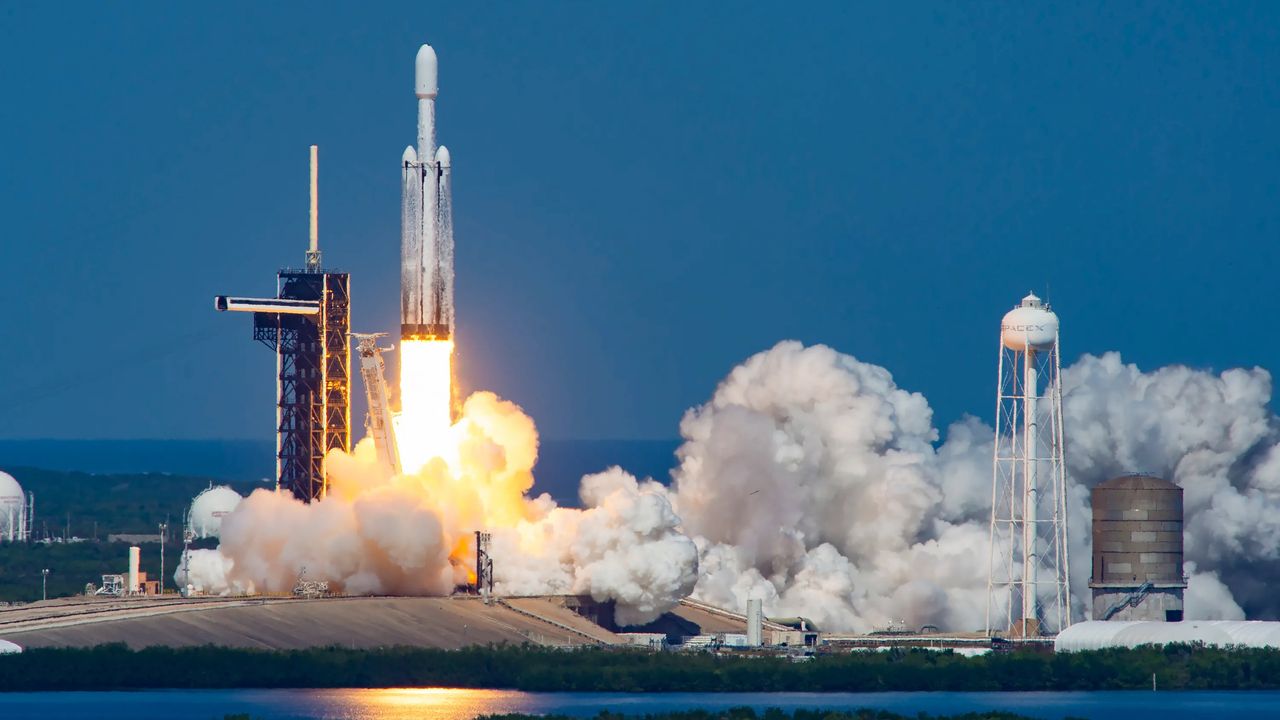
NASA's next great space observatory, the Nancy Grace Roman Space Telescope, is set to launch on Aug. 30 at 7:26 a.m. EDT from NASA's Kennedy Space Center in Florida. The launch will be carried out on top of a SpaceX Falcon Heavy rocket. Live coverage of the event will be available on Space.com starting at 6:20 a.m. EDT.
Prior to the launch, several prelaunch briefings and press conferences will take place on Saturday, Aug. 29. The science briefing, scheduled for 9 a.m. EDT, will delve into the telescope's ambitious goals, such as discovering thousands of exoplanets and providing new insights into dark matter and dark energy. A prelaunch press conference will follow at 10:30 a.m. EDT, with experts discussing the mission's readiness.
NASA Administrator Jared Isaacman is expected to perform a flyby of the telescope and rocket during the press conference.
On Sunday, Aug. 30, the actual launch will be the main event. After the launch, a post-launch briefing led by key personnel will be held at 9:30 a.m. EDT. They will likely discuss the upcoming 30-day journey of the telescope to its deep-space location at the sun-Earth Lagrange Point 2.
Written by urgent.news from Space.com's reporting — not their text. Machine-written — may contain errors; check the original before relying on it.
This story
This is one outlet's version. Read the fullest account.
- Unlocking cosmic secrets with NASA's new Nancy Grace Roman telescope cbsnews.com
- NASA is launching the Nancy Grace Roman Space Telescope. Here are just a few of the wonders it will reveal cbc.ca
- NASA telescope honors Nancy Grace Roman, architect of space-based astronomy phys.org
- NASA’s Roman Space Telescope could find alien Earths—but not like you think scientificamerican.com
- Who was Nancy Grace Roman? NASA's next big space telescope is named after the 'Mother of Hubble' space.com
- It was a spy satellite, now NASA's new telescope is set to head into space abc.net.au
- NASA’s new telescope will transform our view of the universe. This is the story of its namesake theconversation.com
- NASA’s new space telescope will reveal the universe like never before sciencenews.org