Six South Africans reported missing after Nepal - Tibet border floods
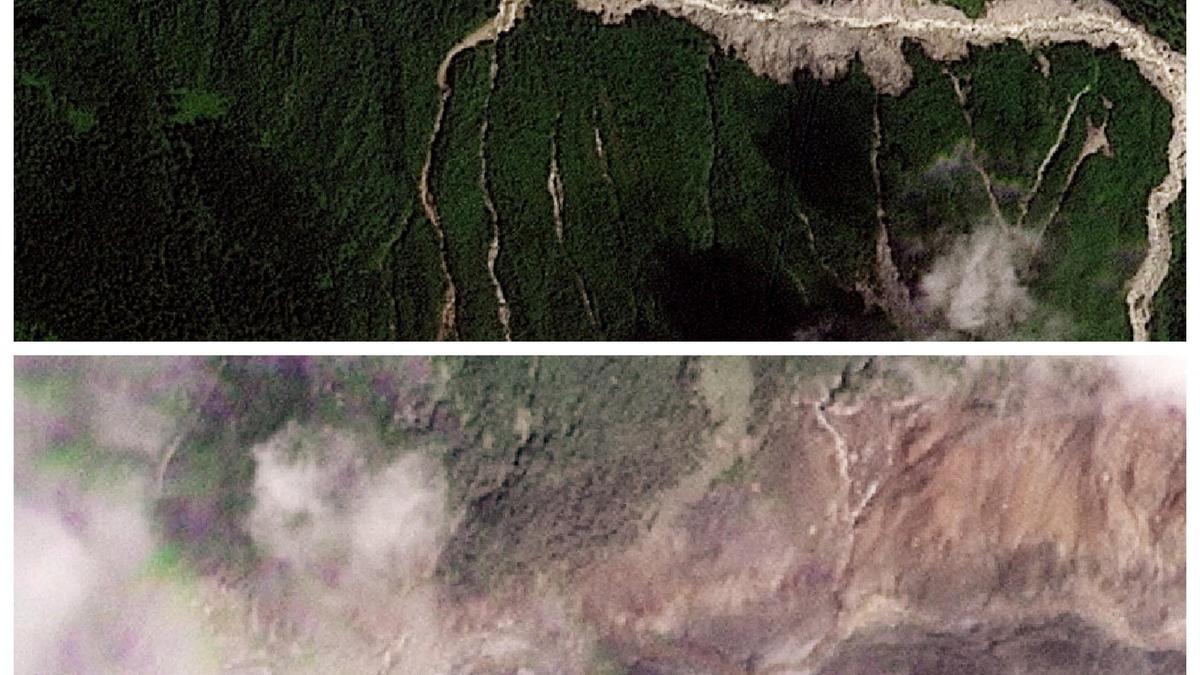
Six South Africans, including four residents of Ladysmith, have been reported missing after flash floods and mudslides struck the Nepal - China border area. Their families say they have been unable to contact them since Wednesday.

Six South Africans have been reported missing after flash floods and mudslides near the Nepal-Tibet border. The victims include four residents of Ladysmith and two couples from the area. Surendranath Maharaj, 74, and his wife Anitha Devi Maharaj, 67, were traveling on the Kailash Mansarovar pilgrimage route near Gyirong when the disaster struck.
Vivaganathan Pillay, 66, and his wife Janet Pillay, 56, also found themselves in the same predicament. Additionally, Bavika Ramjee, 33, from East London, and Terricia Govender, 33, of Isipingo Beach, are among the missing. The families of the Maharaj couple are particularly concerned due to Anitha's medical condition. She is diabetic and requires her insulin, raising fears about her health as time passes without her access to medication.
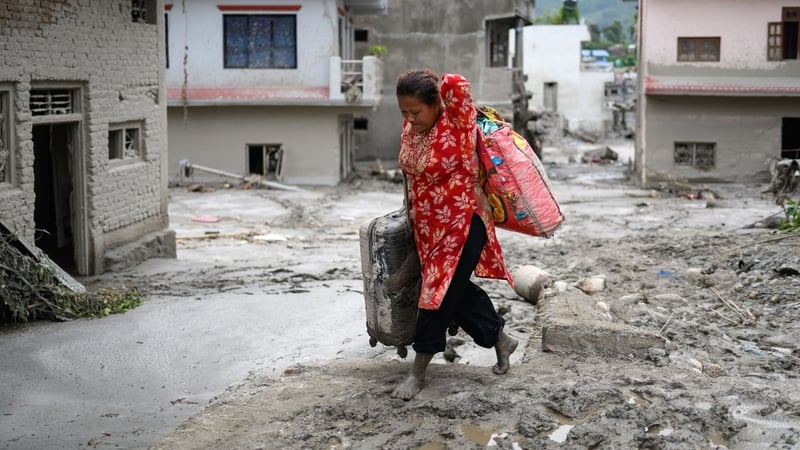
The missing persons' case has been further complicated by communication lines being down, making it difficult for families to reach their loved ones. Rescue teams are still searching for hundreds of people reported missing due to the catastrophic flooding that impacted communities and infrastructure on both sides of the Nepal-China border.
The families have appealed to the public to come forward with any information that could help locate their missing relatives.
Written by urgent.news from IOL's reporting — not their text. Machine-written — may contain errors; check the original before relying on it.
This story
This is one outlet's version. Read the fullest account.
- Nepal army races to rescue 100 trapped in hydropower tunnel after flash floods scmp.com
- Korea's Protestant church offer condolences to Nepal floods victims koreatimes.co.kr
- 'Waiting for news of Dad': Family seeks word on father amid Nepal floods nst.com.my
- At least six South Africans missing after Nepal - Tibet floods iol.co.za
- Nepal lists 51 Malaysians among 537 foreigners still out of contact after Himalayan floods malaymail.com
- After Nepal floods, a viral video shows humanity at its worst — stealing from a dead woman indianexpress.com
- What we know & don't know about Nepal floods economictimes.indiatimes.com