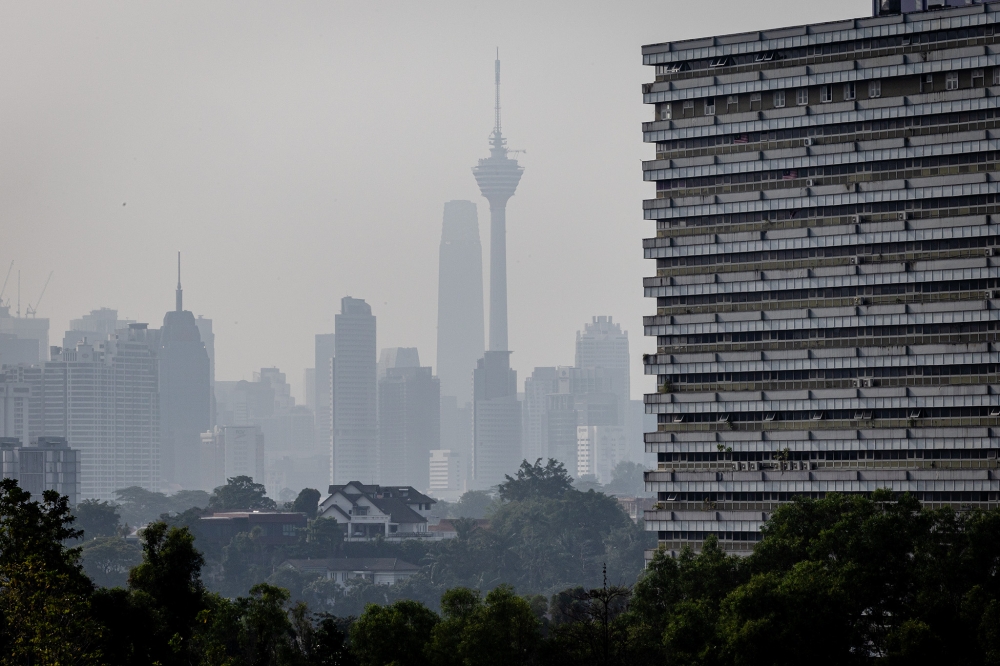
Nepal police release names of 23 Malaysians missing in deadly flood disaster
HYDERABAD, Aug 28 — The Nepal Police on Thursday released the names of those missing in the flood catastrophe, inc...
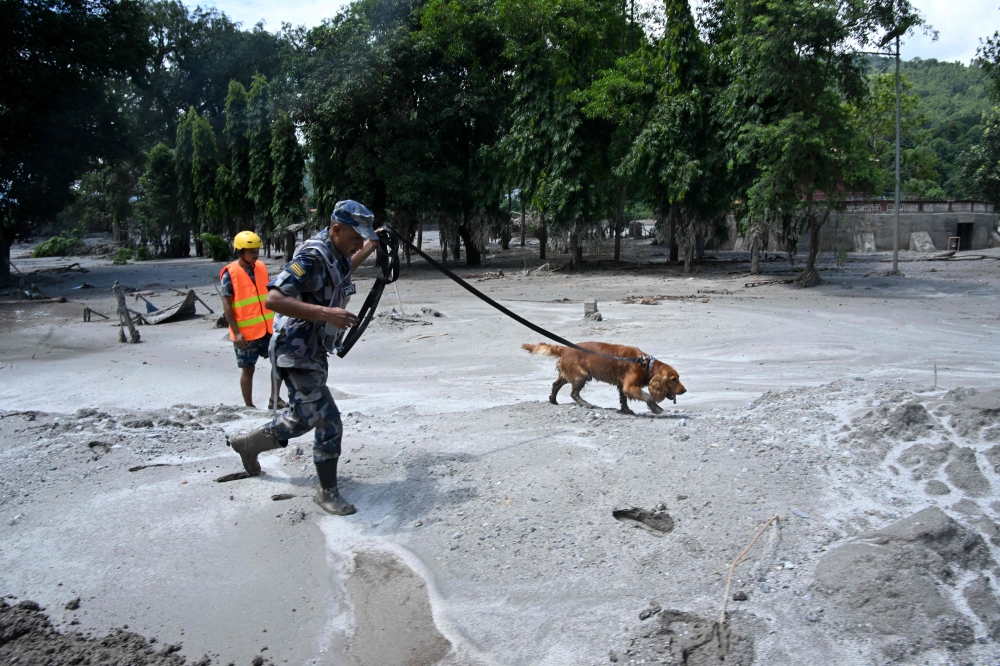
The devastating floods in Nepal's Bhotekoshi-Trishuli river area, already resulting in over 350 deaths, serves as a stark reminder of the region's vulnerability to major disasters. This is not unique to Nepal; similar events occurred in India over the past 15 years, including Kedarnath in 2013, Chamoli in 2021, Sikkim's South Lhonak lake in 2023, and Uttarakhand's Dharali last year.
Each disaster was triggered by a large and sudden release of water in mountainous rivers, either due to a breach in a glacial lake or the breakage of a large block of glacial ice into the river. These events can be spontaneous or caused by extreme rainfall, landslides, or earthquakes, leading to cascading events characterized by a mass of water, stones, and soil flowing downstream at high speeds, eroding riverbanks, destroying buildings, roads, and bridges, and further strengthening the force of the river with additional debris.
The situation continues until the river reaches a flatter landscape, allowing the raging flow to disperse. The Nepal event, triggered by a rock and ice avalanche, likely resulted from a large glacier block breaking off without heavy rainfall, ruling out that factor. A recent US Geological Survey report suggested the trigger was a glacial collapse and debris flow rather than an earthquake, which was initially believed.
This could mean a large chunk of snow broke off the glacier spontaneously, or from a glacial lake outburst, as no ice blocks were visible in the disaster videos. Experts suggest this might explain the lack of visible ice in the videos. The impact of such events depends on factors like geography, river incline, vegetation, population, and urbanization.
The Nepal disaster appears to be more severe than the Chamoli incident of 2021, which caused about 200 deaths, and more impactful than the Kedarnath tragedy of 2013, which was a Glacial Lake Outburst Flood (GLOF) event, resulting in even more fatalities. The Himalayan region's fragility makes it particularly risky, as these events often trigger cascading multi-hazard disasters involving landslides, flooding, and building collapses.
Written by urgent.news from The Indian Express's reporting — not their text. Machine-written — may contain errors; check the original before relying on it.
This story
This is one outlet's version. Read the fullest account.
- People from more than 30 countries missing after flash floods in Nepal, China koreatimes.co.kr
- Australia dispatches aid to Nepal as 39 citizens missing dailymaverick.co.za
- Fresh flood warnings for disaster-hit Nepal and Tibet, 1,400 still missing freemalaysiatoday.com
- Missing Malaysian climbers in Nepal are experienced group, says Fire and Rescue Dept chief nst.com.my
- Nine Singaporeans reported missing after floods sweep Nepal border area malaymail.com
- How the Nepal floods echo past disasters — and sound a warning for the future indianexpress.com