From dates and barley bread to honey and thareed, what did the Prophet Mohammed eat?
From dates and barley bread to honey and thareed, the foods the Prophet Mohammed is recorded as eating and favouring tell us as much about his modest character as they do about life in seventh-century Arabia. It was a time when people adapted to a harsh landscape through dates, grains, preserved meat and seasonal produce, turning what was available into dishes that also spoke of family,…
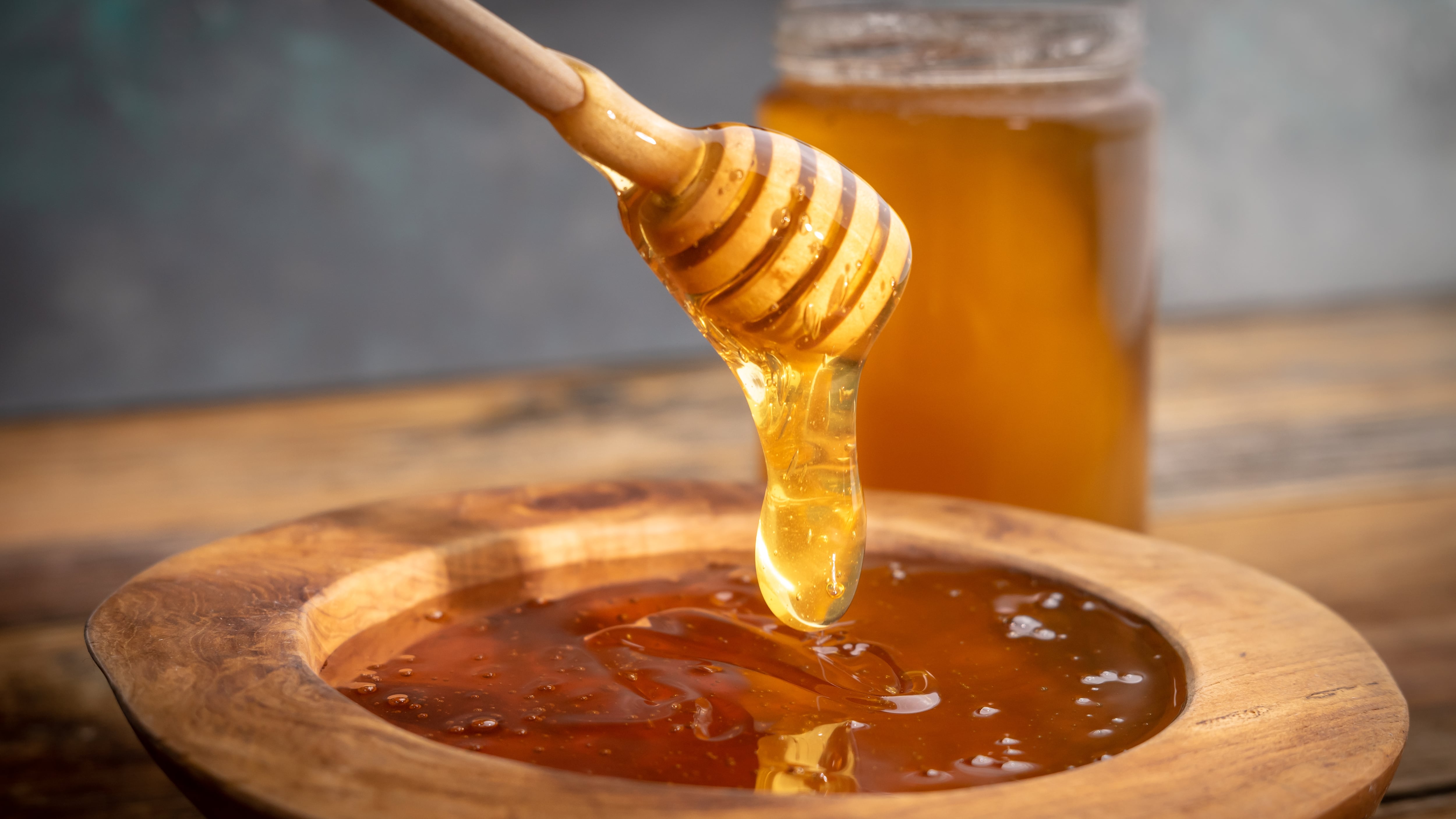
The dietary habits of the Prophet Mohammed, as documented in authenticated narrations, provide insight into the modest lifestyle of seventh-century Arabia. Dates, barley bread, honey, and thareed were among the foods frequently consumed, reflecting the harsh environment through staple ingredients like dates, grains, and preserved meat.
Thareed, a dish made by softening bread in broth with added meat, is particularly notable. It is still enjoyed across the region, with variations such as Emirati rigag bread soaked in lamb or chicken stew, Iraqi tashreeb with meat or vegetable broth, Moroccan trid and rfissa, and Levantine fatteh. Similarly, gourd and dried-meat broth, another preferred meal, used ingredients like squash-like vegetable dubba and qadid, which still appear in regional stews today.
Sweet treats were also a part of the Prophet's diet. Aisha, his wife, noted his enjoyment of honey and sweet food, with possibilities including sidr honey, a historical delicacy from the Arabian Peninsula. Dates with fresh butter were another favorite, appearing in Sunan Abi Dawud as a visit to companion Abdullah ibn Busr's home, where they were among his favorite foods. Modern adaptations include Emirati hanini, a date and butter dessert at Michelin-listed restaurants.
Rutab, or soft summer dates, were specifically mentioned by Abdullah ibn Ja far, describing the Prophet eating them with cucumber-like faqous. Rutab remains a summertime specialty in the Gulf. Barley bread was a regular part of the Prophet's diet, reflecting the available grains and humble circumstances. Sahl ibn Saad described the manual grinding of barley, highlighting traditional methods still practiced.
Vinegar, described in Sahih Muslim as a condiment eaten with bread, was valued for its flavor and simplicity. It continues to be a staple in regional cooking, utilized in pickles, torshi, and pickled turnips. Hais, a sweet dish featuring dates, aqit, and clarified butter, was also a feast item after the Prophet's marriage to Safiyya. Today, similar sweet dishes like Emirati bathietha, combining dates, flour, and ghee, illustrate the enduring influence of these culinary traditions.
Written by urgent.news from The National UAE's reporting — not their text. Machine-written — may contain errors; check the original before relying on it.
This story
This is one outlet's version. Read the fullest account.