Diesel’s desire: an engine for everyone
For someone who wished to build an engine for everyone, August turned out to be an auspicious month. On August 10, 1893, Rudolf Diesel’s prime model was powered on its own for the first time. Five years later, on August 9, 1898, Diesel obtained a U.S. patent titled “Internal-combustion engine”. Join A.S.Ganesh as he tries to explain what fuelled Diesel’s desire…
Rudolf Diesel, a French-born German engineer and inventor, is best remembered for the engine that bears his name. His desire to create an engine for everyone drove him to spend his life perfecting his invention. In the 19th century, steam-powered engines were the norm, but Diesel saw an opportunity to create a more efficient engine that could be accessible to smaller players with lower budgets.
His dream was to build an engine that would convert more heat into work than existing steam and gasoline engines, which only converted about 10% of heat to useful work at the time.
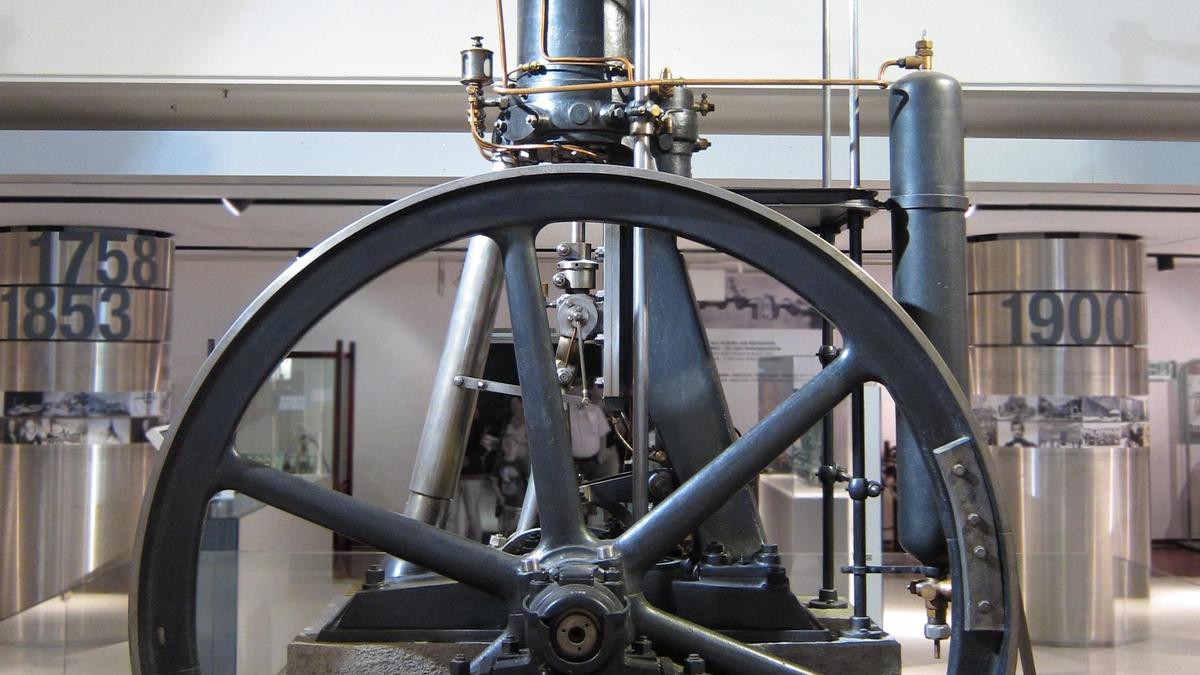
Diesel's journey to success was not without challenges. He faced setbacks, such as an explosion during testing of one of his engines, but he continued to experiment with different engine designs. His breakthrough came in 1893 when he successfully ran a 10-foot iron cylinder engine on its own power for the first time in Augsburg, Germany. This engine laid the foundation for his future work, and he continued to refine the design over the next few years.
In 1895, Diesel filed for a U.S. patent for his internal-combustion engine, which was completed by 1898. By this time, he had demonstrated a more powerful four-stroke engine with a theoretical mechanical efficiency of 75.6%, making it significantly better than its rivals. Although the engine only converted 26.8% of heat contained in the fuel into effective power in reality, it was still an impressive improvement.
Diesel's innovation was not limited to petroleum diesel, which is derived from crude oil. He designed his engine to use a variety of fuels, including peanut oil, coal dust, and vegetable oils, believing that vegetable oils could become an important source of fuel and help develop poor, agricultural economies. Diesel's vision of an engine for everyone ultimately led to his invention powering automobiles, commercial vehicles, lorries, and locomotives, as well as passenger cars, to this day.
Written by urgent.news from The Hindu - Sci-Tech's reporting — not their text. Machine-written — may contain errors; check the original before relying on it.