Die Bauern von Sambia und die «chinesische Mineralienmafia»: Reportage über eine Umweltkatastrophe, die zum Spielball der Geopolitik wurde
In Sambia bricht der Damm einer chinesischen Mine, vergiftet Felder und Flüsse. Es ist eines der womöglich schwersten Minenunglücke, die es je gab. China schweigt – die USA geben sich empört.
In Sambia, a catastrophic environmental disaster has emerged, rooted in a Chinese mining operation gone awry. On February 18th, 2025, a dam broke at a Sino Metals mine, unleashing tons of toxic water containing arsenic, cyanide, and various heavy metals onto nearby fields and the country's main river. This disaster may be one of the most significant mining accidents in history, according to the United States. Despite the severity, the Chinese government remains silent, while the U.S. expresses outrage.
The Sino Metals mine, located in a region known as the Copper Belt, is one of Africa's richest in terms of critical minerals, such as copper, cobalt, and coltan. These metals are essential for manufacturing solar panels and batteries used in electric vehicles. As Sambia grapples with the aftereffects of the mining boom, both the Chinese and U.S. governments vie for control over the region's mineral resources.
The country, which is heavily dependent on commodities, aims to triple its copper production within the next five years under the leadership of Sambian Chamber of Mines' Sokwani Chilembo.
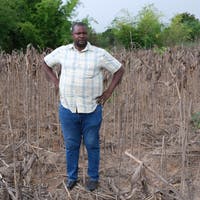
However, the environmental disaster has transformed into a political issue, with the affected farmers, like Bernard Njovu from Kalusale, calling for decisive action. Njovu, who has worked in the mining industry, now finds himself advocating for his community's rights amidst the chaos. Despite receiving a paltry compensation of 800 Swiss francs for the damages suffered, he remains resolute in his quest for justice.
As the nation looks towards a future driven by mineral resources, questions linger about the true cost of this boom for Sambia's people.
Written by urgent.news from NZZ Wirtschaft's reporting — not their text. Machine-written — may contain errors; check the original before relying on it.