Commentary: Nepal‑Tibet disaster - when a crisis strikes before communities recover from the last one
If another hazard arrives before systems have recovered, it encounters a place with less resilience and a weakened infrastructure, say two researchers.
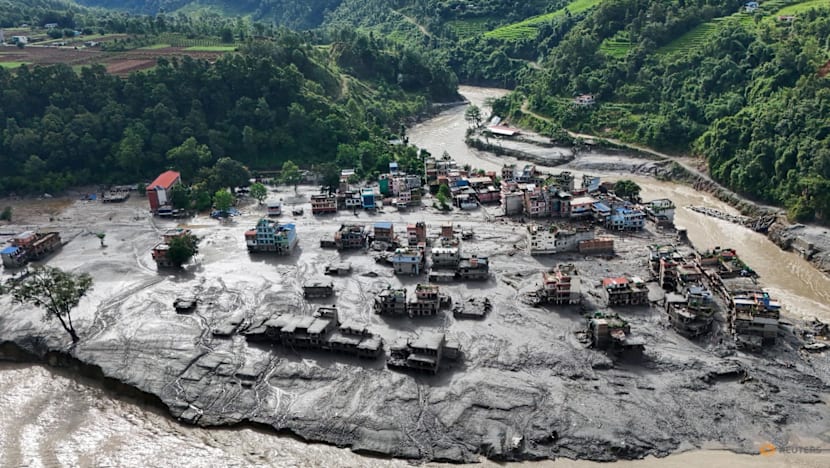
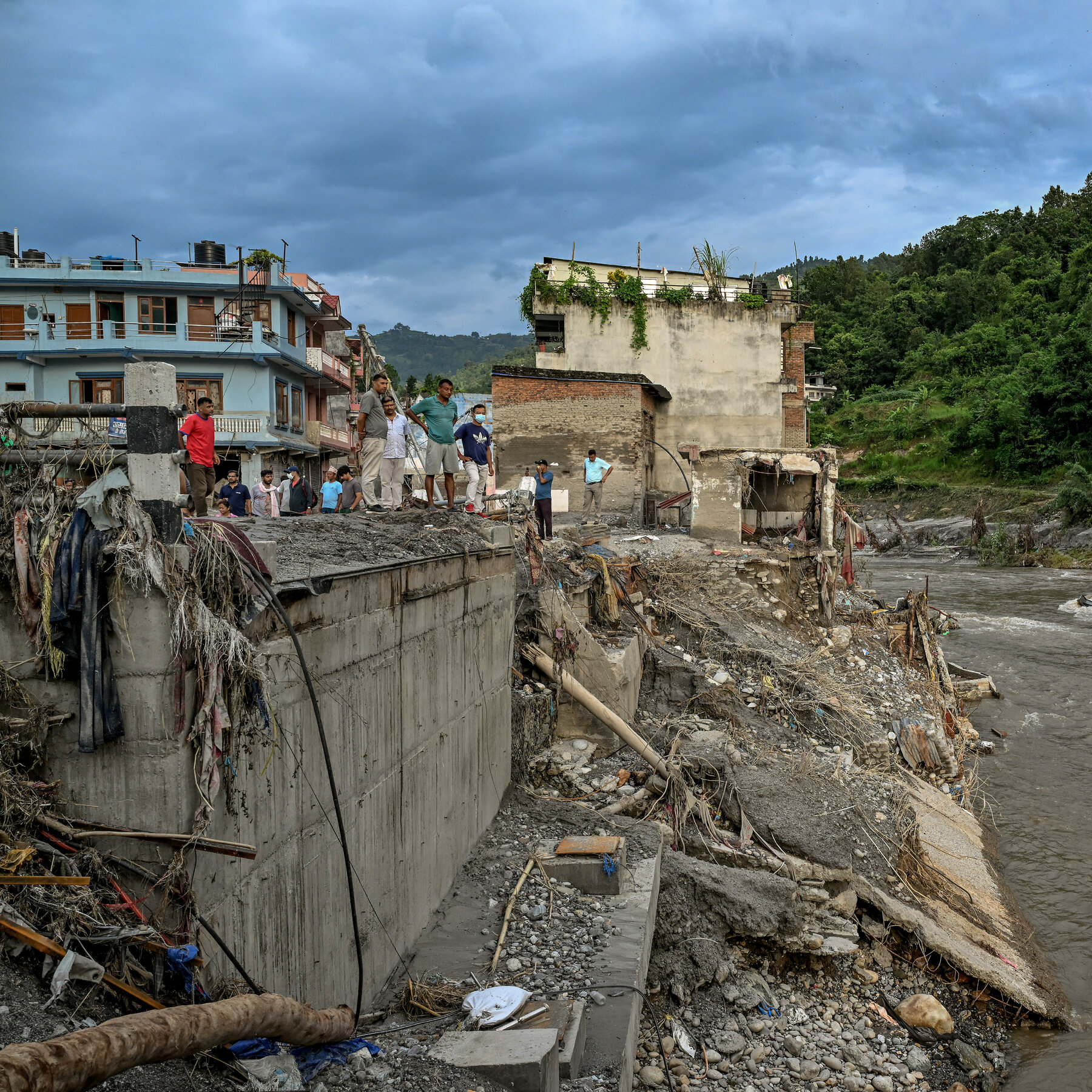
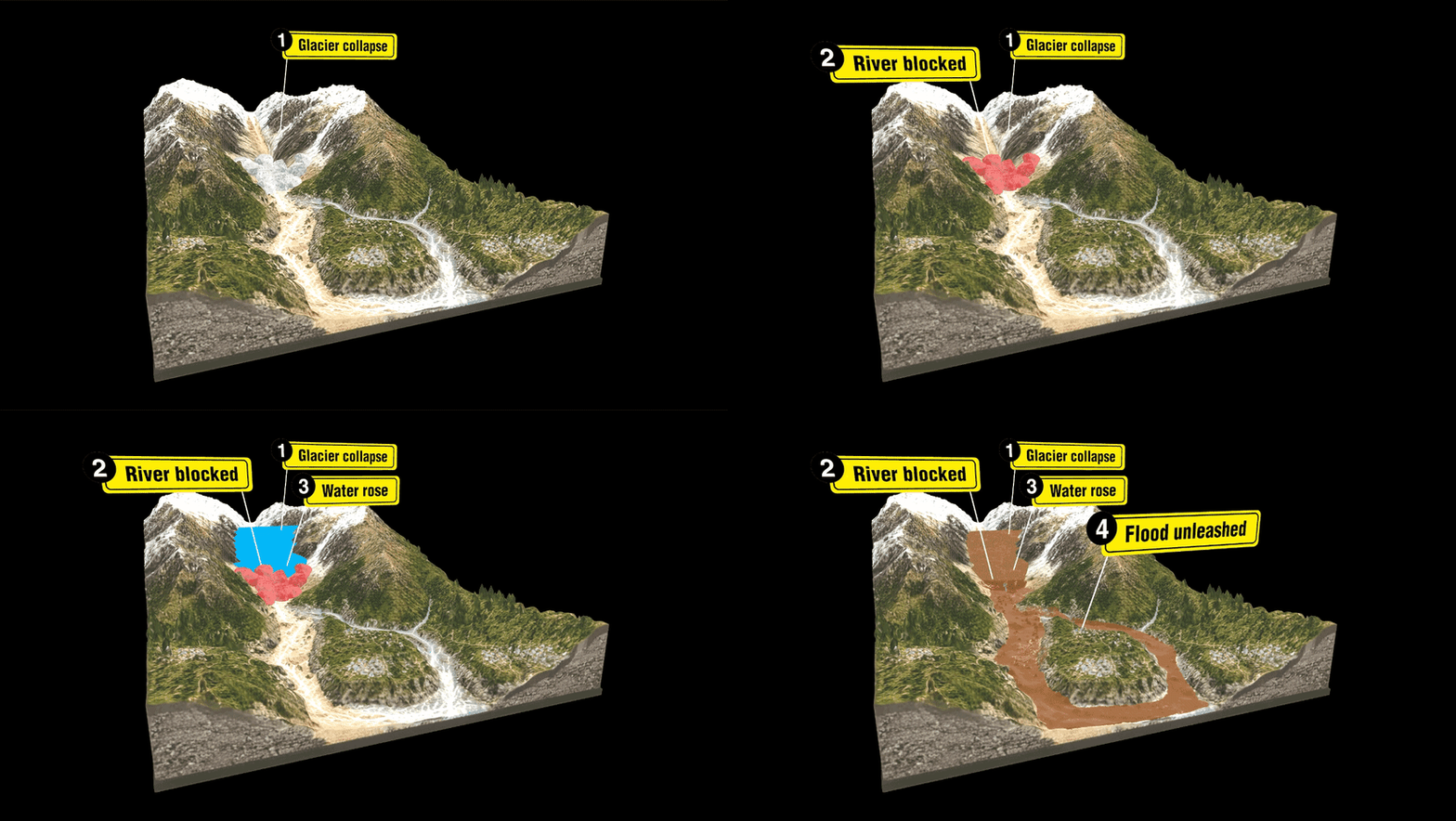
Two experts warn that new hazards can strike communities still recovering from previous disasters, finding a place with less resilience and weakened infrastructure. Major flash floods on the Nepal-Tibet border have destroyed homes, roads, bridges and hydropower projects, killing over 500 people and leaving 50,000 residents affected.
This region had not fully recovered from floods in 2025 that killed nine and damaged a "friendship bridge." Similarly, Sri Lanka has experienced floods and landslides on top of recent damage from Cyclone Ditwah just nine months prior. In Sri Lanka, more than 15,000 people were affected and 6,800 displaced this August. Disaster risk usually measures how severe the next hazard will be, but these examples show another critical dimension: the speed at which a community can recover and whether it can do so before the next disaster strikes.
Recovery is not a simple yes or no, but a sliding scale. While some aspects may return quickly, others such as rebuilding homes or stabilizing displaced populations can take years. Incomplete recovery between disasters can lead to substantially higher long-term losses, as seen in the Philippines where losses increased by 40% between 2000 and 2018 due to insufficient recovery.
Climate change may exacerbate this issue by changing the frequency or severity of extreme weather events, making recovery intervals critical. Governments must track not just immediate losses but also ongoing vulnerability, including housing, infrastructure, business activity, household finances, public services, and displacement.
The impact of disasters is interconnected, with roads and electricity systems weakened by one event potentially crucial for future emergencies. Risk assessments should consider how different hazards might sequence and how critical systems may be affected when another disaster strikes.
Written by urgent.news from Channel News Asia's reporting — not their text. Machine-written — may contain errors; check the original before relying on it.