Wild pigs and pampered pooches: Hong Kong’s complex relationship with animals
“Some we love, some we hate, some we eat,” was the title of a best-selling exploration of the relationship between humans and animals, with subtitle “Why it’s so hard to think straight about animals.” The spectrum actually goes much wider than love, hatred and food. It includes animals as tourist attractions, animals as a mechanism […]
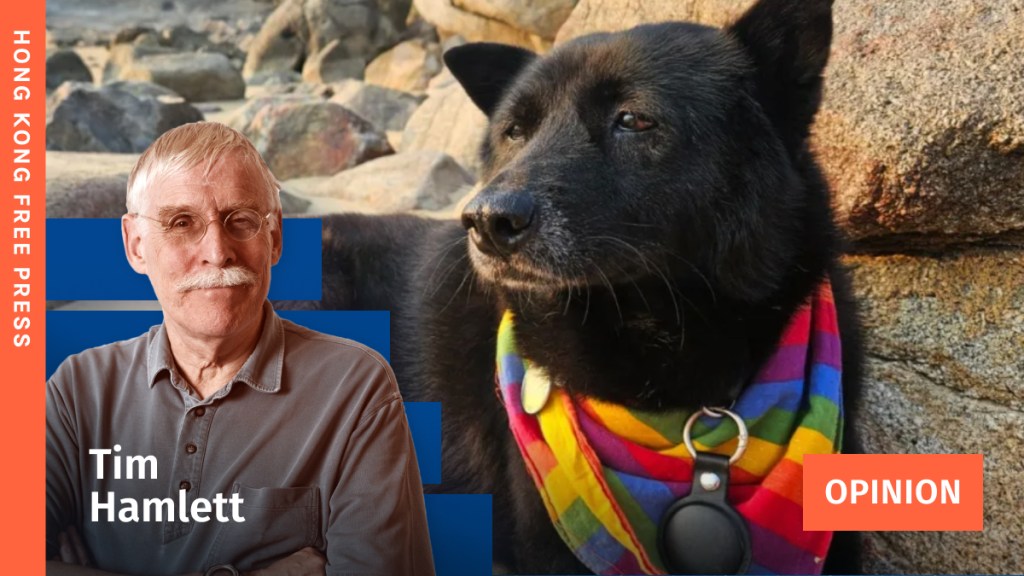
Hong Kong's relationship with animals is a complex one, encompassing a range of sentiments and uses. From the best-selling book "Some we love, some we hate, some we eat," which explores the intricacies of our interactions with animals, it is evident that our feelings towards them can be quite diverse. This includes animals as tourist attractions, gambling mechanisms, laboratory subjects, and even workers.
However, within this spectrum, there is also coexistence, such as the poignant scene in Clarkson's Farm where livestock farming paradoxically involves loving animals before sending them to be killed.
The government's stance towards dogs presents a similar ambiguity. Traditionally, there was strong disapproval evident through licensing mainly for rabies vaccinations. Public spaces and housing were off-limits for dogs, creating a clear boundary. This attitude seemed to soften when restaurants were allowed to permit dogs, coinciding with the emergence of dog strollers for easier mall visits.
Nevertheless, recently, the relationship has become complicated again. Two incidents involving dogs have sparked controversy: one resulted in the fatal mauling of other dogs, and the other involved the death of a dog hotel owner. In response, the Agriculture, Fisheries, and Conservation Department emphasized safety guidelines, recommending that dogs over 20 kg be walked on a leash not exceeding two meters.
This recommendation, however, is based on misconceptions about dog behavior, assuming large dogs are more aggressive while short leashes provide better control.
Additionally, the tragedy of a dog named Wang Wang, whose cruel death sparked widespread public mourning, has drawn the scrutiny of Hong Kong's national security authorities. Those who publicly mourned Wang Wang faced unwanted attention, adding a layer of complexity to the issue. Meanwhile, the issue of wild pigs in Hong Kong has also undergone significant changes.
Initially managed through hunting teams that shot nuisance pigs, the approach shifted towards tranquillising and neutering them for safe return to the wild. However, this strategy has proven ineffective, as wild pigs are resilient and reproduce rapidly. In 2021, the policy further evolved after a wild pig bit a police officer, leading to a decision to "euthanise" or "dispatch" wild pigs, a drastic change in handling these animals.
Written by urgent.news from Hong Kong Free Press's reporting — not their text. Machine-written — may contain errors; check the original before relying on it.
This story
This is one outlet's version. Read the fullest account.