Malaysia must watch the Israel –Turkey fault line in Syria closely too — Phar Kim Beng
AUG 27 — Malaysia has every reason to watch Gaza closely. But Kuala Lumpur should not allow the continuing tragedy...
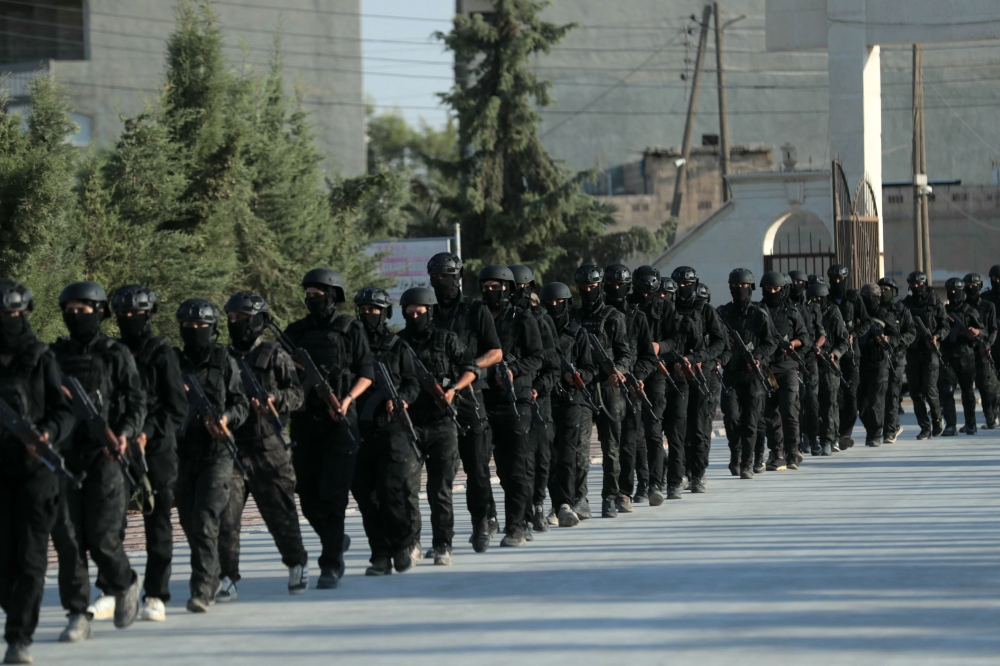
Malaysia must closely monitor the growing strategic tension between Israel and Turkey in Syria, says former Malaysian ambassador Phar Kim Beng. The August 18 Israeli strikes on Syria's Abu al-Duhur airbase in Idlib, while limited militarily, were strategically significant because Israel's presence of concern was the alleged presence of Turkish troops at the facility.
Turkey denied this and condemned the attack, describing it as an assault on Syria's infrastructure, territorial integrity and unity. Turkey is a major military power, a NATO member and an influential Muslim world state. An Israeli-Turkish confrontation would be qualitatively different from many of Israel's previous military engagements.
The United States is working towards a deconfliction mechanism involving all three countries due to the potential for misunderstandings between armed states to have serious consequences. Malaysia must analyze Israeli behavior beyond the Palestinian question, as the regional security architecture is changing. Turkey has emerged as a principal external supporter of Syria's new government, seeking a stable Syrian state and greater influence over its reconstruction.
Israel, on the other hand, aims to prevent the emergence of military infrastructure in Syria that could restrict its freedom of action. These strategic objectives can collide even without either country wanting war. The United States, having relationships with both countries, is attempting to reassure Israel, maintain its NATO relationship with Turkey, and stabilize Syria.
Malaysia should encourage deconfliction rather than just observing events. Instability involving Turkey would reverberate throughout the Muslim world, Malaysia has substantial ties with Turkey, and the episode highlights the importance of state sovereignty and territorial integrity in international order. The Middle East is becoming increasingly multipolar, with Saudi Arabia, Turkey, Iran, Israel, Pakistan, Qatar, the United Arab Emirates, China, Russia, and the United States all developing overlapping networks of influence.
Malaysia needs a wider strategic map of West Asia, including Palestine, Syria's sovereignty, Turkey's security concerns, Gulf stability, and preventing conflicts among major regional powers.
Written by urgent.news from Malay Mail's reporting — not their text. Machine-written — may contain errors; check the original before relying on it.
This story
This is one outlet's version. Read the fullest account.