Tsunami of dirt: what caused Nepal’s deadly glacial flood?
The glaciers of the Himalayas aren’t safe from climate change. The sudden collapse of a glacier looks to have triggered disaster in Nepal.
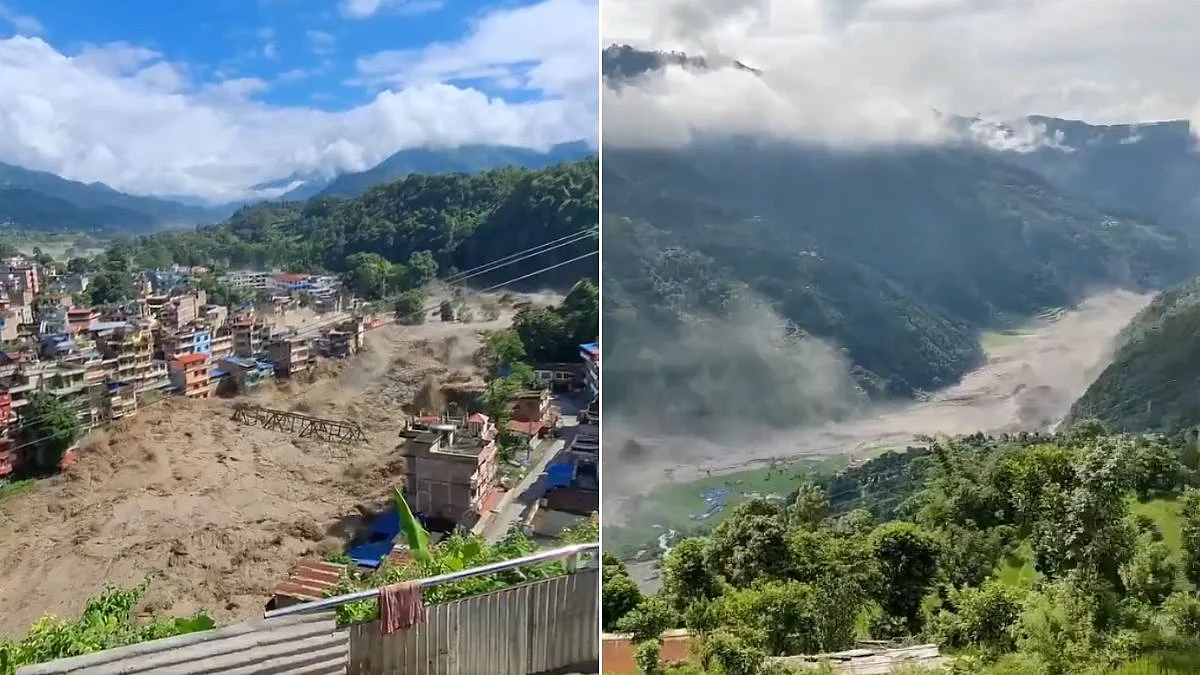
More than 150 people lost their lives and hundreds more are still missing after a massive surge of water, ice, mud, and debris swept down the Bhote Koshi River valley in Nepal. The valley serves as a crucial link between Kathmandu and Lhasa. Little warning was given before the flash flood, which left a shocking trail of destruction.
Experts believe an abrupt collapse of a glacier likely initiated the disaster, though they are still investigating the exact cause. Climate change is intensifying, causing glaciers worldwide to melt and contribute to disasters like these, especially in vulnerable regions like the Himalayas. There, permafrost – permanently frozen ground – is becoming destabilized due to rising temperatures.
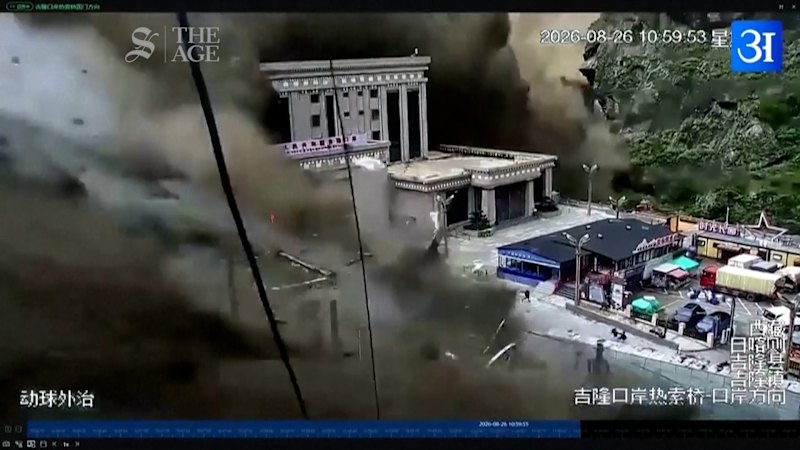
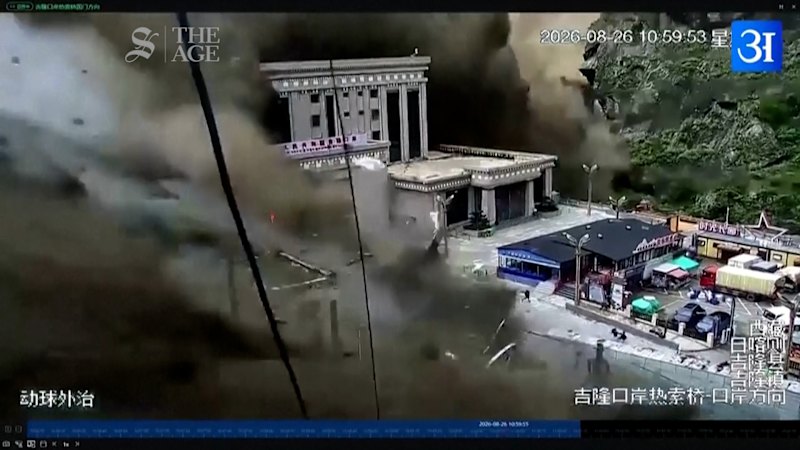
If an earthquake or slope failure occurs, it can trigger a sudden and devastating debris flow. Early estimates suggest the wave may have reached heights of 30 meters. The landslide was initially mistaken for an earthquake with a magnitude of 4.4 on seismographs. At the China-Nepal border crossing of Gyirong Port, the debris wall resembled a tsunami of dirt.
While an earlier glacial lake outburst flood occurred in Nepal in 2024, early analysis indicates that was not the cause of this disaster.
Written by urgent.news from The Conversation AU's reporting — not their text. Machine-written — may contain errors; check the original before relying on it.
This story
This is one outlet's version. Read the fullest account.
- Lee to hold emergency meeting to discuss rescue efforts for Koreans missing in Nepal flood koreatimes.co.kr
- Tsunami of dirt: what caused Nepal’s deadly glacial flood? asiatimes.com
- Tsunami of dirt: What caused Nepal's deadly glacial flood? phys.org
- Rescuers search for survivors after devastating Nepal flood bangkokpost.com
- US and Canada pledge emergency aid as Nepal flood death toll reaches 160 thevibes.com
- Tsunami of dirt: What caused Nepal’s deadly glacial flood? thehindu.com
- EU activates satellite surveillance system to aid Nepal flood recovery malaymail.com
- Lee to hold emergency meeting to discuss rescue efforts for S. Koreans missing in Nepal flood en.yna.co.kr