Scientists rescued platypuses from drought; they readapted within days
Following a five-month recovery from severe drought conditions, platypuses were reintroduced to their original habitats. In an eighteen-month study, researchers tracked their activities as they reintegrated into the wild. The animals displayed quick adaptation, rediscovering their typical movement patterns and preferred foraging spots, thereby emphasizing the importance of effective conservation…
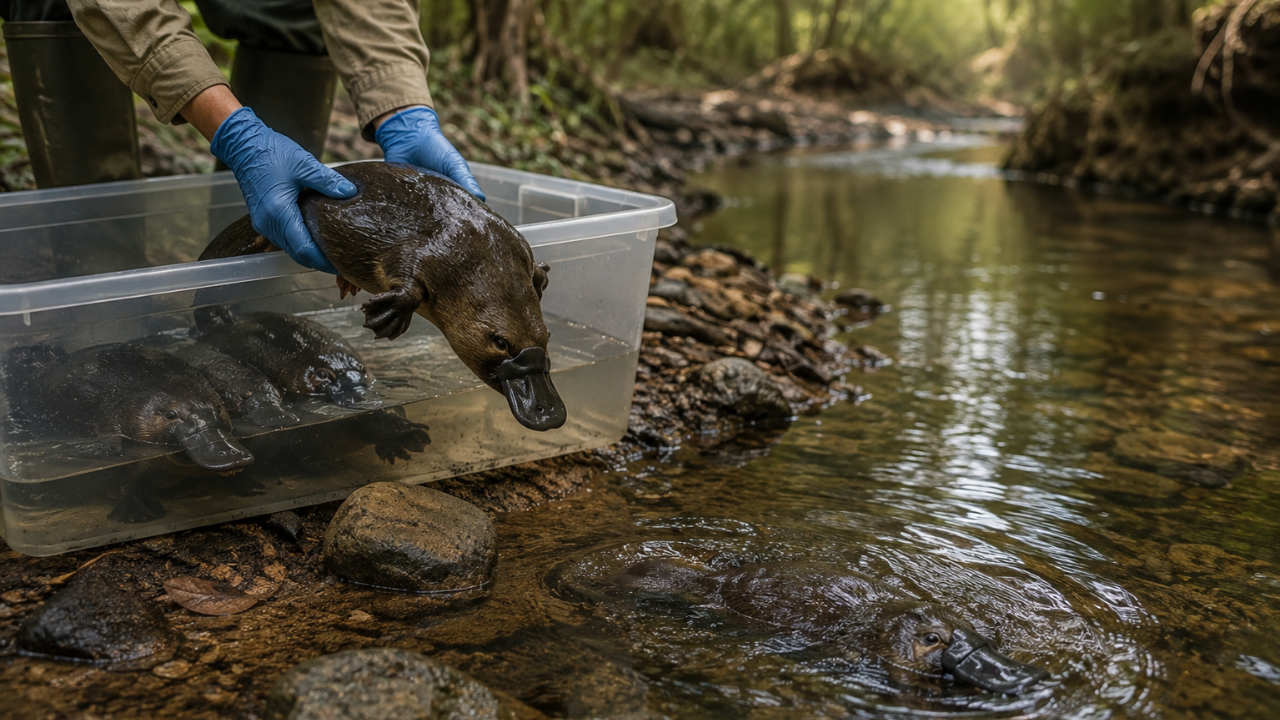
During Australia's severe drought from 2017 to 2019, seven platypuses were rescued from Tidbinbilla Nature Reserve near Canberra and placed in temporary care at Taronga Zoo. Conservationists feared the animals would struggle to survive as their habitat became increasingly dangerous. The rescue was an emergency measure to protect the platypuses until conditions improved.
However, the success of temporary captivity was uncertain, as wild animals often face challenges after release, such as finding food, competing for territory, or adapting to changes while away. Researchers monitored the five released platypuses for up to 18 months after their return, tracking their movements to determine if they could re-establish their home ranges and resume normal behavior.
The results were encouraging: within days of release, the animals began using areas within their home ranges, demonstrating a quick return to their natural routines. Most of the females returned to their preferred ponds, while males moved more widely across the reserve. This suggests that captivity did not disrupt the platypuses' ability to navigate and utilize their familiar habitat.
The study's findings offer valuable insights into platypus conservation, particularly as droughts and other environmental pressures threaten freshwater ecosystems. The research indicates that temporary captivity can be an effective emergency strategy for wildlife protection, provided the animals are carefully managed and released safely into suitable habitats.
Written by urgent.news from Times of India's reporting — not their text. Machine-written — may contain errors; check the original before relying on it.