Research Advances in Colombia to Develop Human Bone Implants Using Tilapia Waste
So far, tilapia waste in Colombia is thrown away or used as feed for pigs or poultry. In some areas of the country, the scales of this fish are discarded in rivers or on the ground, becoming a source of pollution. But promising scientific research could give them a new use that would have a […]
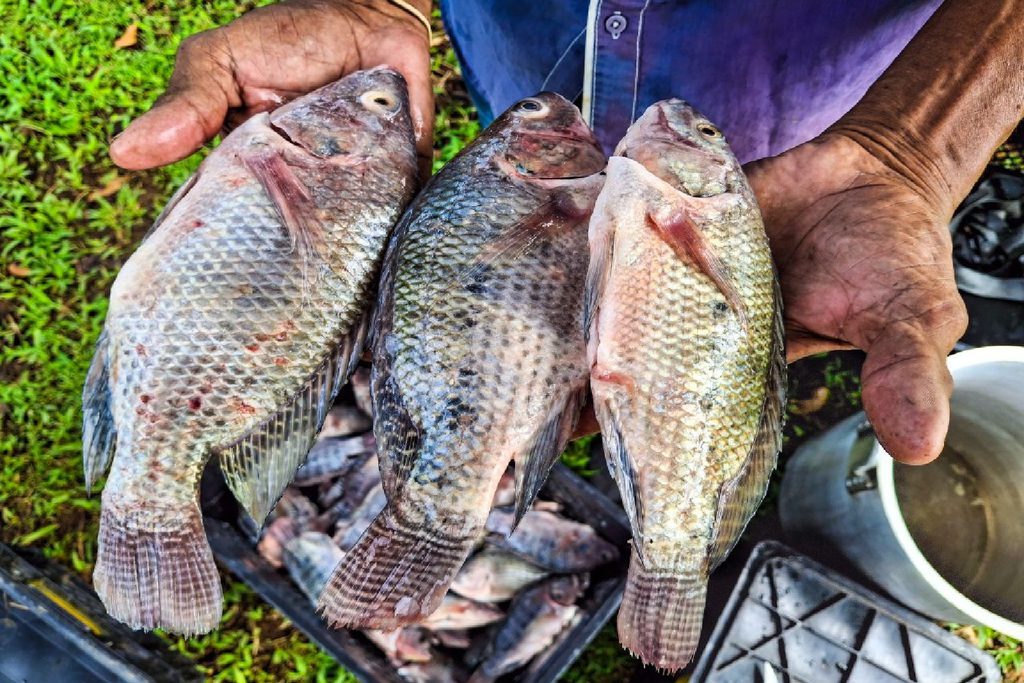
Research in Colombia aims to transform tilapia waste into human bone implants, offering a promising solution amid the growing medical need due to an aging population and increasing demand for bone injury treatments. Tilapia waste, accounting for up to 80% of the fish's weight, is currently discarded or used as animal feed, often causing pollution.
A team led by researcher Kelly Marcela Triana Jimenez, a chemical engineering PhD from the National University of Colombia (UNAL), extracted two components from tilapia waste - gelatin and hydroxyapatite - to create a structure resembling human bone. The process involved extracting gelatin from fish waste through thermal hydroextraction, followed by purification to remove impurities, and freeze-drying.
Hydroxyapatite was obtained from both bones and scales, simplifying the process. The gelatin and hydroxyapatite were then combined into a single material, which faced challenges as they do not blend well. To overcome this, the team used sodium alginate and glutaraldehyde to retain hydroxyapatite and bind the gelatin chains, creating a porous scaffold designed for temporary use.
The material's safety was tested on living cells, with results showing over 90% viability, indicating its potential as a safe implant material. However, further testing in animals and eventual human trials are required before the material can be used in medical applications.
Written by urgent.news from Colombia One's reporting — not their text. Machine-written — may contain errors; check the original before relying on it.