A Sumatran villager lost ground to the sea. So he planted mangroves
In a coastal village on the Indonesian island of Sumatra, an oil palm and pineapple grower named Harisyah is fighting rapid coastal erosion. The region’s northern coastline, which sits on carbon-rich tropical peat soils, is losing ground to the sea at a rate of more than 6 meters (20 feet) annually. Researchers attribute the retreat […]
In a coastal village on Indonesia's Sumatra island, a villager named Harisyah is battling rapid coastal erosion. The area's northern coastline, anchored on carbon-rich peat soils, is losing land to the sea at more than 6 meters per year. This decline is due to subsiding drained peatland and the removal of mangrove forests, which have been cleared for charcoal production, aquaculture, and oil palms.
After attending an aquaculture training course in 2011, Harisyah began his hands-on activism to restore mangrove forests. Over the next few years, he honed his skills in raising seedlings and organizing community volunteers. In 2018, when he became the head of Tanjung Kuras village, he initiated mangrove restoration efforts using local funds.
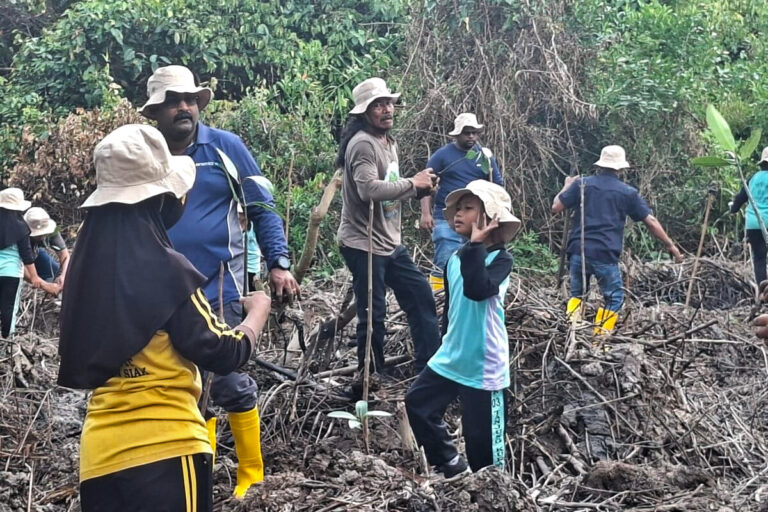
In 2024, after stepping down from office, he collaborated with local and international nonprofits to expand restoration in Tanjung Kuras, aiming to revive 25 hectares of degraded mangrove forest. A crucial aspect of Harisyah's current approach is engaging local youth to ensure the long-term care of the restored mangroves. One of the restoration sites is near an elementary school, where local children and residents joined him in planting seedlings along the riverbanks.
Harisyah emphasized that the younger generation, who will grow up surrounded by mangroves, can learn about them through play and activities. The replanting efforts highlight a shift from unmet national... This article originally appeared on Mongabay.
Written by urgent.news from Mongabay's reporting — not their text. Machine-written — may contain errors; check the original before relying on it.