Peripheral inflammation may drive brain damage in rare neurological disorder, finds NIMHANS study
The study demonstrated a clear association between inflammation in the peripheral immune system and neuroinflammation in patients with Progressive Supranuclear Palsy
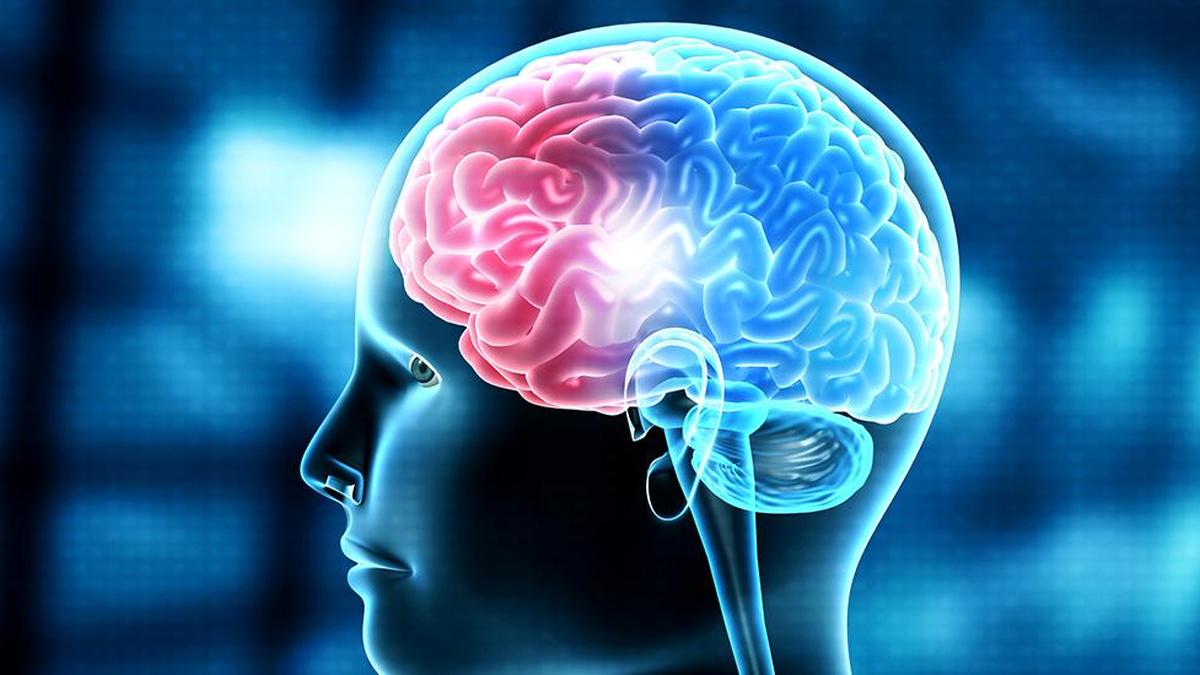
A recent study by researchers from NIMHANS has revealed that peripheral inflammation may contribute to brain inflammation and neurodegeneration in Progressive Supranuclear Palsy (PSP), a rare neurological disorder with no current disease-modifying treatment. The findings, published in Frontiers in Immunology, offer new insights into the development of the disease and the potential for identifying blood-based biomarkers for improved diagnosis and future therapies.
PSP, characterized by balance issues, difficulty with walking, speaking, and eye movements, is often misdiagnosed early due to its overlap with Parkinson's disease symptoms. While previous research suggested abnormal immune responses play a role in neurodegenerative diseases, the mechanisms linking systemic inflammation to brain pathology have been unclear.
Led by NIMHANS professor of human genetics Monojit Debnath, the study aimed to bridge this knowledge gap by examining inflammatory pathways within the central nervous system and the peripheral immune system. The researchers analyzed inflammatory markers in both blood and cerebrospinal fluid, along with PET-MRI imaging to assess brain inflammation.
The combined analysis showed a clear link between peripheral immune system inflammation and neuroinflammation in PSP patients. Dr. Debnath emphasized that identifying a reliable peripheral blood biomarker could aid in accurate diagnosis and guide therapeutic strategies. NIMHANS professor of neurology Ravi Yadav highlighted that understanding systemic inflammation's role in brain pathology could lead to more accurate diagnostic tools based on blood samples, reducing reliance on less accurate neurological investigations.
PSP is caused by nerve cell degeneration in movement and cognitive control brain regions and involves tau protein accumulation. Rogue immune cells are also suspected to contribute to this process, but the triggers for abnormal immune responses remain unknown. The study suggests that peripheral immune system inflammation may influence brain immune activity, contributing to neuronal damage and disease progression.
Further research involving larger patient groups is needed to validate the findings and explore potential therapies targeting identified inflammatory pathways.
Written by urgent.news from The Hindu - Sci-Tech's reporting — not their text. Machine-written — may contain errors; check the original before relying on it.
This story
This is one outlet's version. Read the fullest account.