Peripheral inflammation may drive brain damage in rare neurological disorder, finds NIMHANS study
Researchers identify link that could aid earlier diagnosis of Progressive Supranuclear Palsy
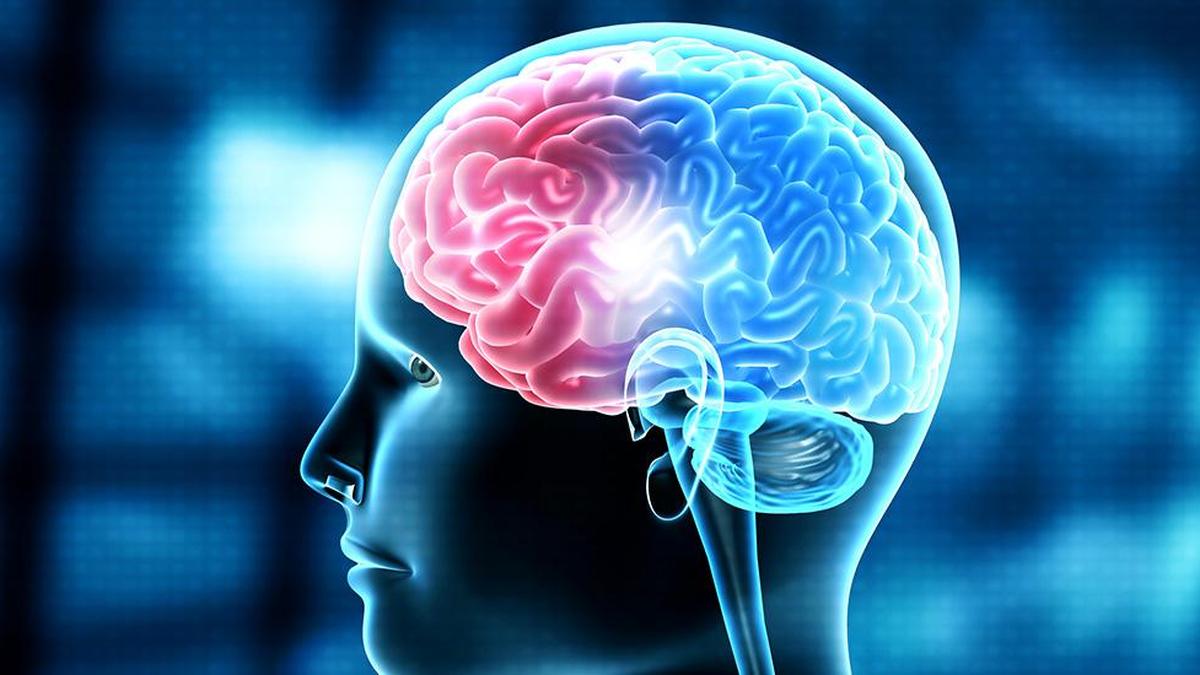
A recent study conducted by researchers at NIMHANS has revealed that peripheral inflammation may contribute to the onset of brain inflammation and neurodegeneration in Progressive Supranuclear Palsy (PSP), a rare neurological disorder lacking a disease-modifying treatment. Published in Frontiers in Immunology, the findings may pave the way for identifying blood-based biomarkers to improve diagnosis and potentially guide therapeutic strategies, researchers said.
PSP, marked by gait instability, swallowing and speech difficulties, and impaired eye movements, is often misdiagnosed at early stages in conjunction with Parkinson's disease. Although abnormal immune responses have been implicated in neurodegenerative diseases, the mechanisms linking inflammation outside the brain to brain pathology have remained unclear.
Led by NIMHANS professor Monojit Debnath, the study aimed to unravel these inflammatory pathways within the central nervous system and the peripheral immune system. Analyzing inflammatory markers in peripheral blood, cerebrospinal fluid, and employing PET-MRI imaging to assess brain inflammation, the researchers found a strong link between peripheral immune system inflammation and neuroinflammation in PSP patients.
Dr. Debnath highlighted the study as the first to establish a direct connection between peripheral inflammation and brain inflammation in Progressive Supranuclear Palsy patients. He emphasized the need for a reliable peripheral blood biomarker for accurate diagnosis of neurodegenerative diseases, including PSP. The findings suggest the immune system outside the brain may play an active role in the disease process, particularly in ongoing neurodegeneration.
The study's senior author, Prof. Ravi Yadav, noted that understanding the relationship between systemic inflammation and brain pathology could lead to simpler, more accurate diagnostic tools using blood samples, reducing dependence on less accurate neurological investigations. PSP, characterized by the degeneration of nerve cells controlling movement and cognition, involves the abnormal accumulation of tau protein.
While rogue immune cells are thought to contribute to this process, the factors triggering abnormal immune responses have been unknown. The researchers suggest that inflammatory changes in the peripheral immune system may influence brain immune activity, contributing to neuronal damage and disease progression. Further studies involving larger patient cohorts are needed to validate these findings and explore the potential of targeting inflammatory pathways for future PSP therapies.
Written by urgent.news from The Hindu's reporting — not their text. Machine-written — may contain errors; check the original before relying on it.