Our education must combine knowledge, values for 21st century learners – Prof. Davis
Professor Ernest Kofi Davis, the Director-General (D-G) of the Ghana Education Service (GES), has called for a deliberate shift towards an education system that combines knowledge, skills, attitudes, and values needed to empower young learners in the rapidly changing technological world.
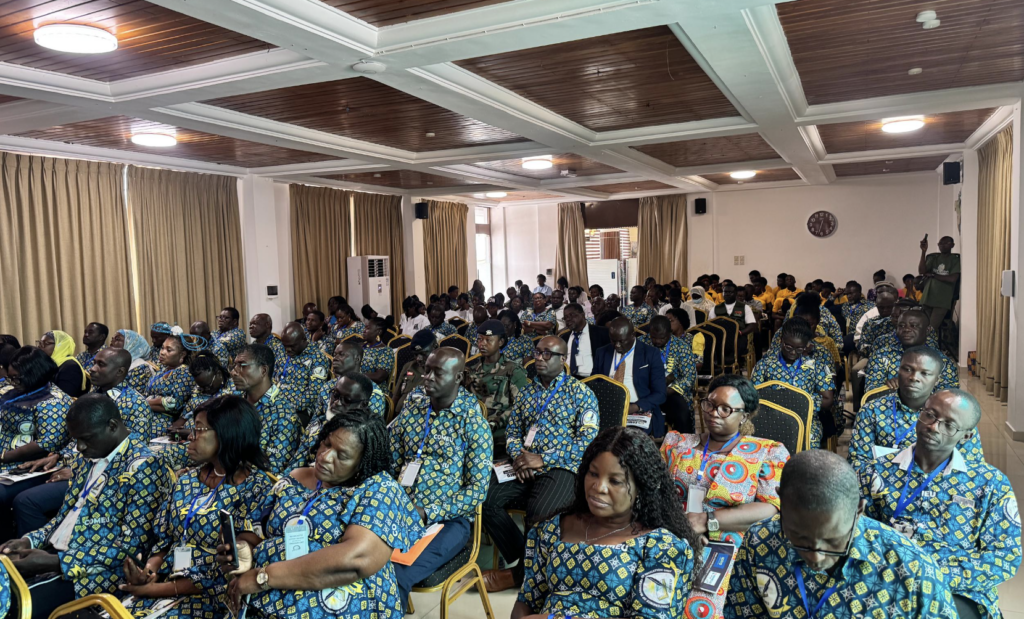
Professor Ernest Kofi Davis, Director-General of the Ghana Education Service, has urged a shift towards an education system that integrates knowledge, skills, attitudes, and values for the 21st century learner. He emphasized that education should aim to produce responsible citizens capable of utilizing their knowledge and skills for their own benefit and the advancement of society.
Speaking at the 52nd Annual Conference of the Conference of Managers of Education Units in Takoradi, Davis highlighted the crucial role faith-based institutions have played in Ghana's educational development. He noted that these institutions have established schools, trained teachers, and promoted values such as honesty, respect, empathy, service, and accountability.
However, Davis stressed that the evolving educational landscape, driven by technological factors including Artificial Intelligence (AI), social media, and globalisation, necessitates a reevaluation of how faith-based institutions prepare learners. While AI offers significant opportunities to enhance teaching, learning, and school administration, it also presents risks such as misinformation, inappropriate content, and harmful influences.
Davis warned that the influx of foreign culture in the name of modernity could lead to growing indiscipline among students and staff. He called for a balance between AI and Human Intelligence (HI), stressing that technological competence must be grounded in ethics and a strong values-based education. Davis further emphasized that shaping children's character extends beyond the classroom, as they are constantly influenced by their homes, communities, media, and social environment.
He called for stronger collaboration between government and faith-based education units to enhance teacher development, embrace innovation, protect children, and promote quality education with strong character. Professor Ebenezer Boakye, Pro Vice-Chancellor of Takoradi Technical University, added that possessing knowledge and technical skills without the right attitudes could undermine society's welfare.
He urged education managers to prioritize values such as discipline, integrity, diligence, respect, compassion, and service, adapting them to the realities of the 21st century. The Western Regional Minister, Joseph Nelson, highlighted the importance of faith-based education in Ghana's development and called for stronger collaboration among governments, faith-based organisations, teachers, parents, communities, and other stakeholders to prepare young people to be academically competent, morally grounded, technologically capable, and socially responsible.
Nelson concluded that the future of Ghana would hinge largely on the quality of education provided to the current generation.
Written by urgent.news from MyJoyOnline Ghana's reporting — not their text. Machine-written — may contain errors; check the original before relying on it.