No plea deal for Wontumi in GH¢30m EXIM Bank fraud case, Accra High Court orders trial
Plea bargain talks between Chairman Wontumi and the State have failed, and the Accra High Court has ordered his GH¢30m EXIM Bank fraud case to trial.
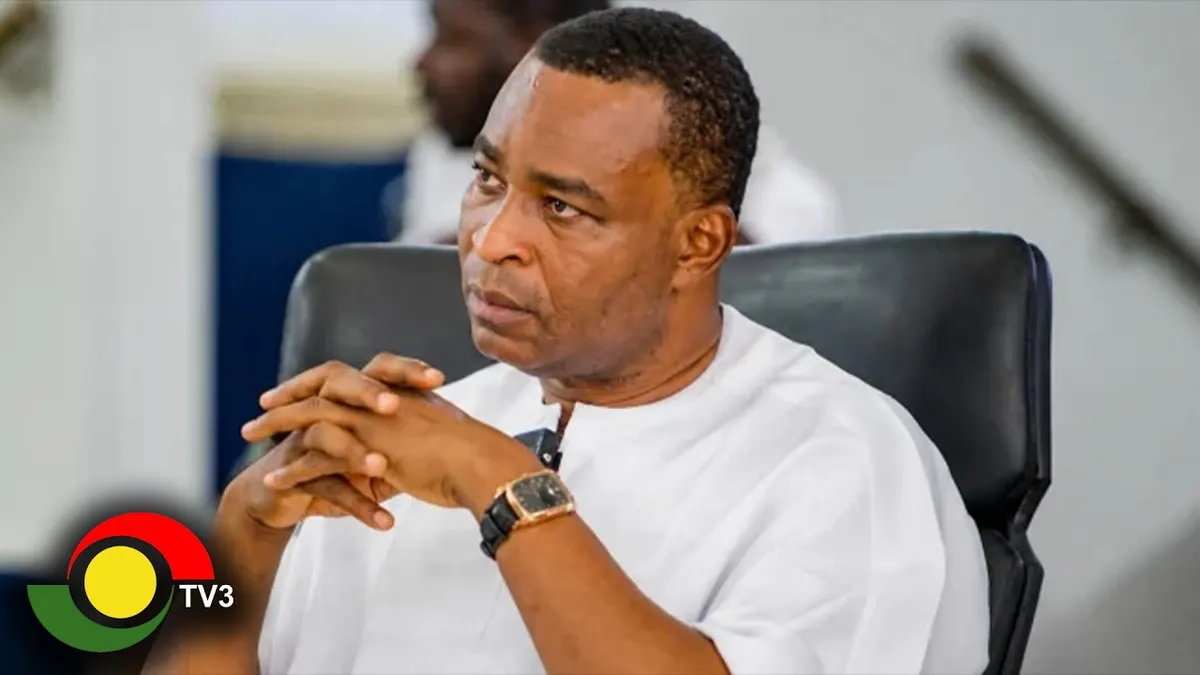
The Accra High Court has ruled that the case against Bernard Antwi-Boasiako, also known as Chairman Wontumi, involving a GH¢30 million alleged fraud at EXIM Bank will proceed to trial after plea negotiations fell through. The talks between the State and Wontumi's legal team lasted a month but ultimately failed as the government rejected a proposal from the defense.
No plea deal was reached, leading the court to order the prosecution to file disclosures within 14 days. Wontumi and two co-defendants are accused of defrauding by false pretenses, uttering a forged document, money laundering, and intentionally causing a public body to suffer a financial loss of GH¢30 million. The matter will be further discussed in a Case Management Conference on Tuesday, 22 September 2026, at 10:00 AM.
Written by urgent.news from 3News's reporting — not their text. Machine-written — may contain errors; check the original before relying on it.
This story
This is one outlet's version. Read the fullest account.
- Why did Allahabad High Court rule that wearing a headscarf is not an essential religious practice? | Explained thehindu.com
- High Court rejects bid to restrict Sri Thandayuthapani Temple membership freemalaysiatoday.com
- Calcutta High Court orders re-test for CAPF candidate rejected over ‘winged scapula’ indianexpress.com