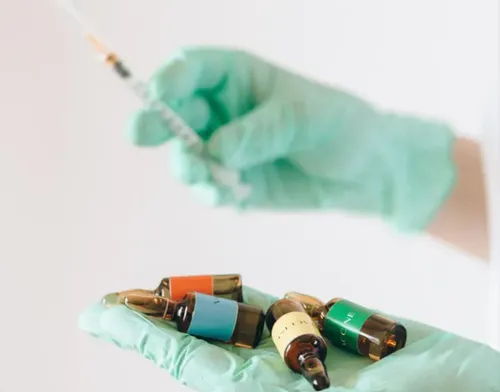
Let’s talk about HPV: 7 common questions answered
We want to have a conversation about human papillomavirus (HPV), starting with 7 questions about HPV people frequently ask our Cancer Research UK nurses. The post Let’s talk about HPV: 7 common questions answered appeared first on Cancer Research UK - Cancer News .
Cancer Research UK has answered seven common questions about HPV, a virus that affects many people but isn't often discussed. HPV is linked to cancer, but having it doesn't necessarily mean you'll develop cancer. It's a very common virus that most people will contract at some point in their lives without realizing it. HPV spreads through close skin-to-skin contact, often during sexual activity, but it can also be passed through other forms of intimate contact.
The virus has a dormant stage where it doesn't cause harm, which can sometimes lead to false beliefs about when someone contracted the virus. There's no cure for HPV, but most people's immune systems can clear the infection before it causes any damage. Cervical screening can detect high-risk strains of HPV that could lead to cell changes.
These strains account for only a small percentage of the total HPV types. HPV can be passed from mother to child during birth, but this is uncommon and usually resolves without issue. The vaccine is an important part of preventing HPV-related cancers.
Written by urgent.news from Cancer Research UK's reporting — not their text. Machine-written — may contain errors; check the original before relying on it.