James Webb Space Telescope observes 72 stars and finds planet formation is a race against time
Using the James Webb Space Telescope, astronomers have studied 72 young sun-like stars to discover that forming planets is a real race against time.
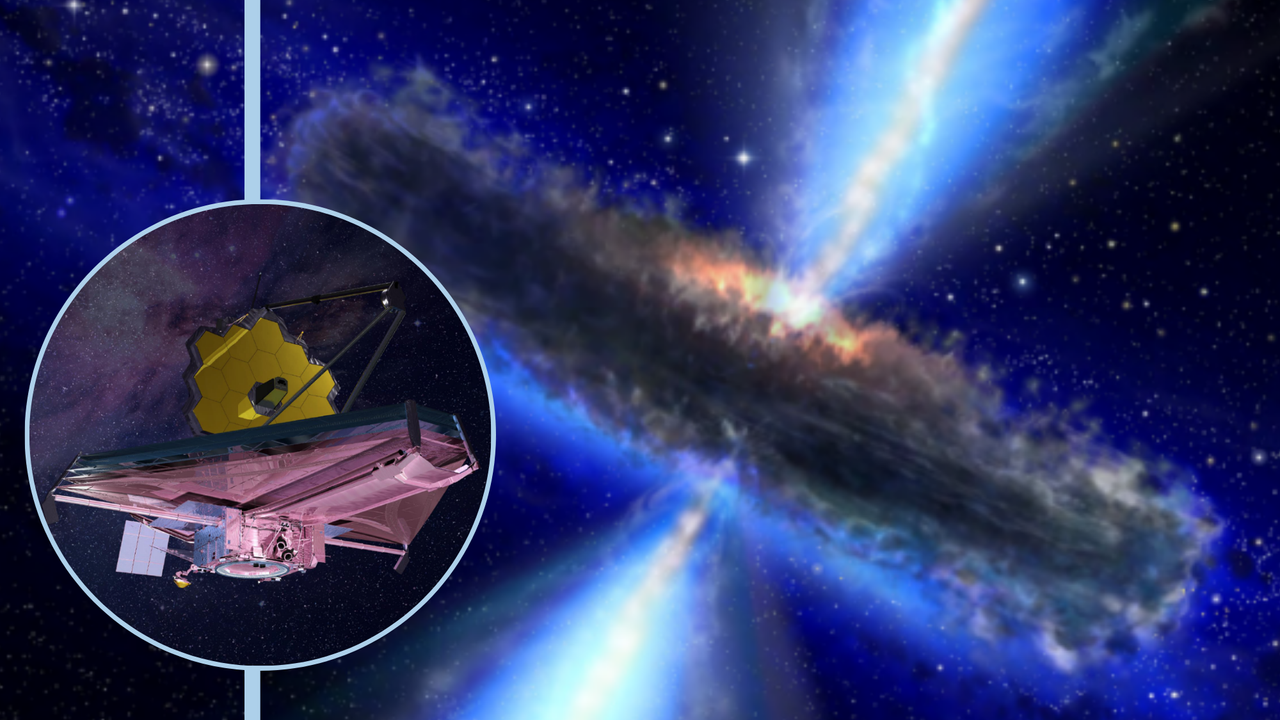
The James Webb Space Telescope (JWST) has uncovered a critical insight into planet formation, revealing that it's a race against time. By observing 72 young, sun-like stars using the JWST's Mid-Infrared Instrument (MIRI), astronomers discovered that the material forming planets, found in protoplanetary disks, is constantly escaping these gas and dust swirls. This escape rate varies among types of planets, suggesting different stages of planet formation are faced with closing windows.
The study, led by Naman Bajaj from the University of Arizona, highlights how matter loss from protoplanetary disks evolves as a star ages. It is found that gas giants like Jupiter, requiring more raw material than smaller rocky worlds, must form quickly before the disk's material is carried away by high winds and jets. The researchers also observed that earlier on, powerful magnetic jets and winds dominate mass loss, while later, as the disk thins and starlight penetrates more easily, these winds weaken.
Instead, high-energy radiation from the infant star causes photoevaporation, blowing gas into space.
In conclusion, the team's research emphasizes that there isn't a single process stripping planet-forming material from around young stars. It also demonstrates the JWST's ability to study individual infant stars' dispersal of gas and dust. Future research will focus on understanding how much material these different mechanisms displace and how rapidly planet formation is shut off in different disk regions. The findings were published in The Astronomical Journal on August 25.
Written by urgent.news from Space.com's reporting — not their text. Machine-written — may contain errors; check the original before relying on it.
Also reported by 1 other outlet
- NASA’s huge Nancy Grace Roman Space Telescope is about to launch newscientist.com