NASA’s huge Nancy Grace Roman Space Telescope is about to launch
The Nancy Grace Roman Space Telescope, which launches on 30 August, will observe space with the same detail as the Hubble Space Telescope, but over a much larger area
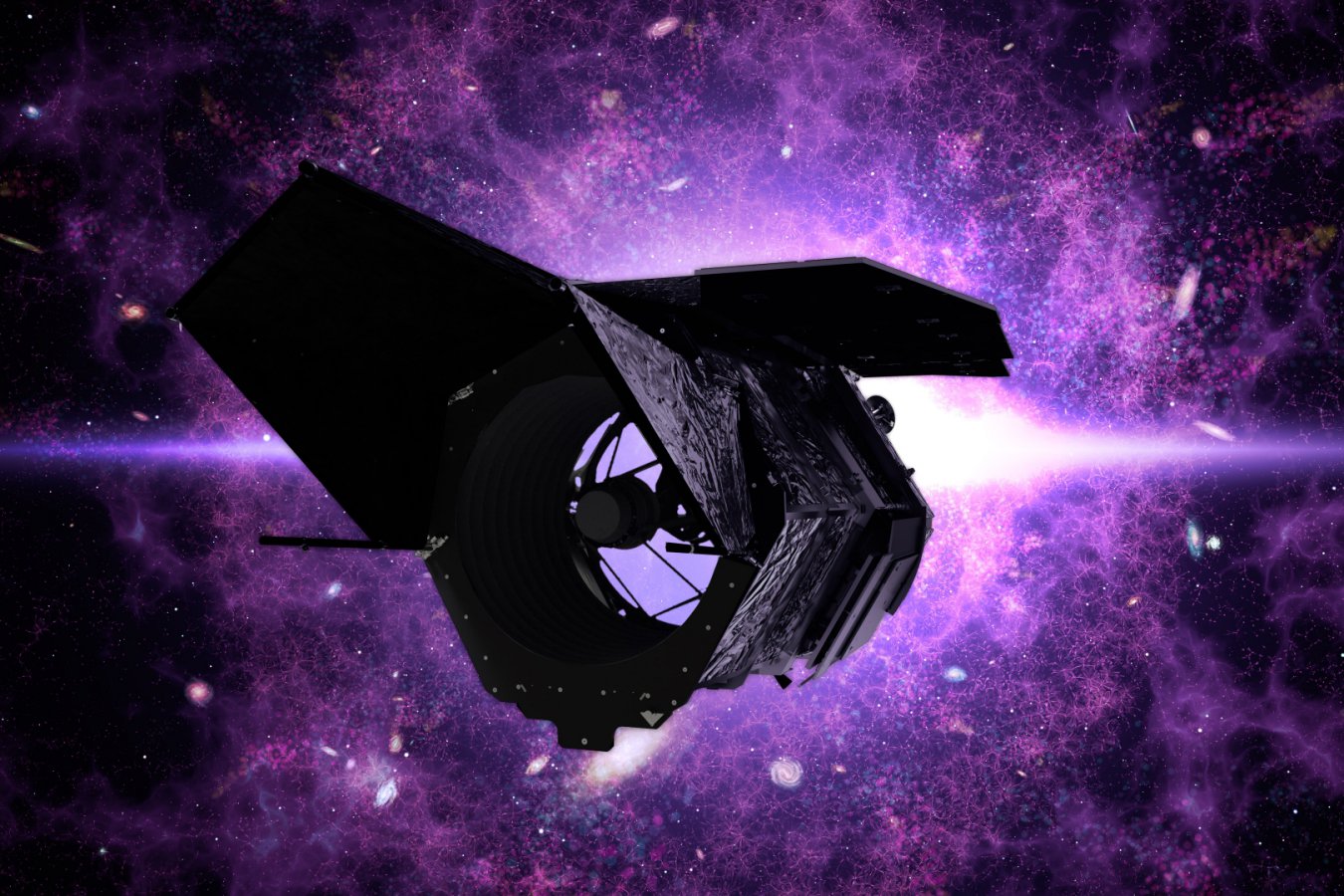
NASA's upcoming flagship space telescope, the Nancy Grace Roman Space Telescope, is on the verge of launch. Named after NASA's first chief of astronomy, the telescope is set to blast off from Cape Canaveral in Florida on August 30th. This new observatory will join forces with the James Webb Space Telescope (JWST) to study the universe in infrared-light wavelengths.
While JWST explores distant space with a small field of view, Roman will capture a much broader, shallower view, covering an area of sky equivalent to the full moon in each observation. With its Wide Field Instrument, Roman will create images with the same resolution as the Hubble Space Telescope, but over an area 100 times larger, making it 1,000 times faster at gathering data than Hubble.
The primary goal of Roman's mission is to measure the effects of dark matter and dark energy across the universe, providing crucial insights into its composition, development, and future. By observing approximately 12% of the sky during its five-year primary mission, Roman will unveil the universe as it was just 2 billion years after the big bang.
The telescope also features a coronagraph capable of directly imaging planets orbiting other stars, overcoming the limitations of existing space-based coronagraphs. This will pave the way for NASA's next flagship telescope, the Habitable Worlds Observatory, which aims to discover potentially habitable worlds. If the launch proceeds as planned, Roman will reach its final position at the L2 gravitationally stable point, about 1.5 million kilometers farther from the sun than Earth, in approximately a month.
After a three-month period of instrument testing and calibration, the first scientific observations are expected to commence in early 2027.
Written by urgent.news from New Scientist's reporting — not their text. Machine-written — may contain errors; check the original before relying on it.
This story
This is one outlet's version. Read the fullest account.