Costa Rica to require wildlife crossings for roads when they impact fauna
Costa Rican lawmakers unanimously voted to require wildlife crossings for new and existing road infrastructure when evidence shows the infrastructure interrupts natural connectivity and threatens wildlife safety. The measure, approved in August 2026, will help wildlife avoid being struck by cars while crossing roads and connect habitat, the regulation notes. Once signed into law by […]
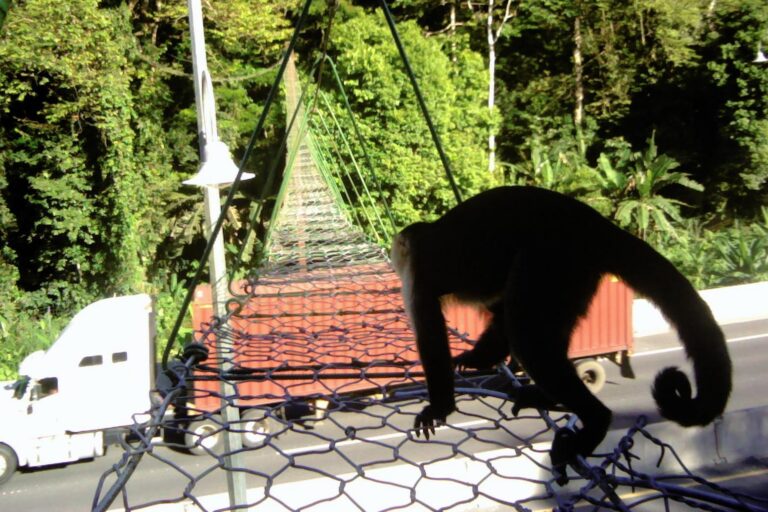
Costa Rican lawmakers have unanimously approved a new regulation that mandates wildlife crossings for both new and existing road infrastructure when such crossings are proven to disrupt natural wildlife connectivity and jeopardize animal safety. The measure, passed in August 2026, aims to safeguard wildlife from vehicle collisions and facilitate habitat connectivity.
Upon presidential approval, the regulation will necessitate the integration of wildlife crossings from the initial stages of new infrastructure development and budgeting.
The National Environmental Technical Secretariat will oversee the approval process, evaluating whether proposed plans are adequate and suitable before granting permission for new projects. Existing roads may also necessitate the installation of wildlife crossings if presented with sufficient evidence by the government. Rebecca Cliffe, the founder and director of the Costa Rica-based Sloth Conservation Foundation, informed Mongabay that anyone can contribute scientific data to demonstrate the need for a bridge.
Cliffe is currently spearheading a citizen science project to gather data from rescue centers and community reports in the South Caribbean, targeting areas in need of wildlife crossings.
Roads in Costa Rica are marked with vibrant yellow signs depicting wildlife such as sloths, tapirs, and coatis. However, a 2025 study from Brazil revealed that these signs have minimal impact on driver behavior. Cliffe pointed out that these signs constitute "greenwashing" in Costa Rica, as they fail to prompt drivers to slow down.
In contrast, wildlife crossings, which encompass bridges, culverts, tunnels, and ropes designed for arboreal species, have proven to be effective lifesavers. Beyond protecting animals, these crossings also contribute to maintaining ecological balance within the region.
Written by urgent.news from Mongabay's reporting — not their text. Machine-written — may contain errors; check the original before relying on it.