China and Nepal built an early warning system for melting glaciers in Himalayas. Does it work?
Chinese scientists have developed a cross-border early warning system with counterparts in Nepal to monitor Himalayan glacial lake outburst floods. The system has issued timely alerts over the past several years, effectively preventing casualties. But on Wednesday, a high-altitude ice-rock avalanche took everyone by surprise. The debris flow hit a river in Nepal, generating a devastating flash…
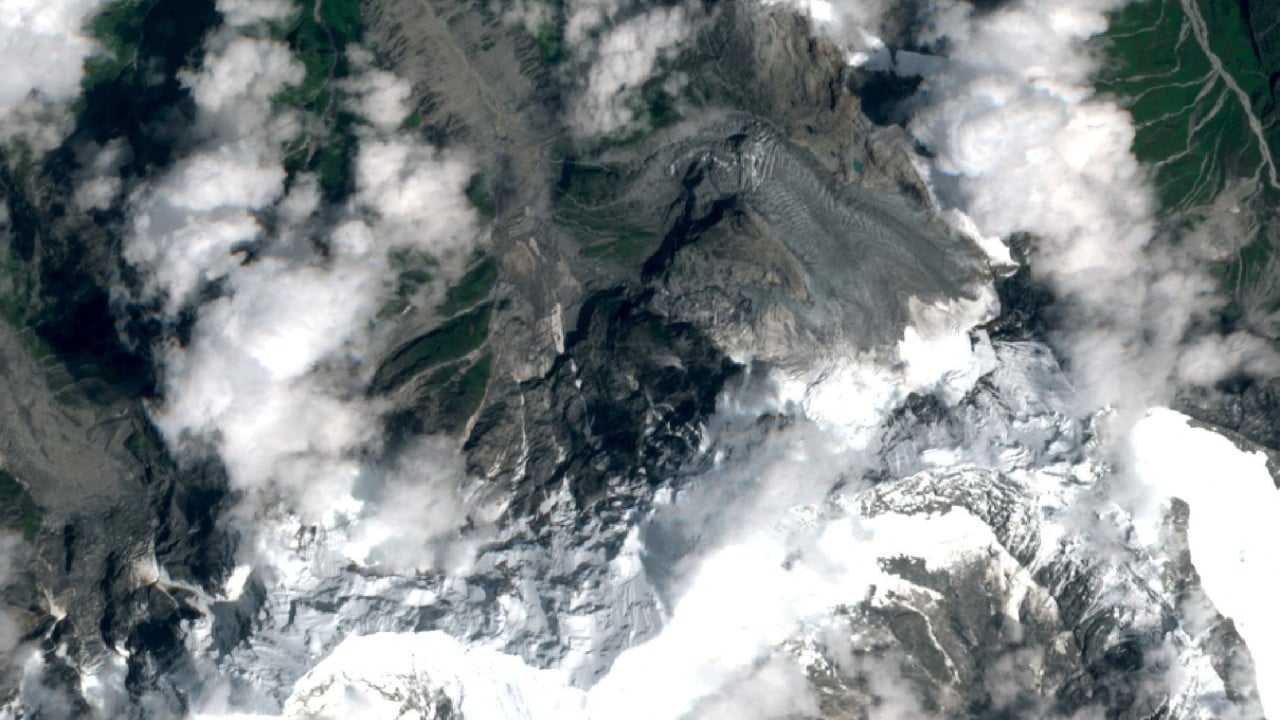
Chinese scientists and Nepalese counterparts have collaborated to create an early warning system to monitor the risk of glacial lake outburst floods in the Himalayas. This system has reportedly prevented casualties in the past, but on Wednesday, a high-altitude ice-rock avalanche caught everyone off guard. The debris flow caused a flash flood in Nepal, leading to a devastating impact that reached as far as Gyirong county in China’s Tibet region.
As of Thursday afternoon, the death toll stood at nearly 300, with over 1,000 people reported missing.
Whilst experts are uncertain whether the early warning system detected an anomaly before the disaster, the fact remains that the system was in operation. On Wednesday, a paper from the project team was published in the Journal of Glaciology and Geocryology, which highlighted the system's successes, including seven early warnings issued, including one last year at the China-Nepal border.
Glaciologist and mountain hazards expert both voiced concerns about the challenges of early warning systems along transnational terrain. They noted that high-altitude ice-rock avalanches release enormous energy and are far more destructive than typical glacial lake outburst floods. The Tibetan Plateau and surrounding areas are home to over 100,000 glaciers, which are melting rapidly due to rising global temperatures.
This trend has led to an increase in the frequency of glacial lake outburst floods. In 1981, a glacial lake burst on the China-Nepal border destroyed the China-Nepal Friendship Bridge, resulting in over 200 deaths. From 2011 to 2020, there were over 15 such floods per year, three times the rate from 1981 to 1990.
Written by urgent.news from South China Morning Post's reporting — not their text. Machine-written — may contain errors; check the original before relying on it.