Hawaii pilot whale found with 35,543 pieces of plastic in its stomach
Discarded fishing nets and plastic bags are wreaking havoc on marine ecosystems in the Pacific. A comprehensive thirteen-year study revealed that pilot whales have ingested alarming amounts of synthetic debris. Researchers found thousands of plastic fragments lodged within the stomachs of the examined whales. Such plastic pollution brings grave long-term health risks to these mammals,…
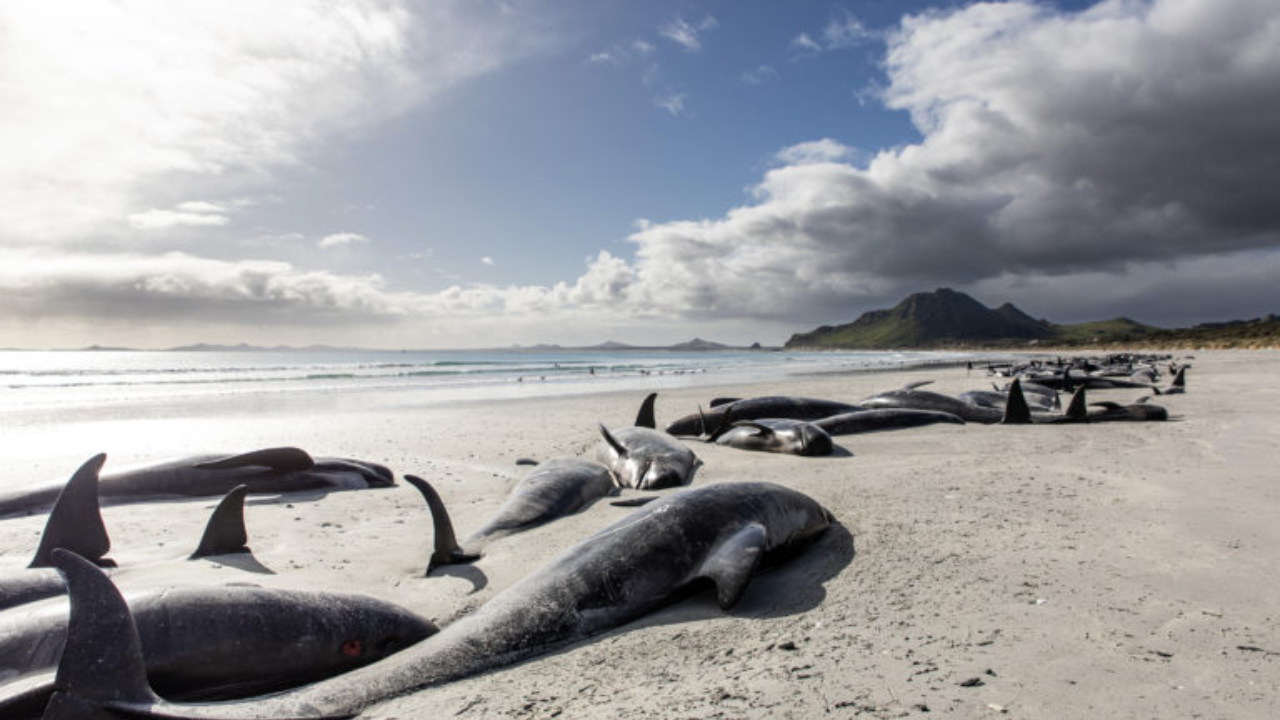
A pilot whale discovered off the Hawaiian coast harbored an astonishing 35,543 pieces of plastic debris inside its stomach, according to a new study. Plastic waste, including discarded fishing lines, ropes, and bags, has become a pervasive threat to marine life in the Pacific, with deep-diving whales ingesting thousands of microplastic particles in Hawaiian waters.
A comprehensive 13-year examination of stranded short-finned pilot whales around the main Hawaiian Islands revealed that nearly 23% of the examined animals had ingested synthetic waste. Researchers from the Health and Stranding Lab at the University of Hawaiʻi at Mānoa discovered that three adult males had each consumed up to 12 pounds (5.4 kilograms) of ocean debris.
The study, published in Marine Pollution Bulletin, sheds light on the extent of plastic pollution entering the digestive systems of deep-sea predators. The presence of human-made materials in the whales' stomachs underscores the urgent need to prevent plastic waste from entering the ocean and highlights the importance of addressing the issue of plastic pollution.
Most of the plastic in the whales' stomachs originated from abandoned, lost, or discarded fishing gear, with strong monofilament fishing lines, synthetic ropes, and pieces of fishing nets being the most common materials recovered. Although small pieces of plastic were more prevalent than larger objects, items longer than 8 inches accounted for over 70% of the total weight of the plastic found in the three whales.
Despite the large quantities of plastic, the whales were in normal physical condition before stranding. However, the study warns that the ingestion of such vast amounts of plastic can lead to long-term nutritional stress and potential health risks, such as weakened immune systems and exposure to harmful chemicals absorbed by the plastic.
The findings emphasize the need for stronger international efforts to tackle discarded fishing gear and single-use plastics before the situation further harms marine ecosystems.
Written by urgent.news from Times of India's reporting — not their text. Machine-written — may contain errors; check the original before relying on it.